
City Council mulls regulations on private use of license plate readers
With neighborhoods expressing interest in installing cameras on their streets, city leaders will await legal analysis and other information before weighing in.
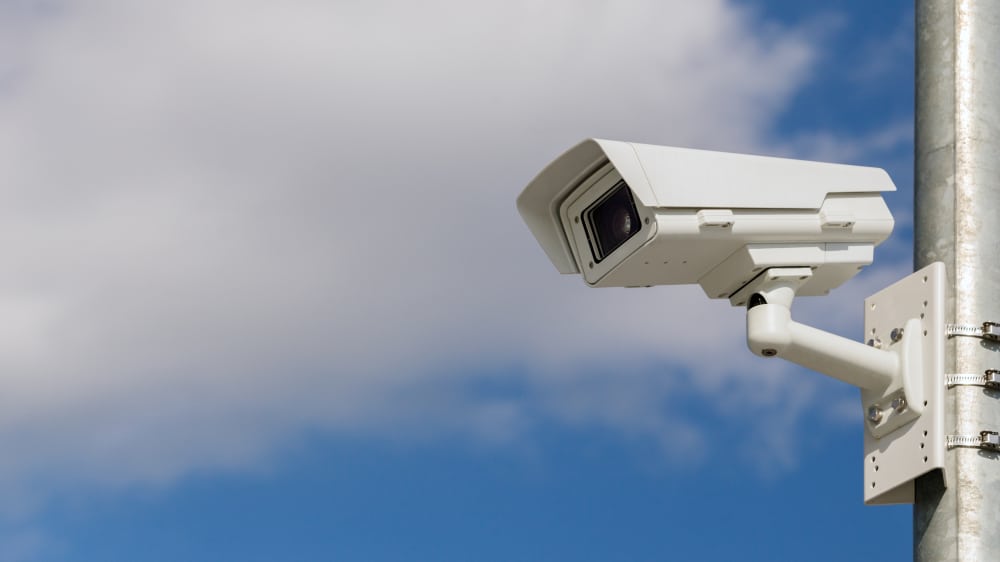
During Thursday’s regular meeting, the Palm Springs City Council elected not to take any action on the private use of automated license plate readers, preferring to wait for more legal analysis from the city attorney and answers from Flock Safety, the company behind the cameras in question.
Following city approval of installing Flock automated license plate readers in public, neighborhoods and homeowners associations have expressed interest in installing the cameras on their streets. The cameras can record license plates, vehicle colors, and other features to aid in the identification of vehicles involved in suspected crimes.
Local reporting and journalism you can count on.
Subscribe to The Palm Springs Post
One neighborhood has already acquired two cameras and is awaiting the City Council’s decision before installing them because they would encroach on city property.
When the Council voted to approve the Palm Springs Police Department’s use of the cameras in October, councilmembers directed city staff to investigate the possibility of regulating the use of the cameras by private entities.
PSPD said that if a neighborhood wants to buy and place cameras that encroach on city property, the City Council could make it a rule that the neighborhood must give PSPD sole access to the cameras.
The city attorney has yet to identify any cities that currently regulate the operation of security cameras on private property, including cameras that encroach on public property.
Councilmember Lisa Middleton supported creating a pilot program for neighborhoods interested in setting up the cameras that encroach on public land, as long as the police are the sole recipient of the data from the cameras and no one in the neighborhood has access to the information. However, she said if the cameras are on private property, it’s up to the owner to decide.
Councilmember Christy Holstege had concerns with the proliferation of cameras throughout the city.
“I’ve had neighbors tracking my movements and emailing the city attorney when my nanny is coming and going with my child,” she said, highlighting one of many privacy concerns with the cameras.
Councilmember Grace Garner, who voted against implementing the cameras city-wide in October, expressed strong opposition.
“It’s one thing to have cameras at the entrance to the city, which I also didn’t support,” said Garner. “But it’s another to have a small group of citizens who can find out who’s coming and going and how often.”
Garner said the information is inappropriate and can be missed in several ways. She also worried that some community members may not be fully informed about using cameras in the neighborhoods.
“I’m very concerned that this is a topic that is not getting the broad attention that it deserves for the public to actually weigh in on in a way that is meaningful to them.”
When asked whether HOA members could search for specific license plates, PSPD Lt. William Hutchinson said he was unsure and would contact a Flock Safety representative for the answer.
Mayor Pro Tem Ron deHarte was absent from Thursday evening’s meeting. For that reason, as well as the need for answers from Flock, city leaders decided to continue the discussion on an unspecified date.
Author

Related Articles
City leaders, public thank retiring city manager and fire chief, list their accomplishments
Council members and residents praised Scott Stiles and Paul Alvarado Wednesday for storm response and public service. Both men gave the credit to their staffs and the community.

Temporary dog park approved for Victoria Park; Demuth Park project progressing
Parks commissioners backed a pop-up pilot with Blue Zones Palm Springs that will open Dec. 11 and run through about the end of January, with a resident survey to gauge interest in a permanent site.
This week at City Hall: Planning Commission to weigh delivery hub; City Council postpones underground utility hearings
A proposed warehouse on 19th Avenue, a pop-up dog park and a canceled public hearing on a nearly $10.1 million utility project top meeting agendas this week.