
Airport Commission backs parking system overhaul amid cost, operational questions
Commissioners cite aging system and customer experience gains, while raising concerns about costs, staffing impacts and how parking reservations would work during peak demand
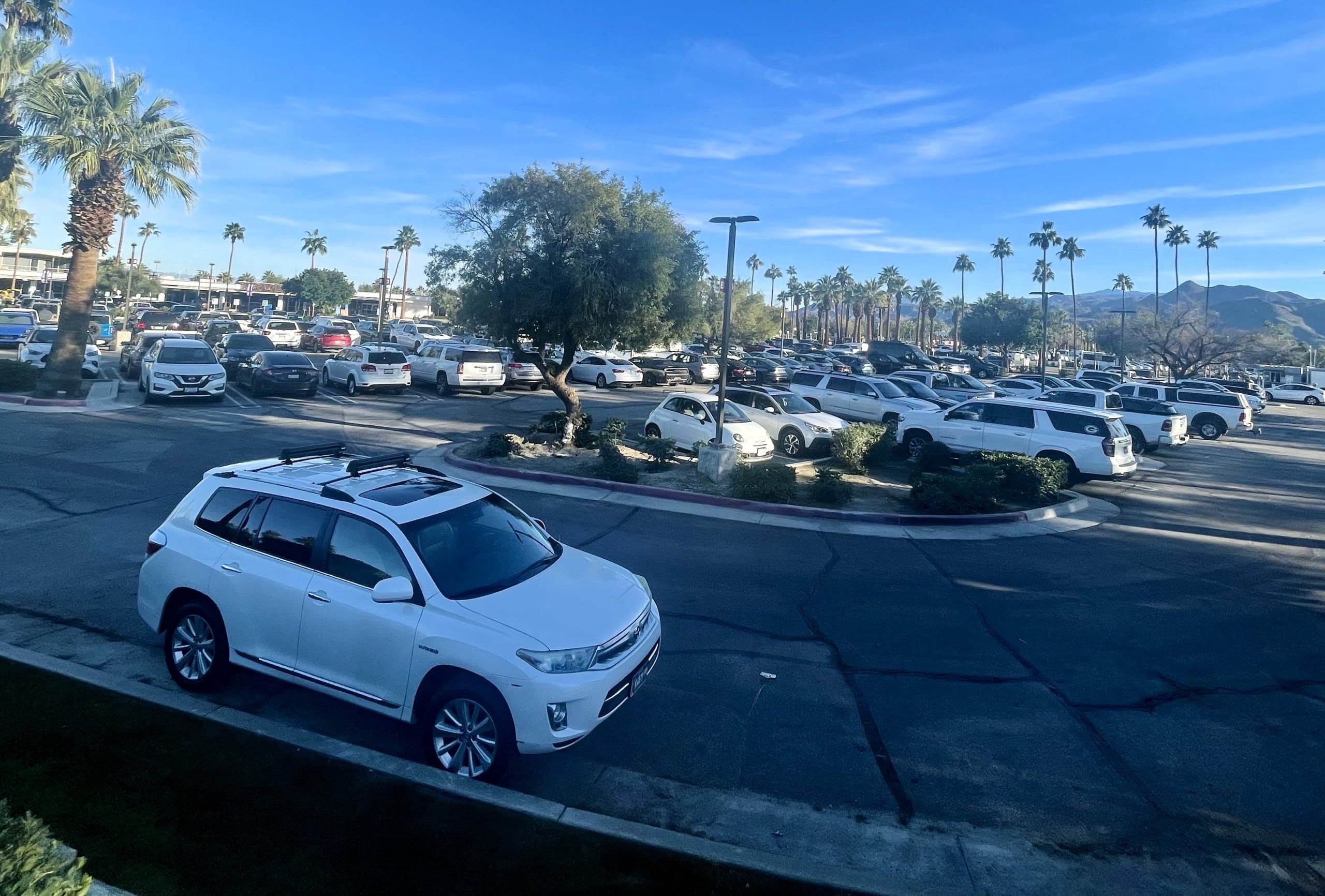
The Palm Springs Airport Commission voted Wednesday to recommend a roughly $695,000 parking system upgrade to the City Council, advancing a proposal aimed at replacing aging equipment while raising questions about cost, operations and customer impact.
The proposal includes a $651,918 contract for a new parking access and revenue control system and a $43,780 contract for an online reservation platform, both over five years.
Local reporting and journalism you can count on.
Subscribe to The Palm Springs Post
Airport staff said the current parking system has reached the end of its useful life and is experiencing increasing failures, describing it as outdated and difficult to maintain.
Parking is one of the airport’s largest revenue sources, generating about $7 million annually, and officials said modernization is needed as passenger traffic continues to grow.
The proposed system would introduce new features including license plate recognition, mobile payment options and an online reservation system that allows travelers to prepay for parking and enter and exit more quickly.
Staff and the vendor said the upgrade is intended to improve traffic flow, reduce congestion at entry and exit points, and provide more data to better manage pricing and demand.
Commissioners, however, raised concerns about the financial justification for the project, noting that a clear cost-benefit analysis had not been presented.
“I just want to know … are we saving?” one commissioner said, questioning whether the system would reduce per-transaction costs or simply improve convenience.
Staff acknowledged the project is primarily a capital investment focused on improving customer experience rather than generating immediate cost savings, though some efficiencies — such as reduced maintenance and lower-cost materials—are expected.
Questions also emerged about potential job impacts, with commissioners noting that similar systems at other airports have reduced the need for on-site cashiers.
Airport staff said no immediate job reductions are planned, though future parking management contracts could shift staffing models, potentially replacing fixed cashier roles with roaming customer service positions.
The proposed reservation system drew additional scrutiny, particularly around how the airport would guarantee parking availability during peak travel periods when lots are often full.
Commissioners noted that without clear policies, travelers who prepay could still face difficulty finding a space.
Staff said the reservation system does not need to be implemented immediately, giving the airport time to develop procedures and potentially designate specific lots or spaces for reservations.
Despite the concerns, several commissioners emphasized that the upgrade represents a necessary replacement of aging infrastructure and a step toward aligning the airport with modern industry standards.
The commission ultimately voted to recommend approval of the contracts to the City Council, with one dissenting vote and one abstention.
If approved by the council, installation of the new system is expected to take place within a few months.
Author

Related Articles
Palm Springs airport official details emergency prep gains as new earthquake study surfaces
A multi-agency training exercise and new disaster supplies were discussed Wednesday, days after a study found rising seismic stress near a Southern California fault junction.
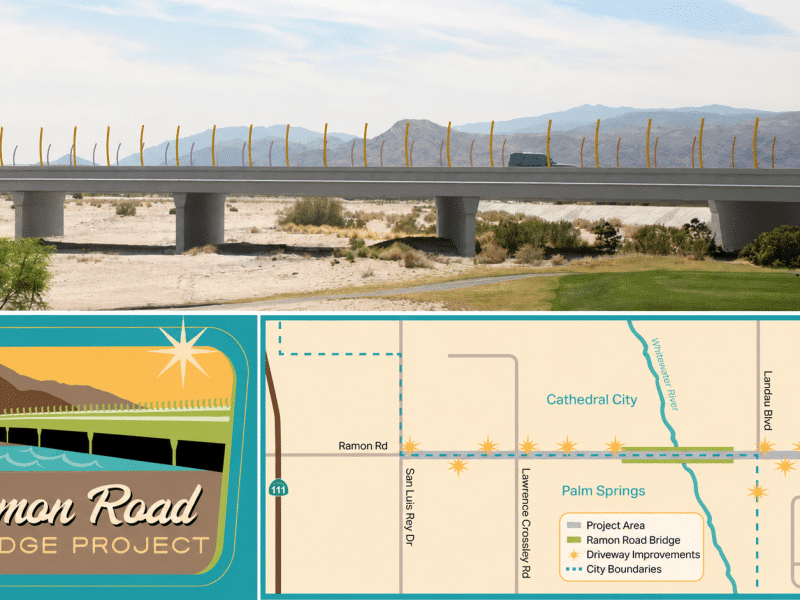
Ramon Road Bridge Project set to break ground this fall
Palm Springs, Cathedral City and the Agua Caliente Band of Cahuilla Indians are partnering on a two-year effort to widen and retrofit a heavily traveled Coachella Valley crossing.
Guide Dogs of the Desert board chairman to step down amid leadership restructuring
The organization elevated its executive director to CEO and hired a new operations chief, while its board chair cited health and a long-planned retirement as his reason for stepping down.