
AIDS Memorial switching from glass to aluminum for durability, enhanced reflection
Heat testing during summer conditions showed the aluminum remained touchable while glass became too hot to touch, according to artist Phillip K. Smith.
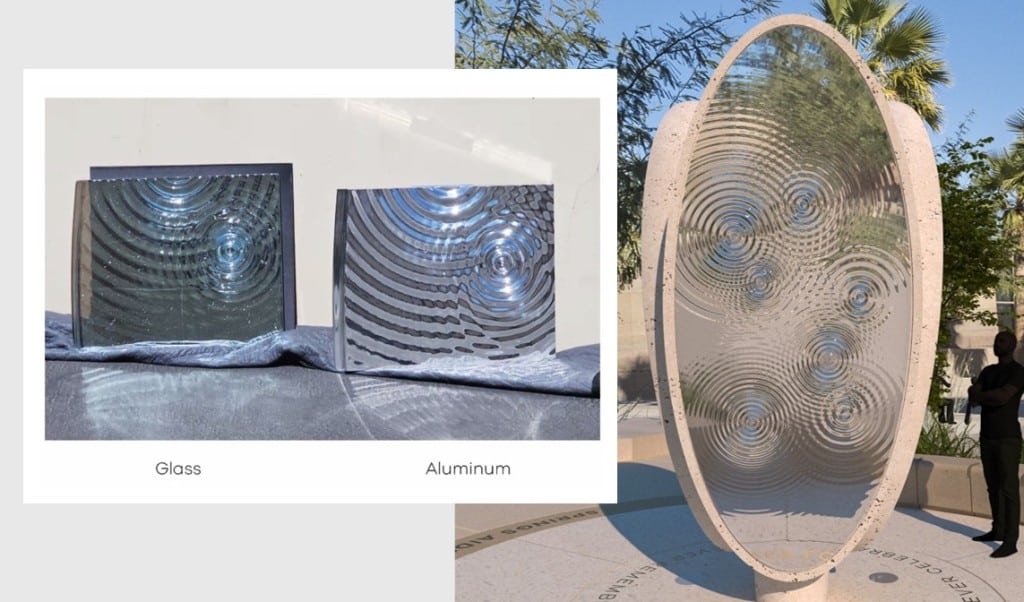
Palm Springs artist Philip K. Smith presented material changes to the city’s AIDS Memorial project at the Nov. 6 Public Arts Commission meeting, replacing the originally planned glass elements with mirror-polished aluminum for superior visual quality and durability.
The change affects the vertical oval “pools of tears” elements that will be embedded in the memorial’s stone surface. Smith said testing revealed that mirror-polished aluminum proved “absolutely jaw dropping beautiful” compared to glass samples, which lost their reflective quality at a distance.
Local reporting and journalism you can count on.
Subscribe to The Palm Springs Post
“The glass had depth when you were right up next to it, but as soon as you started to step away, it sort of began to lose some of its kind of reflective quality and almost a little bit muddled,” Smith said. “The reflective surface of the aluminum is really showing the true colors of the desert.”
The aluminum elements offer several practical advantages beyond aesthetics. Each oval will weigh 300 pounds instead of 5,000 pounds for glass versions, eliminating the need for stainless steel frames. Smith said the aluminum can withstand potential vandalism better than glass and can be re-polished if damaged.
“I don’t know about all of you, but as we get deeper and deeper into the current political vibe, I started to get more and more nervous about the glass,” Smith said. “It just takes one guy and a hammer.”
Heat testing during summer conditions showed the aluminum remained touchable while glass became too hot to touch, according to Smith. The vertical orientation of the ovals means they will never face direct sun exposure at their worst angle.
Commission Chair Gary Armstrong emphasized that the material change does not alter the memorial’s design, meaning or intended audience. “What’s evolved are the subtleties, the way the work will live in the world, how it will hold light and memory,” Armstrong said. “These are refinements, not revisions.”
The commission did not vote on the changes, as Armstrong explained the presentation was about process rather than approval. “Art doesn’t stop when a design is approved, it continues to breathe and evolve as the artist shapes it into reality,” Armstrong said.
A ceremonial groundbreaking for the memorial is scheduled for Dec. 1 at 11 a.m. at the Downtown Park Amphitheater, directly across from the museum. The event will coincide with World AIDS Day and will feature a scale model of the memorial placed in its future installation location. Attendees will have the opportunity to meet the memorial task force and hear from Smith.
The project remains short of its full fundraising goal, with donations being accepted online at psaidsmemorial.org or in person at the Dec. 1 event. Smith said the memorial is anticipated to be installed in spring 2026.
Authors


Related Articles

5th annual Pride on the Page festival returning to Palm Springs, free to all
The Palm Springs Public Library Foundation says the daylong celebration of LGBTQ+ authors will mark its anniversary with a free evening reception for the first time.
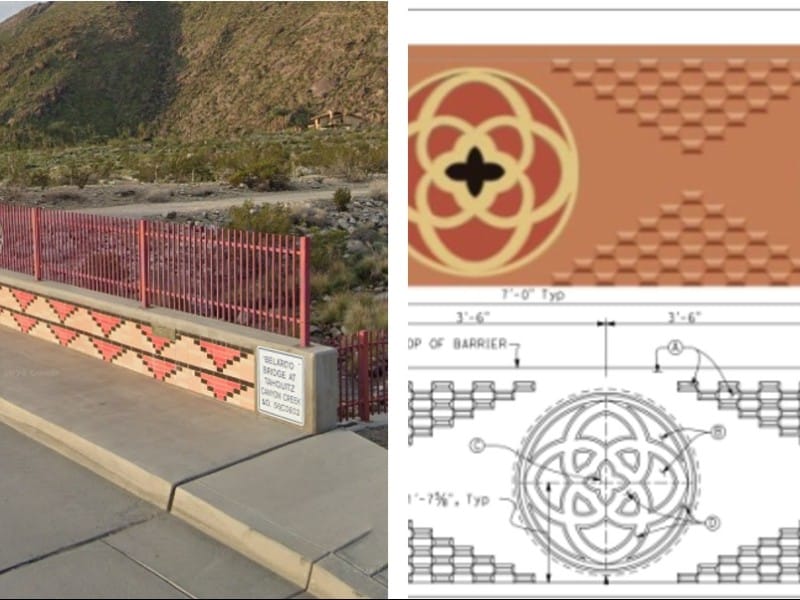
Public Arts Commission advances East Palm Canyon Bridge design, eyes buildings for citywide mural program
Commissioners also weighed where to relocate a sculpture removed from the airport, with the convention center and City Council Chambers among the options discussed.

Palm Springs ShortFest names 2026 award winners
“Fruit” took the festival’s top prize as jurors handed out $30,000 in cash awards across dozens of categories at the Hilton Palm Springs.