
Commission hears update on plan that aims to map and fix the worst shade gaps across Palm Springs
Consultants are tracking down which neighborhood parks, school routes, and transit stops are leaving vulnerable residents exposed so the city can prioritize where to build cooling infrastructure next.
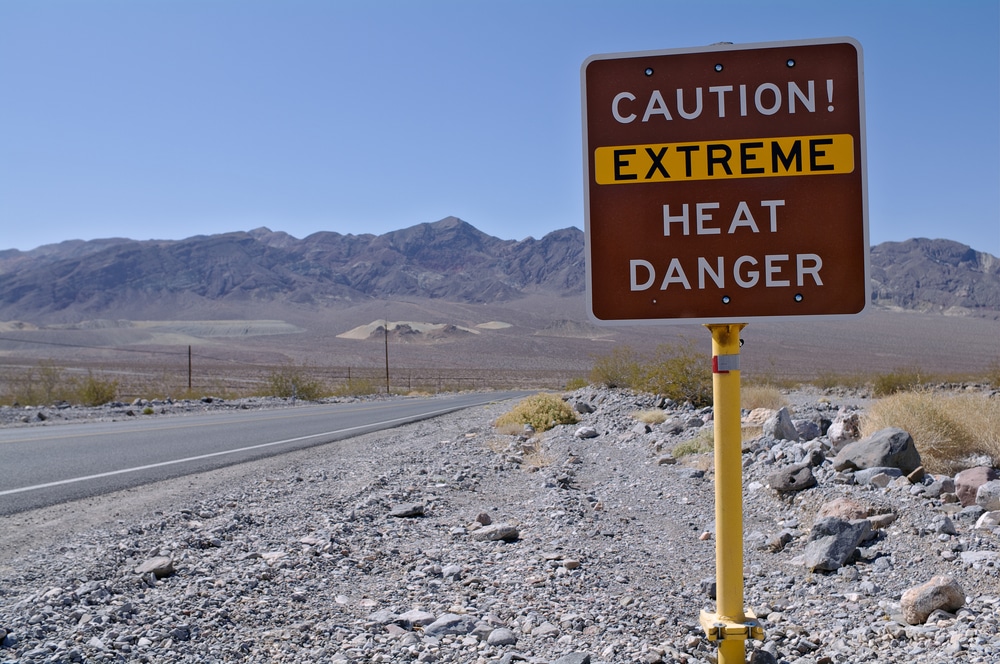
A $400,000 state grant is funding a new effort to identify and fix missing shade at Palm Springs bus stops, parks, and bike lanes. Project consultants recently wrapped up a citywide tour to map out the worst heat traps, focusing primarily on areas that leave vulnerable and year-round residents exposed to summer temperatures.
Sustainability Specialist Thomas Crowley told the Sustainability Commission on Tuesday that the plan aims to identify strategies for adaptive infrastructure and resilient communities, reduce greenhouse gas emissions and focus on underserved and vulnerable populations in the Coachella Valley.
Local reporting and journalism you can count on.
Subscribe to The Palm Springs Post
So far, the consultants have completed a literature review of city planning documents, including the Palm Springs General Plan, the Palm Springs Pedestrian Plan and in May they joined representatives from different city departments on a tour of the city.
The term “vulnerable resident” generally refers to people most exposed to extreme heat or least able to avoid it, including year-round residents, seniors, low-income residents, unhoused people, outdoor workers, and those who depend on walking, biking or public transit. The tour included the James O. Jessie Desert Highland Unity Center, the Desert Highland Gateway Estates neighborhood, the CV Link, schools, several city parks, and bus stops.
“In several places, transit stops have shade, they have cover, people can be protected, but then in lots of places around town, we don’t,” he said, adding that shade also varies block by block depending on if the land is owned by the city or by the tribe.
In downtown Palm Springs, Crowley said the consultants praised the city’s use of movable furniture at Downtown Park, which lets people relocate seating into the shade, as well as the newly reopened splash pad. While newer, taller downtown buildings provide some natural shade for pedestrians, including near Tahquitz and South Palm Canyon, bench shade coverage is inconsistent elsewhere downtown.
Commissioner Michael Frick asked whether the city could plant trees to shade sections of CV Link and other bike paths the consultants identified, “They’re looking at where elements can go and what type of elements would be appropriate, and that’ll come really more in the strategy portion,” Crowley said.
Part of the work is also deciding between trees and shade structures, “It would seem to me that in many cases you might want to do a structure because the tree is going to take water,” one commissioner asked.
Sustainability Director Jasmine Fields said decisions between shade trees and structures would come during the strategy phase of the project, and would be decided on a case-by-case basis, “What’s the best option for the organization to maintain it? What’s the funding sources that we have for the structures? That will all be in a matrix for us to be able to select projects when the plan is done,” she explained.
Frick also asked whether the project connects to past tree-planting grant work by former sustainability specialist Christian Wheeler, who had mapped existing trees and potential planting sites. “We will definitely pull it back up, and then bring it alongside, and make sure we’ll validate which grants were fully applied for,” Crowley said.
Commissioner Prema Walker suggested holding one or two community engagement sessions this summer to reach year-round residents before seasonal visitors return, saying that population bears the brunt of extreme heat. Crowley said regardless of when the engagement sessions are held, “The focus really is on our vulnerable and underserved populations.”
Formal community engagement is planned to begin in the fall through the Engage Palm Springs platform, and the project is expected to run through June 2027.
Author

Related Articles
City to host listening sessions on heat and shade mitigation plan this fall
The $400,000 state-funded plan will target vulnerable residents who walk, bike or take transit amid rising heat-related illness.
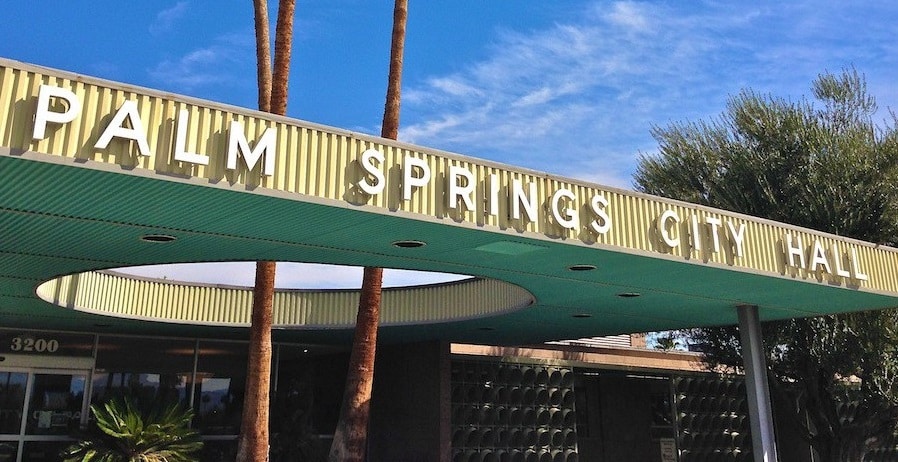
Sustainability Commission moves to dissolve ad hoc subcommittees after wave of resignations
The city’s new sustainability director said the commission’s three standing subcommittees and six separate ad hoc subcommittees were redundant and poorly attended after several recent commissioner resignations.
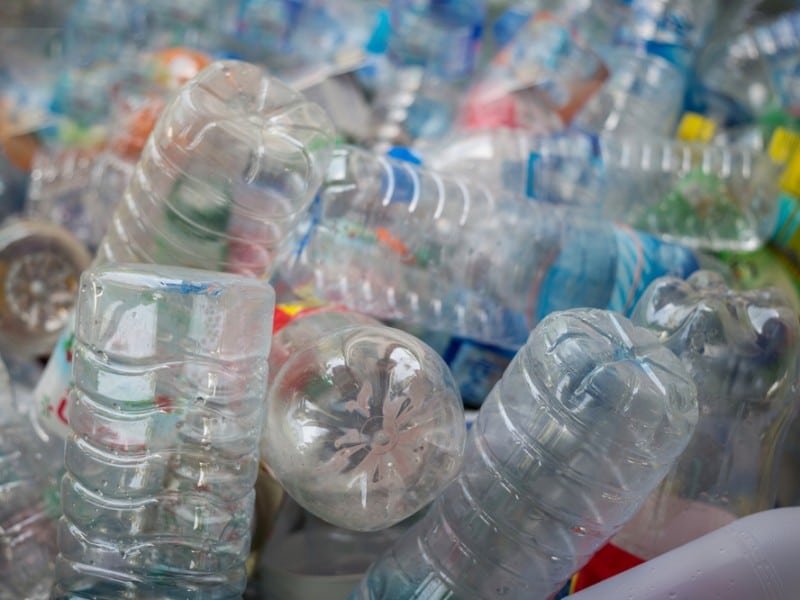
Sustainability subcommittee presses ahead on curbing single-use plastic water bottles at events
Members of the subcommittee dealing with waste reduction plan to speak with about plastic bottle waste to organizers of large community gatherings.