
Ahead of public meeting next week, city releases consultant’s study on Section 14 history
Key findings in the 116-page report made available Friday evening reveal decades of displacement campaigns, involving multiple agencies, according to the city.
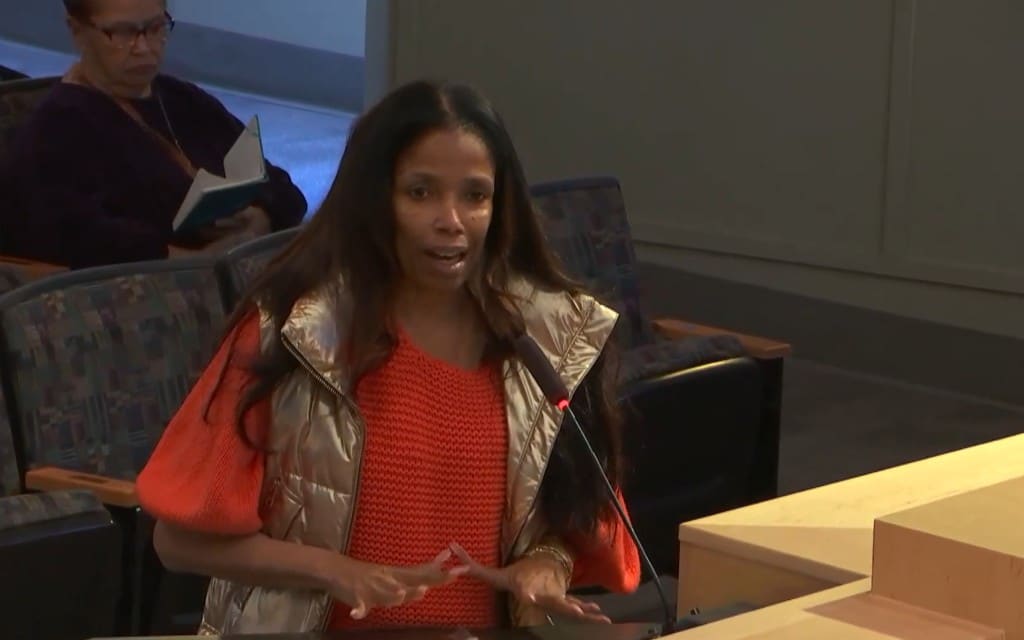
The City of Palm Springs released key findings from a detailed historical context study on Section 14 Friday evening, shedding light on the displacement of residents during the mid-20th century. The study, conducted by Architectural Resources Group (ARG), is intended to provide crucial insights into the socio-political, economic, and cultural forces that shaped the neighborhood as a public hearing ont he matter looms next week.
“The city of Palm Springs hired an expert in historical context studies to focus on the facts surrounding Section 14,” Mayor Jeffrey Bernstein stated in a news release issued to the media. “It is important to the City Council that we share the full report in order to be transparent with our community.”
Local reporting and journalism you can count on.
Subscribe to The Palm Springs Post
The 116-page study — which you can read here — reveals five major displacement campaigns from 1936 to 1966, involving multiple government agencies. The first abatements began in 1936, led by the State and the Bureau of Indian Affairs (BIA), before Palm Springs was incorporated.
The city became directly involved in 1948, the study states, assuming management and funding in 1950. Subsequent campaigns were conducted in partnership with various entities, including the BIA, State of California, Riverside County, and the Agua Caliente Tribal Council.
People of color faced limited housing options due to restrictive covenants and discriminatory practices. The study notes that African American residents, in particular, were prohibited from living in many parts of Palm Springs due to institutionalized racism.
“Restrictive housing covenants on deeds, discriminatory lending practices, and the refusal from most realtors, developers, and landlords to sell or rent housing to people of color meant that people of color had few housing options beyond Section 14, and were disproportionately subject to eviction,” the report states.
The exact number of displaced residents remains unclear due to poor recordkeeping. Estimates range from 1,500 to 6,000 people residing in Section 14 during various periods.
Racial composition of Section 14 varied, with significant populations of White, Black, and Latino residents. The 1950 census recorded 1,650 White residents (including most Latinos), 549 Black residents, and smaller numbers of other ethnicities.
The study reveals that some evictions were legally carried out, while others failed to follow proper procedures. In some cases, the city demolished or burned dwellings before the required 30-day notice period had ended.
Personal property protection efforts were minimal, with many accounts of belongings destroyed during demolitions. The city’s procedures for protecting personal property were not known to have been put in writing until January 1967, after approximately 200 structures had already been demolished.
At least 235 structures were razed in the 1965-1966 campaign alone, based on city abatement records. Previous campaigns also saw significant demolitions, with at least 100 structures razed in the 1961-1962 campaign.
The City Council plans to discuss Section 14 during a public hearing on Thursday, Nov. 14. An agenda for that hearing is expected to be released Monday evening. On Thursday, councilmember heard from multiple members of the Section 14 Survivors organization, as well as their attorney, prior to a lengthy closed session to discuss a proposed reparations agreement.
Author

Related Articles
Palm Springs council incumbents maintain commanding leads as vote counting continues
Grace Garner and Ron deHarte remain far ahead of their challengers, while a Palm Springs Unified school board race remains close and Democrats lead in key congressional and Assembly contests.

Waste subcommittee favors promoting reusable bottles over a ban
Members of the Sustainability Commission’s panel on waste reduction also discussed a short-term rental “resource smart” badge as they resumed work after not meeting since June.

Election Day is Tuesday: What Palm Springs voters need to know
Voting locations are open from 7 a.m. to 8 p.m. Local contests include City Council, healthcare district and school board seats, with eligibility determined by where you live.