
Palm Springs Parks and Recreation Commission voices approval for draft 10-year parks master plan
The plan discussed Monday evening outlines strategies to enhance park accessibility, expand trails, improve climate resilience, and increase community engagement.
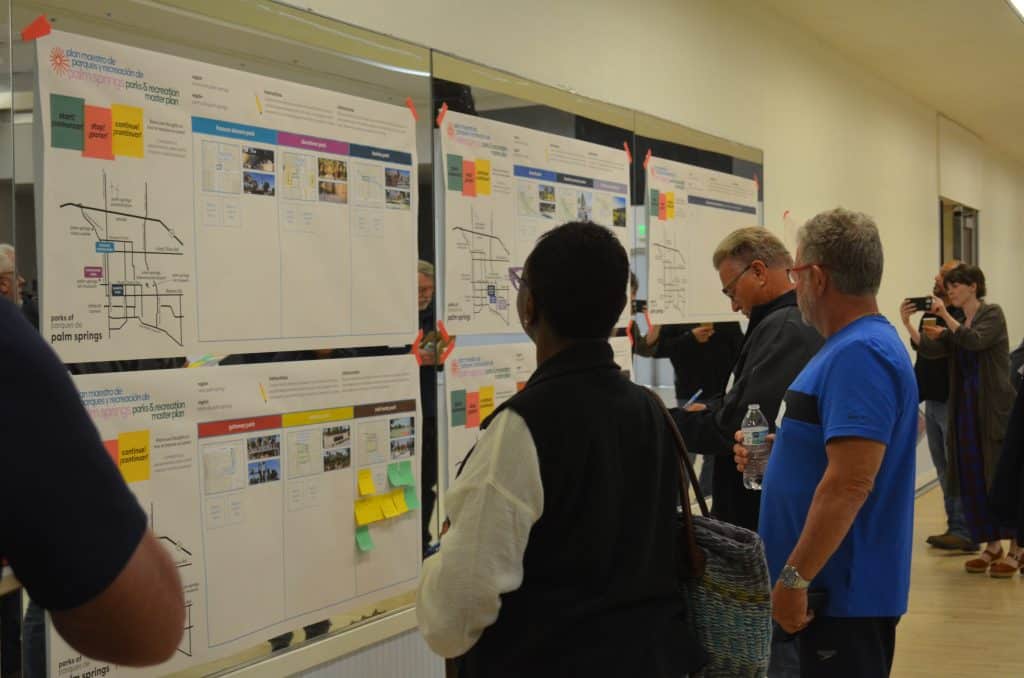
The Palm Springs Parks and Recreation Commission approved the draft of a comprehensive 10-year master plan Monday night, setting the stage for what could be significant improvements to the city’s park system.
The plan is yet to be complete, but its framework was discussed by a consultant during the commission’s regular monthly meeting (the slideshow is here starting on page 64). It outlines strategies to enhance park accessibility, expand trails, improve climate resilience, and increase community engagement through improved communication and diverse programming.
Local reporting and journalism you can count on.
Subscribe to The Palm Springs Post
“We want to lead a process through which we hear from everyone, not just once, but at every step of the process,” the consultant said, emphasizing the plan’s focus on community input.
Key themes of the plan will include communicating park experiences, connecting people and places, and keeping parks cool amid climate change. Proposed actions range from establishing wayfinding systems and creating marketing plans to celebrating diverse cultures within parks.
One significant goal is to address park “deserts” by ensuring all residents are within a 10-minute walk of a park. Currently, only 34% of Palm Springs residents have such access.
Implementation strategies include “act now” items for quick wins and longer-term incremental actions.
Interim Parks and Recreation Director Lauri Aylaian suggested presenting the plan to the City Council in two parts.
“The first would be that the City Council approves the 10-year master plan,” Aylaian said. “But then the second part is that they approve the plan for year one and any resources, whether it’s money or people.”
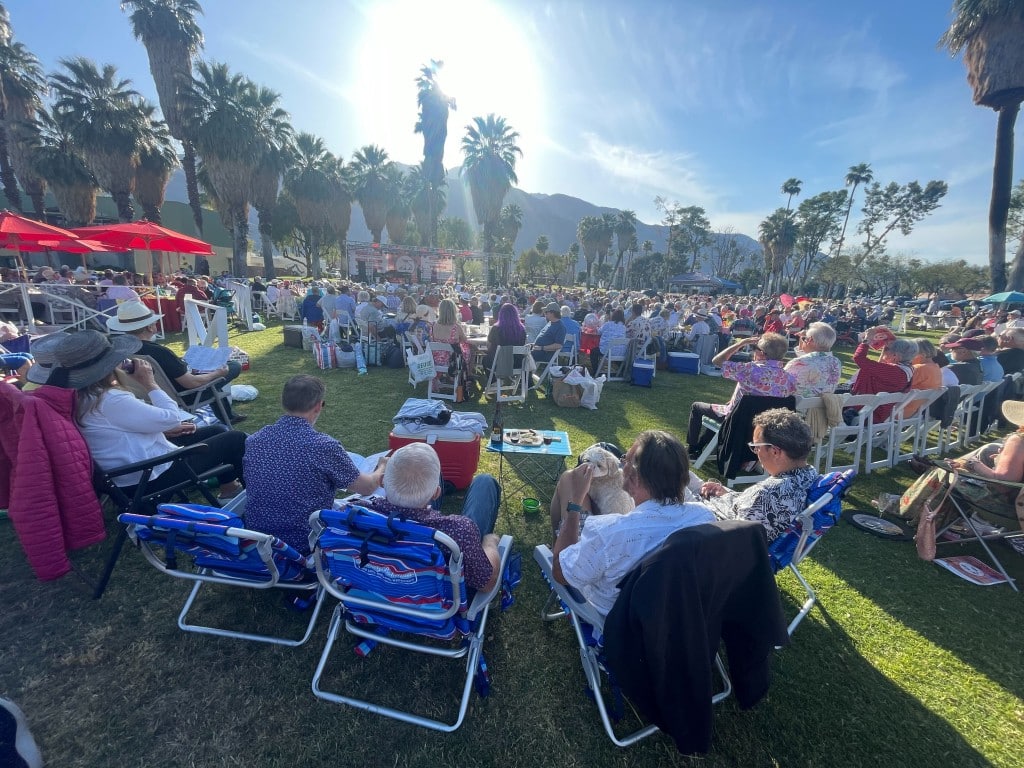
Aylaian also proposed annual reviews with the City Council to track progress and secure resources for plan execution. “We need to step up to make it tangible year by year,” she said.
The plan development involved extensive community engagement and analysis of current park system conditions. It addresses various aspects of park management, including maintenance, safety, and funding.
One goal focuses on increasing the parks department’s cost recovery percentage, which is currently below industry standards. Actions include setting new goals and establishing dynamic pricing strategies.
Climate resilience features prominently in the plan, with actions aimed at adding shade, cooling features, and water-wise landscaping across the system.
“This is about climate resilience and ecological health and it’s about building in more and more sustainable practices and infrastructure across the parks and keeping it cool,” the consultant explained.
Commissioners expressed enthusiasm for the plan’s comprehensive approach, calling it an “excellent presentation, very thorough and comprehensive.”
Commissioner Jody Diaz highlighted the importance of celebrating diverse cultures and encouraging use of all city parks.
“I think it’s important to encourage people to use all of our parks because we know that a lot of the events that we have are mostly taking place at one park,” Diaz said.
The commission unanimously approved the rough draft, subject to further refinements. The final plan is expected to be presented to the City Council in January 2025.
The incoming parks and recreation director, Nick Gonzalez, is expected to play a key role in implementing the plan when he starts Dec. 9.
Author

Related Articles
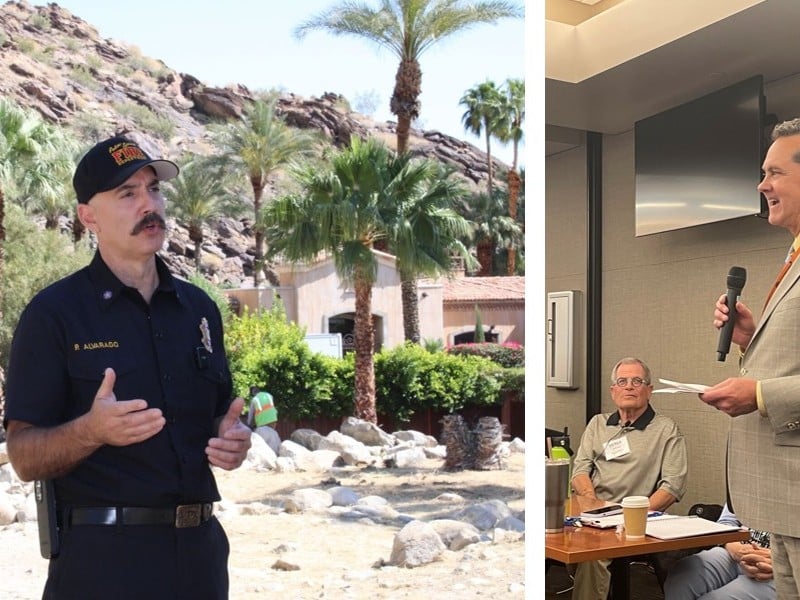
City leaders, public thank retiring city manager and fire chief, list their accomplishments
Council members and residents praised Scott Stiles and Paul Alvarado Wednesday for storm response and public service. Both men gave the credit to their staffs and the community.

Temporary dog park approved for Victoria Park; Demuth Park project progressing
Parks commissioners backed a pop-up pilot with Blue Zones Palm Springs that will open Dec. 11 and run through about the end of January, with a resident survey to gauge interest in a permanent site.
This week at City Hall: Planning Commission to weigh delivery hub; City Council postpones underground utility hearings
A proposed warehouse on 19th Avenue, a pop-up dog park and a canceled public hearing on a nearly $10.1 million utility project top meeting agendas this week.