
Documents show how tensions escalated during Section 14 reparations discussions between attorneys
Letters exchanged between an attorney representing former Section 14 residents and the city show disagreement over immediate financial compensation versus a comprehensive review process.
Correspondence released by the city Monday—available for viewing here—shows how the debate over reparations for the city’s role in the destruction of property in Section 14 reached a critical juncture. Attorneys on both sides engaged in increasingly sharp exchanges in letters dating back to July 2023.
On July 13, Areva Martin, representing former residents of Section 14 and their descendants, sent a detailed letter to Palm Springs City Attorney Jeffrey Ballinger. Martin expressed her clients’ deep frustration with the city’s inaction on reparations despite earlier commitments to address the grievances.
Local reporting and journalism you can count on.
Subscribe to The Palm Springs Post
Martin highlighted a critical July 11 meeting where the city seemingly backtracked on using its own Human Rights Commission’s report as a framework for settlement discussions. The report acknowledges the city’s past wrongdoings, but concerns have been raised about its accuracy and possible use of plagiarized information.
Correspondence from Martin shows that after the report was dismissed by Ballinger as a basis for negotiations, her clients were significantly dismayed. She argued that ignoring this report contradicts the city’s previous public stances and could severely impact its defense should the case go to trial.
Ballinger responded on July 14, clarifying the city’s position and the decisions’ complexity. He argued that while the Human Rights Commission’s findings are valuable, they are insufficient alone to direct the distribution of substantial public funds as reparations.
He highlighted the city’s procedural prudence, suggesting that the claims for reparations require a comprehensive review process that aligns with the city’s fiduciary responsibilities to its taxpayers.
Ballinger advocated for a more collaborative approach, involving all stakeholders, to find a fair and sustainable resolution. His response suggested a clear difference in perspective on the immediacy and methodology of addressing the reparations compared to Martin’s urgency for direct action.
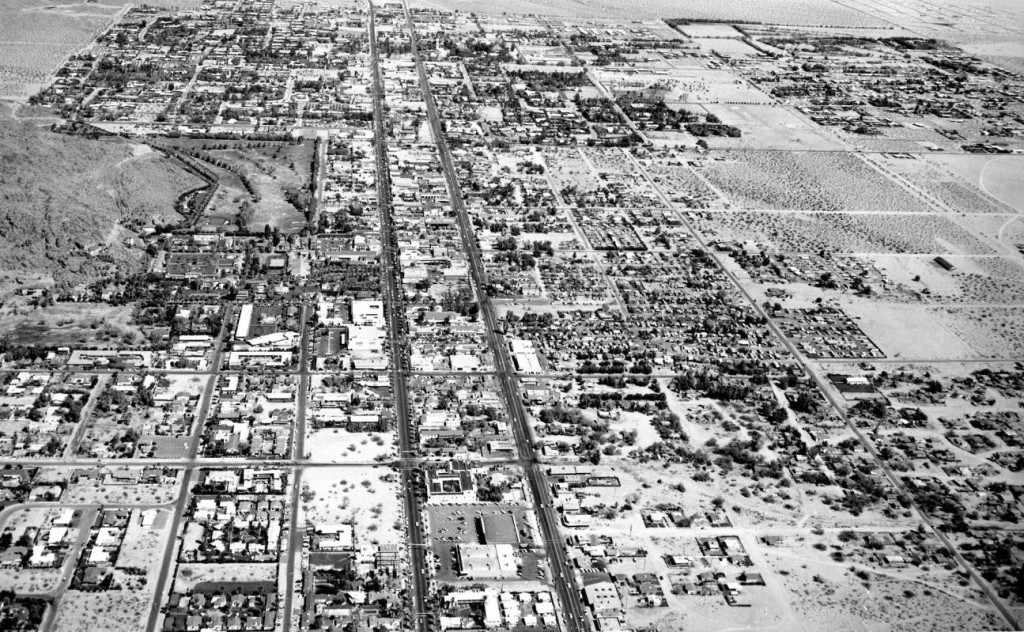
The core of the dispute lies in the events dating back to the 1960s when the city of Palm Springs sanctioned the clearance of Section 14, a majority minority neighborhood, resulting in widespread displacement and property loss. The area’s redevelopment was racially and economically motivated, Martin said, as it was designed to transform the neighborhood at the expense of its residents.
Furthermore, the attorney said the events at Section 14 left enduring scars on the community, prompting demands for justice and compensation decades later.
The letters show both parties agreed on the need for reparations but differed sharply on how to proceed.
Martin pushed for immediate and substantial financial compensation based on the Human Rights Commission’s extensive report detailing the city’s alleged discriminatory practices and the devastating impact on Section 14 residents. However, Ballinger called for a measured approach that considers the broader implications for the city’s budget and legal precedents, emphasizing a methodical and inclusive process to determine the scope and scale of reparations.
Author

Related Articles
City leaders, public thank retiring city manager and fire chief, list their accomplishments
Council members and residents praised Scott Stiles and Paul Alvarado Wednesday for storm response and public service. Both men gave the credit to their staffs and the community.

Temporary dog park approved for Victoria Park; Demuth Park project progressing
Parks commissioners backed a pop-up pilot with Blue Zones Palm Springs that will open Dec. 11 and run through about the end of January, with a resident survey to gauge interest in a permanent site.
This week at City Hall: Planning Commission to weigh delivery hub; City Council postpones underground utility hearings
A proposed warehouse on 19th Avenue, a pop-up dog park and a canceled public hearing on a nearly $10.1 million utility project top meeting agendas this week.