
$3.27 billion in city development projects highlighted during joint session of city, tribal councils
During the first joint session in six years, leaders of both governments that guide the city highlighted new initiatives and explored opportunities for future collaboration.

The Palm Springs City Council and the Agua Caliente Band of Cahuilla Indians Tribal Council met Tuesday for their first joint session in six years, sharing updates on major projects and exploring opportunities for future collaboration.
The meeting, held at the Palm Springs Convention Center, highlighted $3.27 billion in current development projects throughout the city.
Local reporting and journalism you can count on.
Subscribe to The Palm Springs Post
“It’s exciting to see how all these projects intersect with each other,” said Palm Springs Mayor Jeffrey Bernstein.
Tribal representatives shared information on their new food and beverage tax that went into effect at the beginning of last year after the state clarified federal preemption of certain sales taxes on reservations and leased land, including food and beverage sales.
Tucker reported the tax generated $9.5 million in its first year. Of that, $3 million went to Palm Springs, Cathedral City, and Rancho Mirage for public safety funding.
“Importantly, 100% of the sales tax revenue stays here in the valley,” said Bob Tucker, tax director for the tribe. “It doesn’t end up being sent over the hill or to Sacramento.”
The tribe also announced plans to open its own eight-member tribal court on Oct. 1. John Plata, general counsel for the tribe, said it has been working on the project for 10 years, and is working with Riverside County to make the transition easier.
Plata said the court will hear matters including contract law, taxation disputes, child welfare and protection, and gaming-related claims.
“The tribal government is growing and maturing and as a sovereign tribal government, the creation of the tribal court is a natural next step,” Platt said.
Priorities for the court also include cases related to domestic violence, guardianship, adoptions, and fostering.
“The tribe being able to take over the adoption and foster case system after such a long and ugly history of the United States taking away Native American children from their families is very exciting prospect,” said Councilmember Grace Garner.

Another major initiative highlighted was the Native American curriculum now taught in Palm Springs Unified School District. Kate Anderson, director of public relations for the tribe, reported that over 17,500 students have received instruction through the program over the past six years since its implementation.
“We truly have an international model,” Anderson said. “Individuals in even extended North America, Canada and Mexico have expressed interest in how this has come to be.”
Economic development was another key focus of the meeting. Wayne Olson, Economic Development Officer for Palm Springs, reported on over $3 billion in ongoing and planned investments in the city, including a $2 billion airport expansion and the $405 million College of the Desert campus.
The new College of the Desert campus, set to open for classes in spring of 2027, will offer programs in culinary arts, hospitality, and potentially casino management. The campus is expected to accommodate 2,000 students.
Both governments expressed enthusiasm for continued partnership between the city and tribe.
“You truly are leading us on an international stage,” said City Councilmember Christy Holstege, addressing the tribal council. “We see you in Washington, D.C. and in Sacramento really advocating for the interests of our residents, of our community, and also leading the way on Native American rights.”
Tribal Chairman Reid Milanovich echoed the sentiment of cooperation.
“I believe in our future, it looks good working together,” Milanovich said. “Your respect for the tribe and support for tribal issues and tribal sovereignty is very much appreciated.”
“I really do think it’s a model for the country,” Councilmember Holstege said of the relationship between the city and tribe.
As the meeting concluded, both sides expressed a desire to meet more frequently to discuss shared interests and opportunities for collaboration.
Author

Related Articles

Palm Springs composting fines never issued, subcommittee member says
Enforcement gaps in multi-family housing, a possible plastic bottle ban at city events, and a new sustainability badge for short-term rentals were among topics at the monthly Waste Reduction Subcommittee meeting.
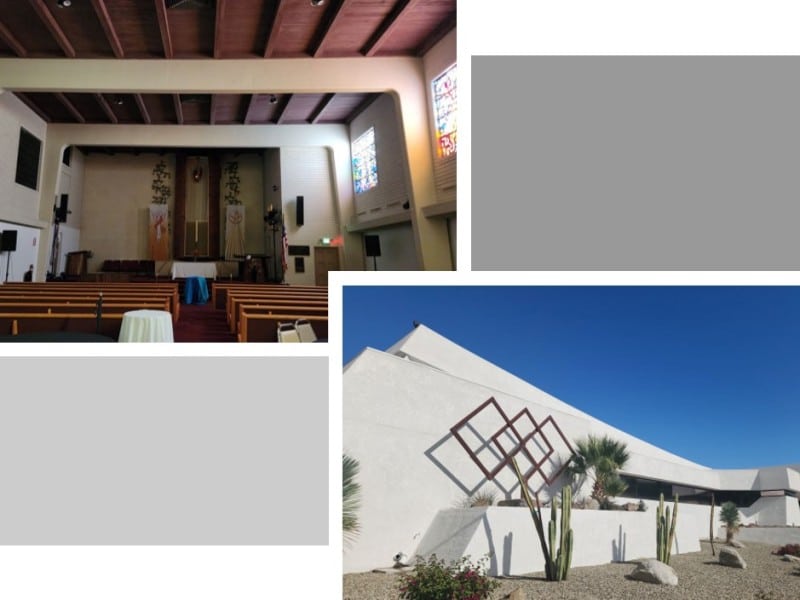
Palm Springs preservation board recommends historic designation for Temple Isaiah
The 70-year-old synagogue on Alejo Road was founded by concentration camp survivors; its layered architecture spans Modernist, Mid-Century, and Brutalist design phases.
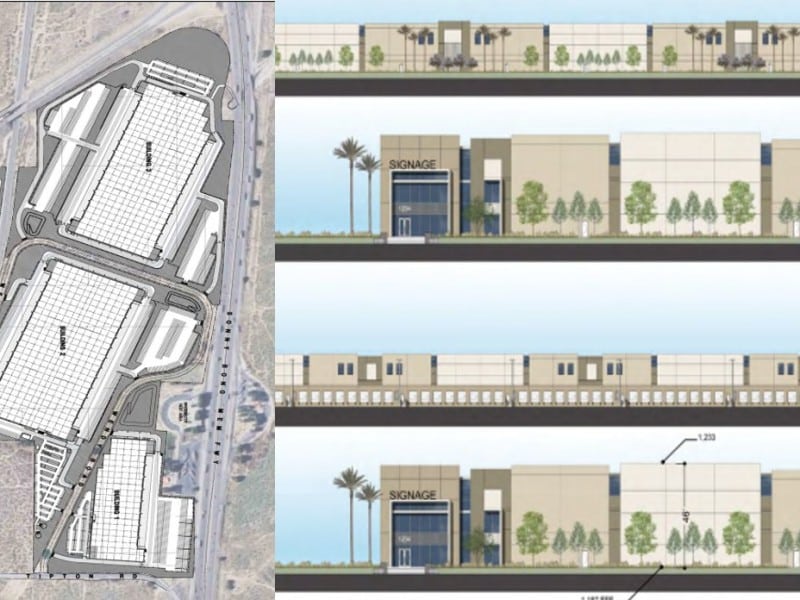
City, tribal leaders postpone June meeting on warehouse development
The delay will give the developer more time to respond to public comments and review technical issues tied to the proposed 2.85 million-square-foot project.