
Years in the making, Palm Springs AIDS Memorial Sculpture now faces public backlash; redesign is being discussed
Previously private criticism of the proposed artwork, mentioned in a TV news report, quickly went viral, drawing negative attention to the effort from extreme right-wing media and its followers.

For eight years, the Palm Springs AIDS Memorial Task Force has been working to design, donate, and install a memorial to honor the lives lost to HIV and AIDS in Downtown Park. In the past seven days, however, it’s been coming under fire.
As currently envisioned, the memorial would be a nine-foot-tall circular sculpture made of limestone with an empty hole in the middle. The artwork will be placed in the park, surrounded by trees and a walkway on both sides.
Local reporting and journalism you can count on.
Subscribe to The Palm Springs Post
The task force has been fundraising for the memorial since 2021, intending to raise $500,000, and secured the involvement of local artist Phillip K. Smith III. Last June, the Palm Springs City Council approved up to $65,000 for the project’s installation, the only city money to be used.
While concerns may have been voiced privately, including in social media groups, nearly every public mention of the sculpture’s proposed design – whether on social media or in a handful of city meetings – has related only to information about Smith’s involvement or fundraising opportunities.
But last week, a local television news report brought those concerns out in public, with city residents saying that the design would make a “laughingstock” of the HIV/AIDS crisis as it resembles something vulgar.
On Sept. 15, the day the story was posted online, it quickly went viral and began being mocked on extreme right-wing websites and social media accounts.
In one instance, the Twitter account for an outlet billing itself as “a newsletter for the ‘conspiracy theorists’” posted a video about the sculpture that has been viewed more than 1 million times. Nearly every reply to that video, and similar posts by outlets such as The Daily Caller, is homophobic, often containing slurs against gay people.
The outsized national reaction took some members of the community aback and may have surprised members of the Public Arts Commission. Especially considering the commission first showed designs for the sculpture in a public meeting in June 2021.
During that meeting, commissioners unanimously voted to recommend that the City Council accept the donation of the sculpture. Then, in September 2021, the councilmembers unanimously accepted the commission’s recommendation.

On Wednesday evening, the artist and commissioners addressed the national and local reaction during the monthly Palm Springs Public Arts Commission meeting. The artists said he has gone as far as issuing an apology to those offended by the initial design.
“Having worked on projects in the public realm over the last 20 years, I’ve learned that great design happened through listening, adapting, and realigning,” he said.
The task force has been working on new iterations of the design for the last several months, Smith added, noting that they “will honor the original intentions while directly addressing people’s number one concern.”
Gary Armstrong, who chairs the Public Arts Commission, assured the public that their concerns would be heard.
“I respect and embrace everything that the community is saying,” Armstrong said, noting that art can bring people together in the era of extreme divides.
On Thursday, Armstrong said that depending on when the commission receives the new designs, it has to go through the approval process again, and it would take two to four weeks for it to reach the City Council again.
He expects the AIDS Memorial Sculpture will be a discussion item at the next Public Arts Commission meeting — currently scheduled for Oct. 18 — to allow for more time for public comment.
Speaking to his fellow commissioners Wednesday evening, Armstrong reminded them of their job.
“This is the beauty and challenge of being a Public Arts commissioner,” he reminded them. “It’s more than just picking a design or picking a color. We’re helping reflect the citizenry of Palm Springs.”
Author

Related Articles
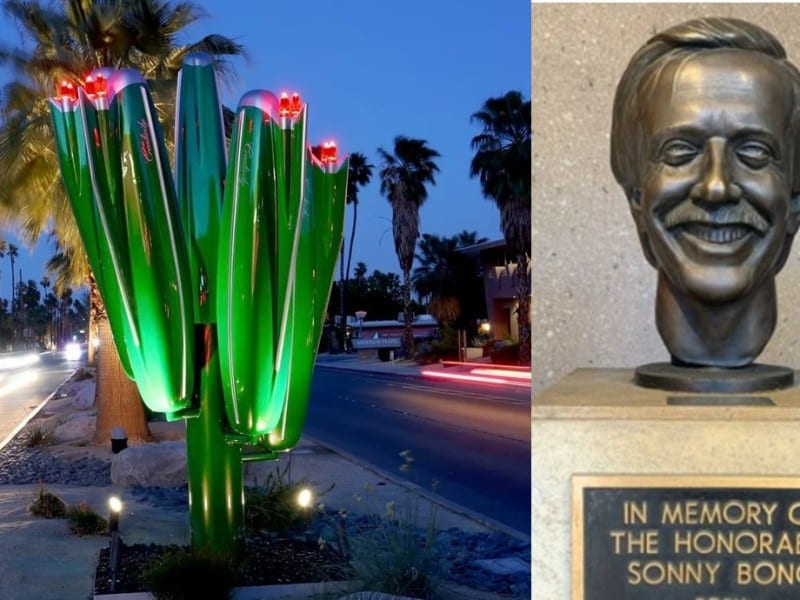
Palm Springs Arts Commission approves new process for categorizing city art
The new subcollection will be called the Commemorative Collection, and the commission has spent the past several months discussing the best criteria to distinguish a commemorative work from other pieces of public art.
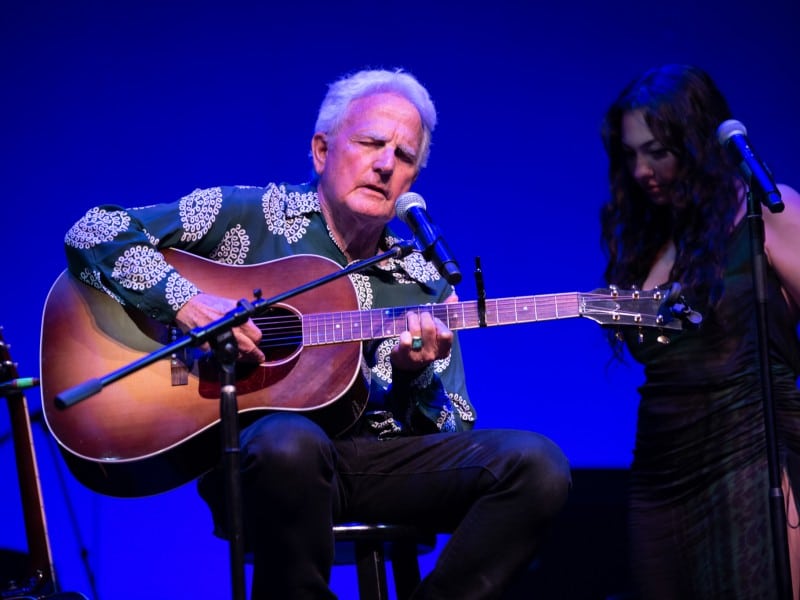
Remembering Billy Steinberg: Hitmaker, farm kid and Palm Springs original
From “Like a Virgin” to “True Colors,” Steinberg shaped pop history — but in Palm Springs, he was a rock rebel and loyal friend who never forgot his roots.
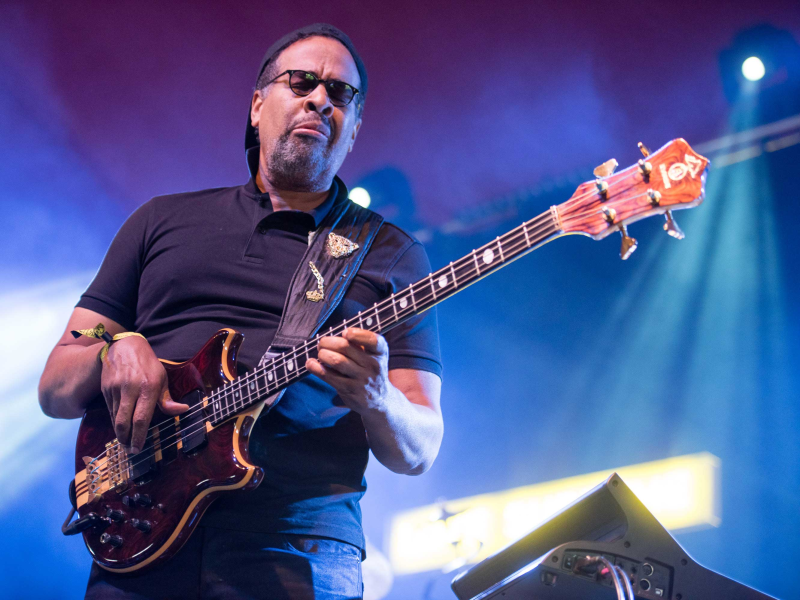
When the bass steps into the spotlight
At the Palm Springs International Jazz Festival, an instrument long consigned to the background becomes the through line of a century of jazz history — from New Orleans parades to fusion, funk and the future.