
Sustainability Commission moves forward with energy efficiency ordinance for older homes
During deliberations Tuesday evening, commission members emphasized the importance of balancing emissions reduction goals with equity concerns for homeowners.
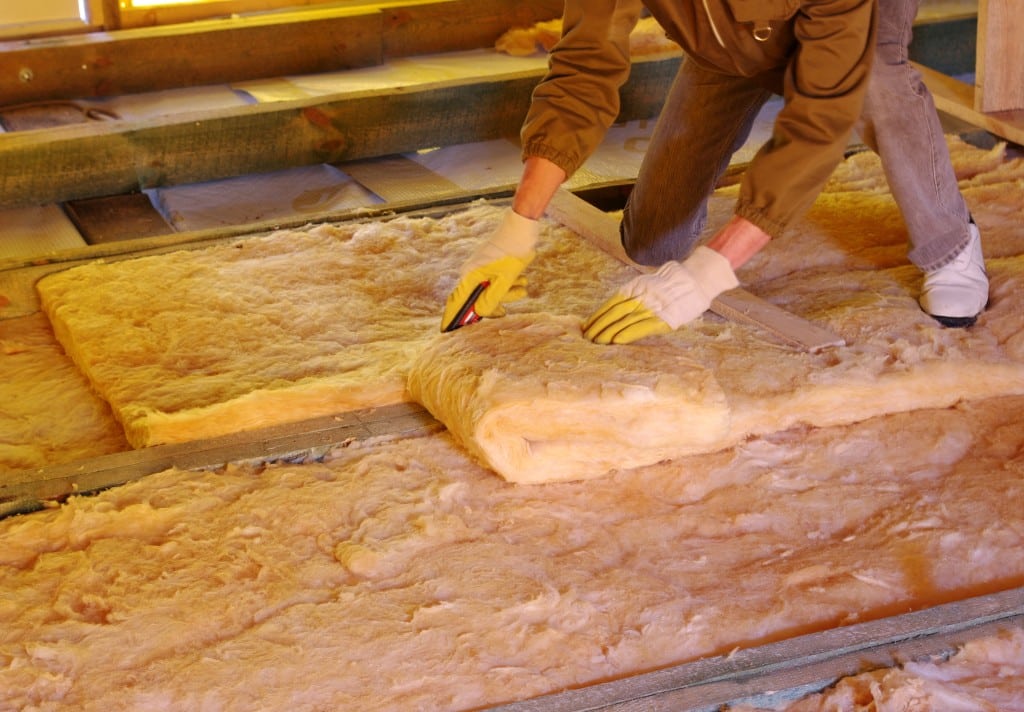
The Palm Springs Sustainability Commission approved an energy efficiency upgrade ordinance for homes built before 2011 Tuesday evening, moving it forward to the City Council. The measure targets residential buildings, which contribute about 23% of the city’s total greenhouse gas emissions.
The ordinance focuses on cost-effective upgrades like insulation, LED lighting, and electric-ready appliance installations. It is set to be presented to the City Council in January, pending final approval and implementation timeline.
Local reporting and journalism you can count on.
Subscribe to The Palm Springs Post
Homes with existing solar panels are exempt from additional requirements under the ordinance. Low-income residents receiving utility rate discounts are also currently exempted from the measure’s requirements.
The commission plans to develop user guides and fact sheets to help homeowners navigate the new requirements. Palm Springs Sustainability Director LP McCloy emphasized the importance of creating the resources, stating, “We agree that that is a little bit confusing for a building owner who may not be as familiar to be able to identify themselves there.”
The ordinance includes exceptions for historically designated buildings and medically necessary home upgrades. Buildings constructed before 1978 could also undergo a historic investigation when certain types of work are proposed.
The commission is also exploring potential incentives and funding options to assist homeowners with compliance costs. About 30% of Palm Springs residents receive a utility rate discount, which would exempt them from the ordinance.
“We want to make sure everyone has an equal opportunity to get the benefits of energy efficiency,” McCloy said. “… All ideas are welcome.”
The ordinance’s triggers are based on project cost and building age, rather than square footage. That approach will more closely align with equity goals and avoid disproportionately impacting lower-cost projects.
During deliberations, commission members emphasized the importance of balancing emissions reduction goals with equity concerns for homeowners. They are working to identify ways to help people comply with the ordinance without causing additional financial strain.
“We are hoping to be able to help people comply with the ordinance in a way that’s not going to cause additional strain,” McCloy added.
The ordinance is the result of years of work by the commission and is the first city ordinance on climate change and reduced green gas emissions.
Author

Related Articles
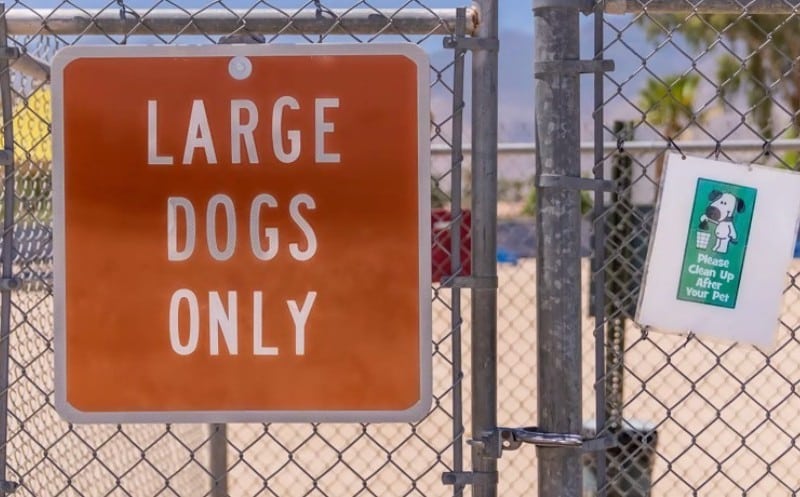
Demuth Park improvement project launching March 2, closing dog parks for months
The dog parks will be closed for most of the construction period, with residents asked to use the City Hall dog park while crews work toward an October completion.

Palm Springs appeals board moves to consider greater discretion in vacation rental cases
A representative of a local vacation rental group argued that treating every violation the same “undermines trust in the process.”
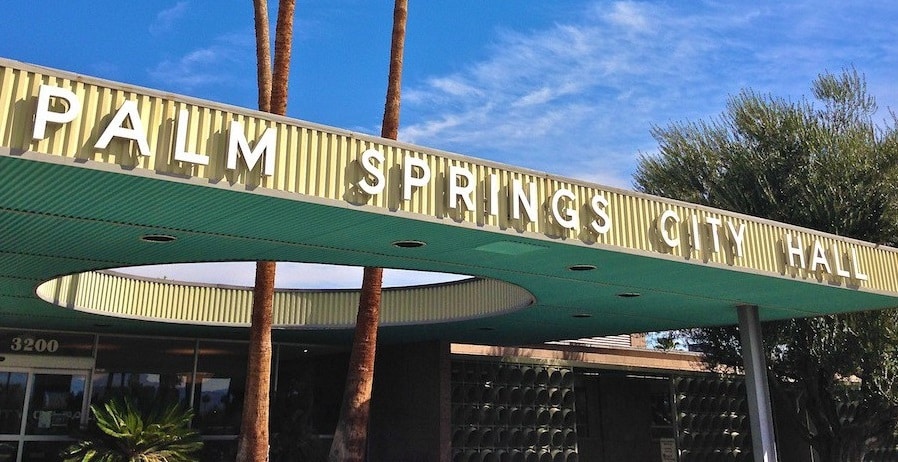
Public workshops bookend busy week at Palm Springs City Hall
Open houses on Fire Station 1 and traffic safety frame meetings on tourism, parks, development and city finances