
‘Rip out the grass’: Desert expert says residents can help save native species with simple yard changes
Speaking at a Mizell Center talk hosted by the city library, The Living Desert’s Dr. James Danoff-Burg pointed to a beetle found only in Palm Springs as a vivid example of what’s at stake in preserving Coachella Valley biodiversity.
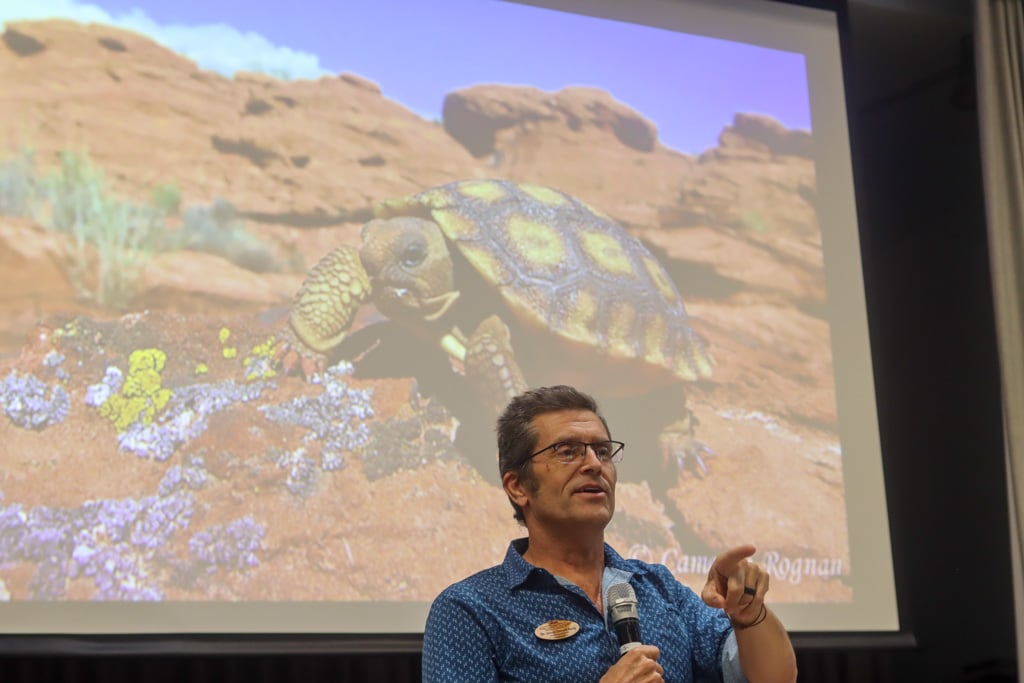
Roughly 50 people who attended a recent talk at Mizell Center on protecting native plants and animals heard a striking example of what’s at stake: a beetle found only in a three-mile stretch of Palm Canyon wash that represents both the extraordinary biodiversity of the Coachella Valley and the fragility of its desert ecosystems.
Dr. James Danoff-Burg, vice president of conservation at The Living Desert, delivered the presentation “Keep California Native” at Mizell Center as part of a monthly series hosted by the Palm Springs Public Library in partnership with Oswit Land Trust. He revealed how the valley’s unique geography creates one of the most biologically diverse regions in the United States while also making it vulnerable to environmental threats.
Local reporting and journalism you can count on.
Subscribe to The Palm Springs Post
The valley’s dramatic elevation changes tell the story of its ecological richness. From 260 feet below sea level at the Salton Sea to over 11,000 feet at San Gorgonio Mountain, the region contains nearly every ecosystem found in North America.
This diversity shows up on national biodiversity maps as a red hotspot rivaling Hawaii, though Danoff-Burg joked that the islands “cheat because they have rain.”
But this biological treasure faces mounting pressures. For example: Casey’s June beetle, the insect found exclusively in Palm Canyon wash, survived a close call during the Feb. 14, 2019, storm that scoured the canyon.
“We were terrified that it killed this whole species,” Danoff-Burg said, explaining why conservation efforts focus not just on charismatic megafauna like bighorn sheep but also on preserving habitats for the valley’s smaller unique residents.
The Living Desert has responded by expanding its conservation work. The organization now operates 105 projects across 12 countries, with nearly half located in Southern California.
Working alongside partners including Oswit Land Trust, the Bureau of Land Management, and the Torres Martinez tribe, the zoo’s conservation team has developed innovative restoration techniques suited to desert conditions.
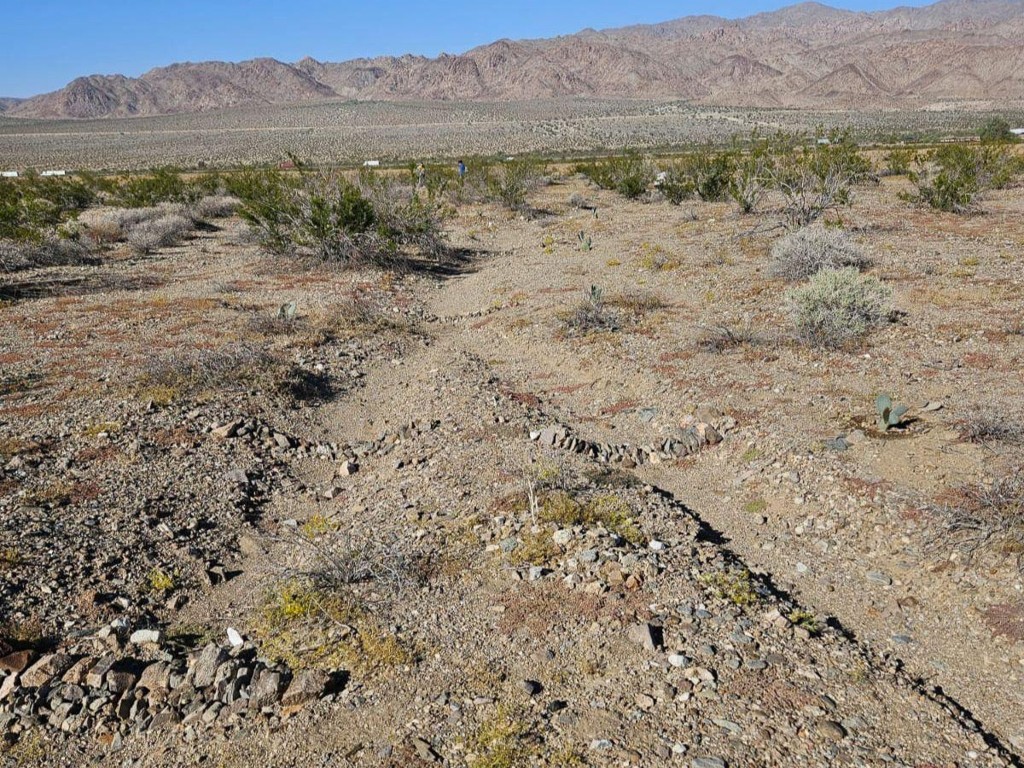
In the Orocopia Mountains, crews have installed 453 small rock dams designed to slow rushing water during the increasingly intense storms brought by climate change. These structures prevent erosion, spread water across the landscape, and create what Danoff-Burg calls “tortoise restaurants” where California’s state reptile can find abundant native plants to eat.
Other initiatives include removing tamarisk, a non-native tree brought by railroad companies that has spread throughout desert washes, and preparing habitat for the potential reintroduction of Sonoran pronghorn to the Chuckwalla Bench for the first time in over 80 years.
The work extends beyond wilderness areas into neighborhoods and schools. The Living Desert partners with cities throughout the valley to establish native pollinator gardens that serve as stepping stones for butterflies, bees and other insects migrating through the region.
This is where Palm Springs residents can make the biggest difference, Danoff-Burg told the audience. His advice was direct: remove lawns, plant natives, and pull invasive weeds during daily walks.
“Rip out the grass,” he said. “Put some natives in there. It’s so much easier and cheaper and better for the environment.”
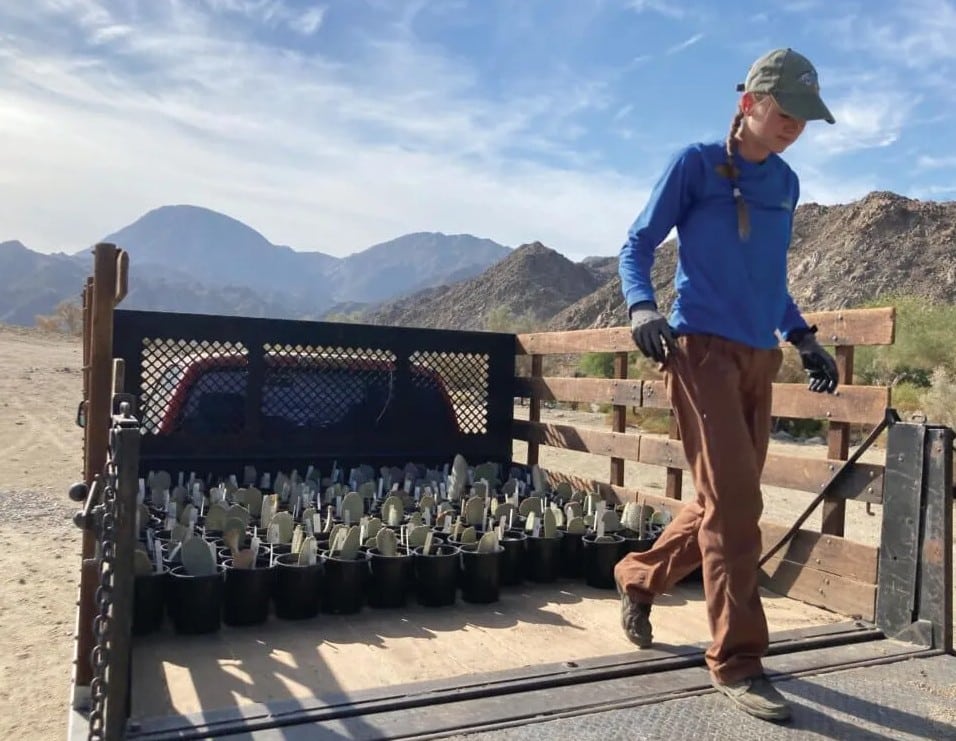
He warned against buying plants from major home improvement stores, where most offerings are non-native and many are invasive species. Instead, he recommended local nurseries that carry native desert plants requiring minimal water and maintenance.
“Rip out the grass. Put some natives in there. It’s so much easier and cheaper and better for the environment.”
— Dr. James Danoff-Burg
Even apartment dwellers can contribute by planting natives in pots on balconies.
“They don’t care. They’ll come to it. They smell it,” Danoff-Burg said of the pollinators that will find even small container gardens.
The current rainy season presents both opportunity and challenge. The carpet of green covering the valley consists largely of invasive Sahara Mustard and London Rocket, which crowd out native species and degrade habitat quality.
Danoff-Burg encouraged residents to pull these plants during walks, joking that they can build hip muscles while leaving “a whole row of carnage — botanical carnage” behind.
Climate change has altered rainfall patterns in the valley, concentrating precipitation into intense storms that create deep erosion channels and lower water tables. Projects like the rock dams help counteract this damage by retaining water and soil.
Danoff-Burg emphasized that conservation requires community involvement, not just professional efforts.
“We are the people who are the challenge. Are the problem, but if we are doing the right thing, we can be the solution,” he said.
The Living Desert offers a native planting guide on its website, and residents can email conservation@livingdesert.org for more information. The Palm Springs Public Library also provides state park passes for those interested in visiting conservation areas.
For Danoff-Burg, who has lived across the country and in multiple other nations, the Coachella Valley represents something special.
“This is my favorite place I think that I’ve ever lived in my whole life,” he said.
The challenge now is ensuring that the unique species and ecosystems that make it special survive for future generations.
Author

Related Articles

Palm Springs firefighters launch campaign to restore city’s first fire engine
As two new fire engines report for duty in the city, the association is seeking $100,000 to bring a 1931 American LaFrance back to its former condition.
Boys and Girls Club seeks community support amid funding uncertainty, security concerns
The club is trying to adjust after a delay in receiving $200,000 in federal funding, all while facing security concerns related to immigration enforcement.
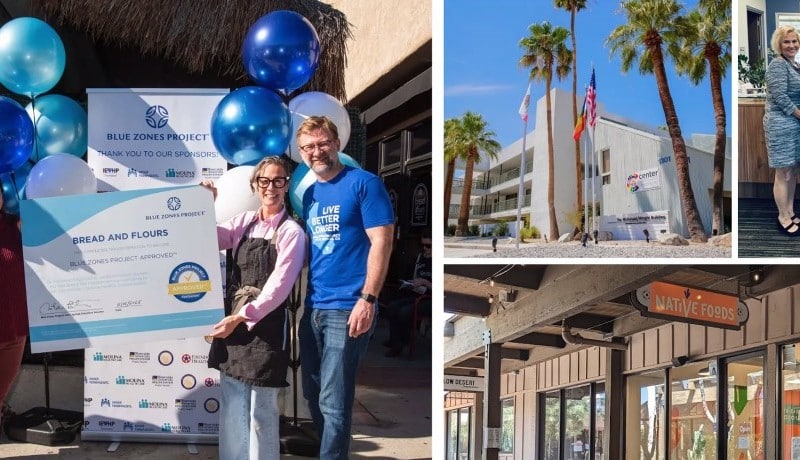
Blue Zones Palm Springs marks one year, sets sights on schools, restaurants and city partnerships
The organization spent its first year building relationships, identifying partners and establishing a foundation for long-term change in the community.