
Public Arts Commission approves relocation for Bogert statue with a required educational component
The statue was removed from City Hall in 2022 and its move will be funded by the Palm Springs Historical Society.
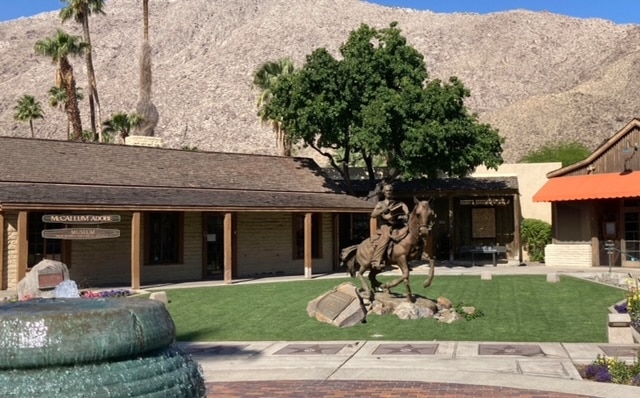
The Palm Springs Public Arts Commission voted Thursday to relocate the statue of former Mayor Frank Bogert to the Village Green, accepting a proposal from the Palm Springs Historical Society with an amendment requiring an educational component addressing the controversy surrounding the memorial.
The commission approved the placement in a 5-1 vote with two abstentions during a meeting that drew emotional public testimony from both supporters and critics of the statue’s return to public display.
Local reporting and journalism you can count on.
Subscribe to The Palm Springs Post
The historical society will assume all financial responsibility for the transport, installation, and maintenance of the piece, according to a letter submitted to the commission. The statue would be positioned on the Village Green which includes several historic buildings, including the McCallum Adobe, Ruddy’s General Store Museum, the Cornelia White House and the Palm Springs Historical Society’s Oasis Museum.
Created by Mexican sculptor Raymundo Cobo Reyes and first installed in 1990, the statue was removed from City Hall in 2022 following a controversial city Human Rights Commission report that linked Bogert to the displacement of Section 14 residents in the late 1960s.
That report was never formally accepted by the City Council, which last year approved a settlement with former Section 14 residents and their descendants as part of a broader reparations effort.
“My vote is based, again, on the importance of the amendment to the resolution, and with the hopes that it is a healing factor to the city,” Commissioner Lauri Kibby said before voting to approve the resolution.
Two commissioners abstained, one saying she would have liked additional information on other suitable locations for the statue.
Many of the almost two dozen speakers who gave public comments were surprised that the issue of the statue was coming up again; they thought the matter was settled after 2022.
The issue landed in the lap of the commission after a decision from the City Council in November. Councilmembers were considering bringing forward the Palm Springs Historical Society’s plan as an agenda item. Instead, they agreed to let the Public Arts Commission make the final decision.
The vote followed nearly two hours of emotionally charged public testimony that highlighted the deep divisions within the community over how to remember the former mayor; divisions that remain nearly four years after the statue was moved from City Hall and into storage.
Supporters, many of whom personally knew Bogert, spoke of his role in building the city’s international reputation. Opponents — including survivors of the Section 14 displacement and their descendants — described the move as a betrayal of recent reconciliation efforts.
For Charlie Ervin the statue remains a symbol of the destruction of Section 14 in the 1960s, a process that forcibly removed hundreds of Black and Latino families from their homes.
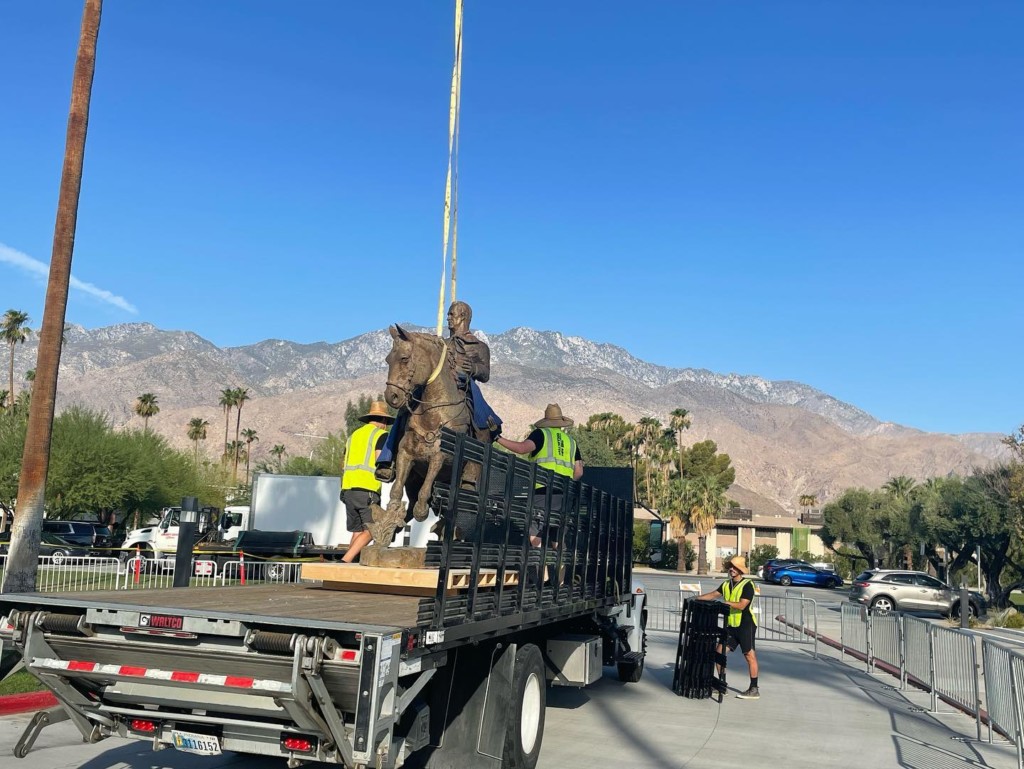
“Placing this statue in the heart of the city is, quite frankly, a slap in the face to the families and the descendants of Section 14 residents who suffered [and were] finally recognized when the prior honor was removed,” he said.
Most of the speakers who opposed the Village Green location for the statue said it would be better if the statue were placed somewhere more out of sight, like near Bogert Trail or on the street named after Bogert.
Chair Gary Armstrong said that other locations were considered, but they kept running into issues of ownership. Bogert trail and land further up in the mountains is all private, but Village Green is city-owned property.
Supporters of the relocation argued that Bogert was an essential part of the city’s fabric and that his actions have been unfairly characterized.
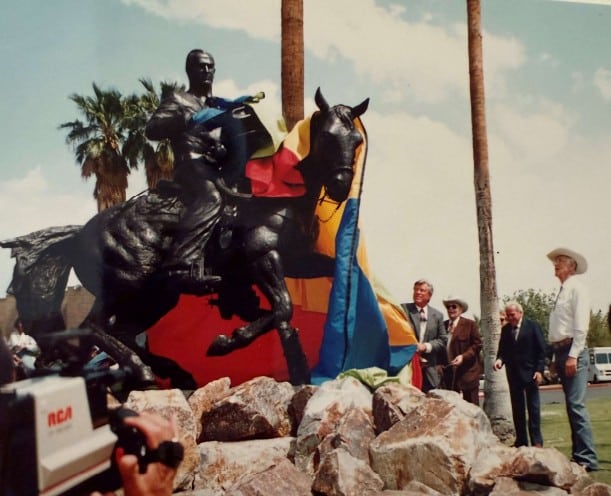
Tracy Conrad, president of the Palm Springs Historical Society, said their idea to move the statue is an effort to preserve the city’s “Western cowboy town” roots.
“The intention tonight was not to have to re-adjudicate this issue,” Conrad told the commission. “We want to place it in the historic context, in a museum context, where it belongs in preference to in front of City Hall.”.
The approval is now subject to review and approval by the Historic Site Preservation Board and approval of a written agreement between the city and the Palm Springs Historical Society for placement and maintenance of the statue. Neither staff nor the commissioners offered an estimate on when the statue will be installed.
Author

Related Articles
Remembering Billy Steinberg: Hitmaker, farm kid and Palm Springs original
From “Like a Virgin” to “True Colors,” Steinberg shaped pop history — but in Palm Springs, he was a rock rebel and loyal friend who never forgot his roots.
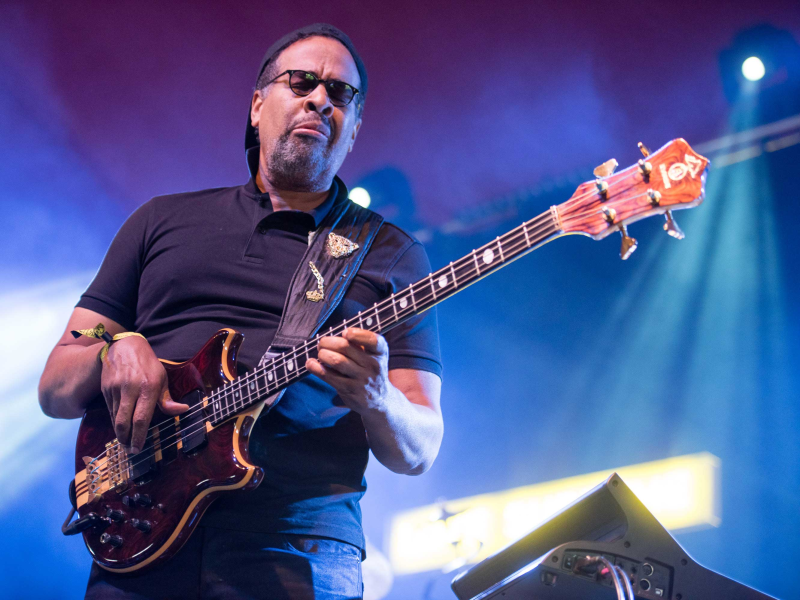
When the bass steps into the spotlight
At the Palm Springs International Jazz Festival, an instrument long consigned to the background becomes the through line of a century of jazz history — from New Orleans parades to fusion, funk and the future.
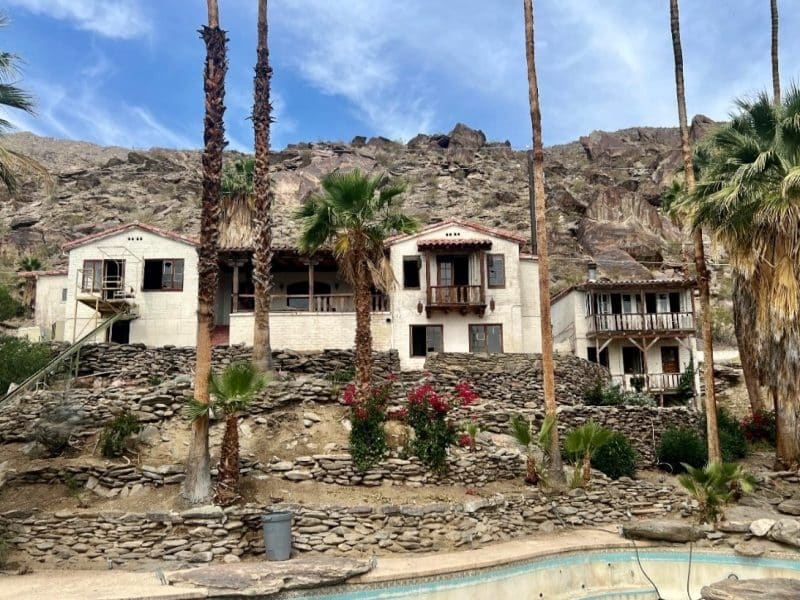
Historic board recommends landmark status for director Edmund Goulding’s ‘Little White House’ estate
The home, built eight years before the city of Palm Springs was incorporated, represents the Spanish Colonial Revival architecture that dominated in the interwar period.