
Plans for modern resort at site of budget hotel with long history move forward
Under plans reviewed by a city board Tuesday evening, several buildings at the current site of a Days Inn would be knocked down to make room for the change.

A Palm Springs property with a lengthy history of change will transform again after plans to tear down some buildings on the four-acre site went unopposed opposed by the majority of a city board Tuesday evening.
The property at 1973 North Palm Canyon Dr., which currently consists of a half-dozen buildings that comprise a Days Inn and the former site of Rick’s Restaurant, will be redeveloped into a more modern resort, according to plans in a staff report reviewed by the Historic Site Preservation Board at its regular monthly meeting.
Local reporting and journalism you can count on.
Subscribe to The Palm Springs Post
The board voted 5-1 — with Board Member Peter Moruzzi casting the lone no vote — to take no action to prevent the demolition of three of the buildings, essentially granting approval for the project to move forward.
According to the historic structures survey prepared by architecture historian Steven Keylon — included in the staff report — the property has undergone numerous changes over its nearly 90-year history.
Originally constructed in 1936 as the Cahuilla Indian Village, a Pueblo Revival-style apartment complex, it expanded into the Hotel Cahuilla in 1937. It later became known as the Palm Springs Pueblo and, in 1961, was partially redeveloped as the Palm Springs Sands Hotel, with Googie-style buildings designed by architects Armét & Davis.
Over the years, the property has operated under several names, including the Quality Inn, Rodeway Inn, Palm Court Inn, and, for a time, housed the Palm Springs Language Institute. Most recently, it has been used as a Days Inn.
The owner, Spot On Ventures LLC, now plans to redevelop the complex into a modern hotel and resort complex. The focus will be on a combination of new structures, renovations, and site improvements, including updated landscaping and parking.
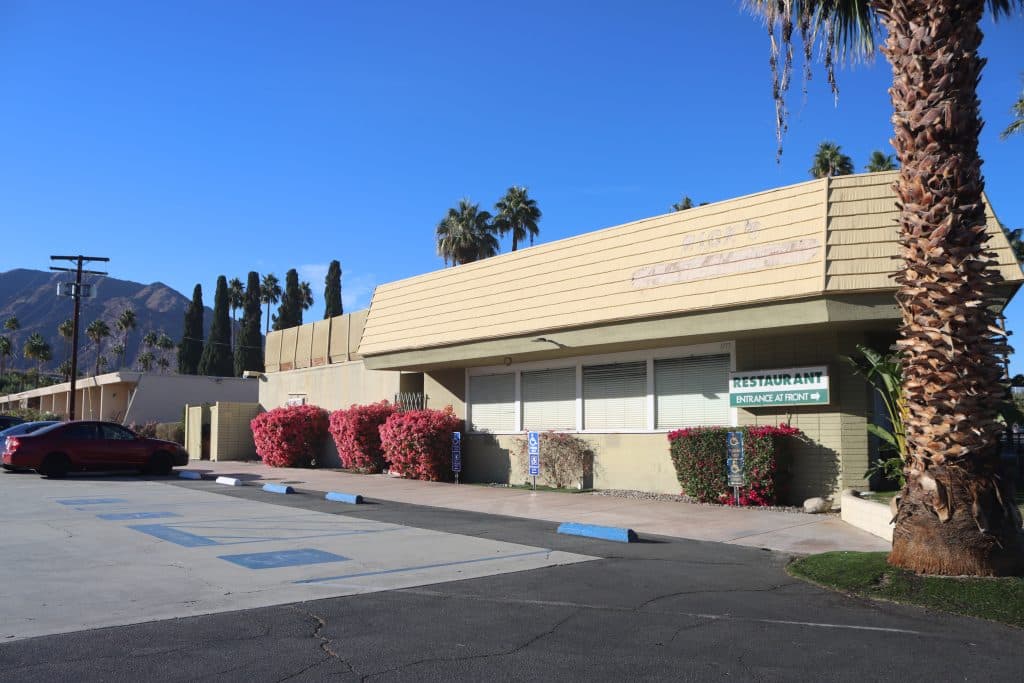
Included in the plans is demolition of three of the site’s six existing structures — including the former Rick’s Restaurant and the current lobby building. The remaining buildings would be renovated, with plans to preserve key architectural features of two Googie-style buildings designed in 1961. New buildings, including a restaurant space at the northeast corner of the property, would be constructed, along with updated landscaping and a redesigned parking area.
Two buildings designed by Armét and Davis in 1961 were identified as having architectural significance. In voting no and suggesting further review was needed, Moruzzi expressed concern about the future of the two buildings if the project were to change hands or face financial difficulties.
“My experience in life isn’t that sometimes the best intentions don’t always come true,” Moruzzi said.
Lance O’Donnell of O2 Architecture, representing the applicant, assured the board that these structures would be retained and their key features respected in the renovation.
“We have a resource here that has value, and so rehabilitating that value makes economic sense,” O’Donnell said. “And so the legacy continues.”
O’Donnell estimated that construction could start in the fall.
Author

Related Articles
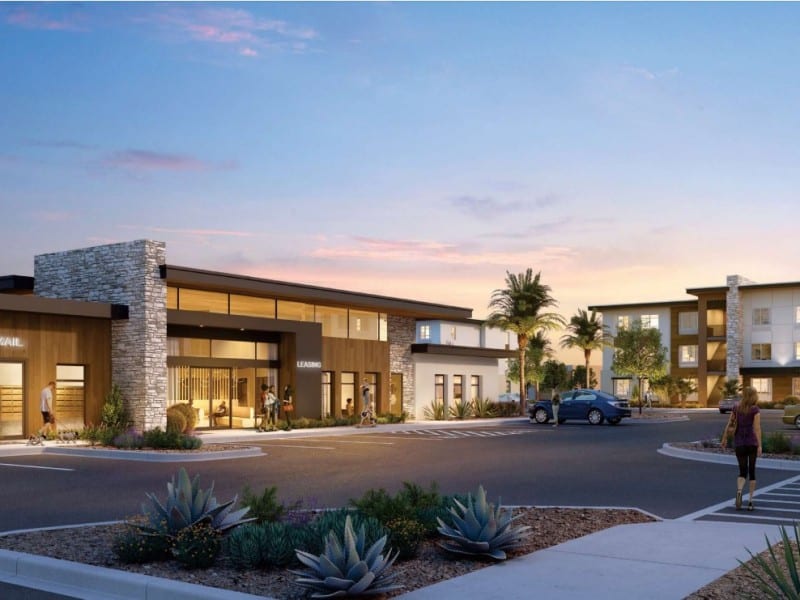
Planning Commission advances 115-unit affordable housing project
The commission unanimously approved the project’s development permit, with a few small requests such as adding benches and potentially tweaking one of the buildings.
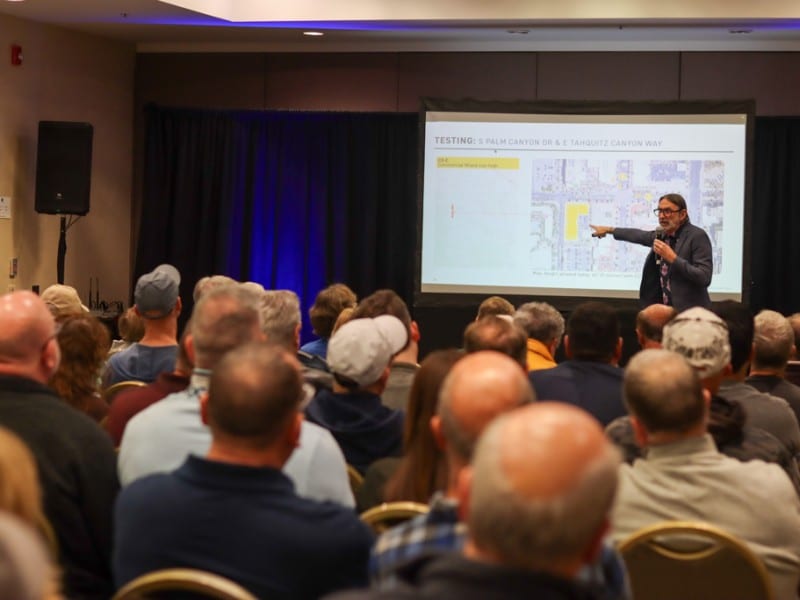
Residents push back on five-story developments near neighborhoods at community meeting
Homeowners worried about property values as city proposes allowing taller buildings near single-family neighborhoods to address workforce housing crisis.
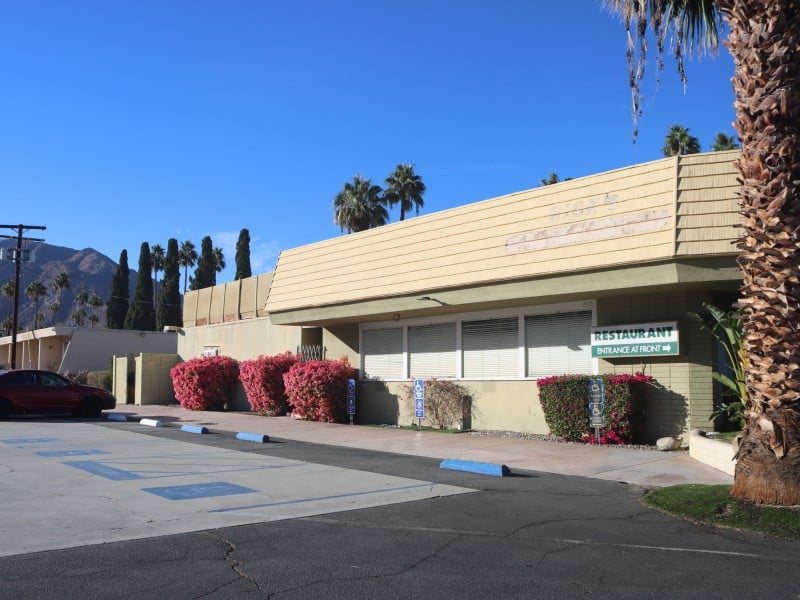
Hotel expansion breezes through architectural review despite earlier resident concerns
Committee members focused their discussion primarily on design elements, landscaping and traffic flow within the site.