
Parishioners at historic Palm Springs church launch restoration fundraiser
As part of the initiative, the ministry is presenting a special lecture and tour titled “Divinely Inspired: Discussing the William F. Cody Design of St. Theresa Catholic Church” during Modernism Week October.
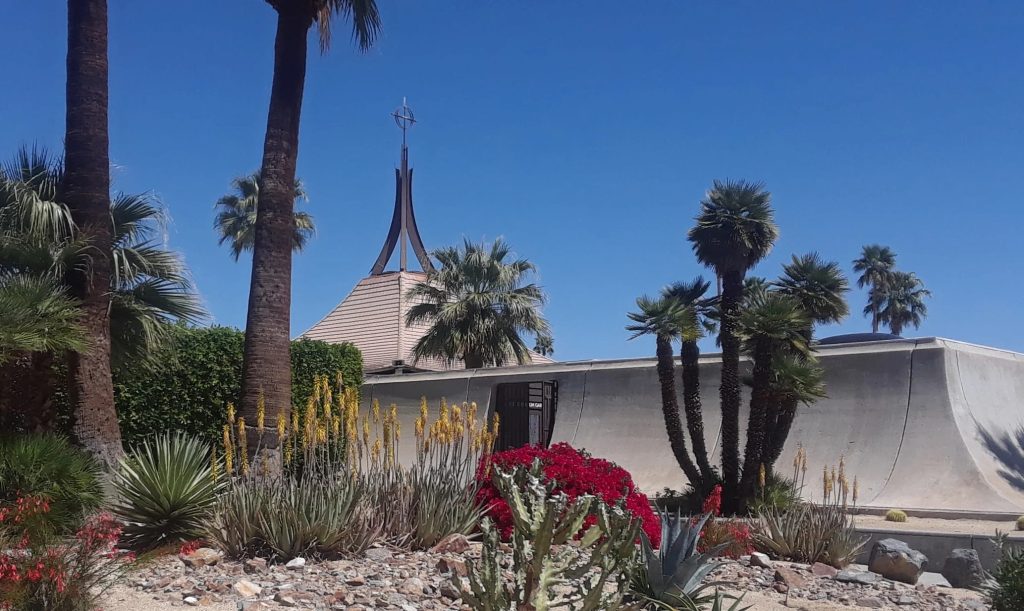
A group of parishioners at St. Theresa Catholic Church in Palm Springs is spearheading efforts to restore and preserve the iconic structure designed by renowned architect William F. Cody. The newly formed St. Theresa 135 Ministry aims to raise $135,000 annually for ongoing maintenance and special projects.
The church, completed in 1968 on a former World War II airfield, is showing signs of wear after more than five decades at 2800 Ramon Rd. To combat the effects of time, the ministry is organizing fundraising events during the upcoming Modernism Week October celebration.
Local reporting and journalism you can count on.
Subscribe to The Palm Springs Post
“We are a group of parishioners who commit to share our treasure annually to stabilize ongoing financial needs and to fund future special projects,” a representative of the St. Theresa 135 Ministry said in announcing the effort Tuesday.
The restoration effort focuses on preserving Cody’s architectural vision, which was heavily influenced by the Second Vatican Council of 1962-65. The council’s call for parishioners to be “fully conscious and active participants” shaped Cody’s design, bringing the congregation closer to the altar.
As part of the fundraising initiative, the ministry is presenting a special lecture and tour titled “Divinely Inspired: Discussing the William F. Cody Design of St. Theresa Catholic Church” on Oct. 25 and 26 during Modernism Week October.
Catherine Cody, daughter of William F. Cody, and architect Morris Skenderian, A.I.A., who worked in Cody’s firm during the church’s construction, will lead the presentations. They will share stories, photos, drawings, and talk about the artisans and craftspeople involved in making Cody’s design a reality.
The events will offer attendees a unique opportunity to explore the church’s main sanctuary and learn about its architectural features. A reception will follow each tour.
St. Theresa Catholic Church holds a significant place in Palm Springs’ architectural landscape. It was part of a larger master plan Cody created in 1963, which included a church, convent, school, and rectory. However, only the church and convent were completed.
The convent, finished in 1965, received major donations from Hollywood icons Bob and Dolores Hope. The connection underscored the church’s importance not only as a religious institution but also as a piece of local history.
Cody’s design for St. Theresa embraced the Second Vatican Council’s support for modern art in churches. The result is a structure that stands as a prized masterpiece in Cody’s legacy, blending religious function with architectural innovation.
The St. Theresa 135 Ministry, founded in 2020 during the coronavirus pandemic, is committed to addressing both immediate maintenance needs and long-term preservation goals.
“Our goal is to raise $135,000 annually,” the ministry said, emphasizing the ongoing nature of their efforts to maintain the church’s structural integrity and aesthetic appeal.
Details: Tickets for the Modernism Week October events are available through the Modernism Week website. Proceeds from these special events will directly support the preservation of this award-winning Cody masterpiece.
Author

Related Articles
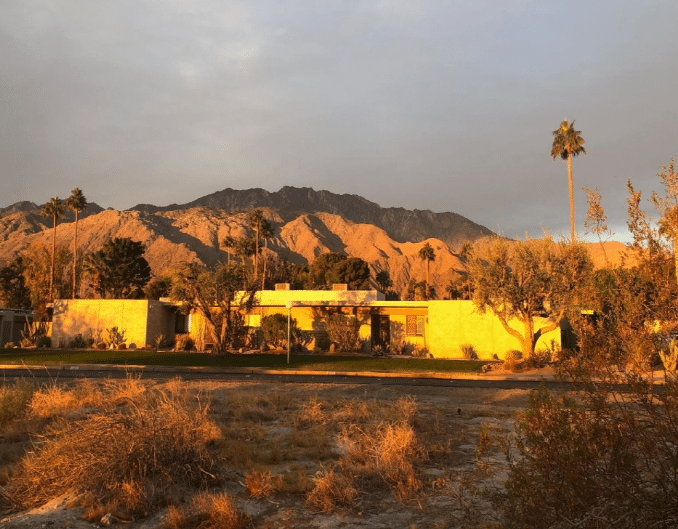
Palm Springs board recommends historic district designation for Sagewood Condominiums
The designation for the neighborhood — built by the same developers of Levittown — was a “no brainer” for Historic Site Preservation Board members at their Tuesday evening meeting.
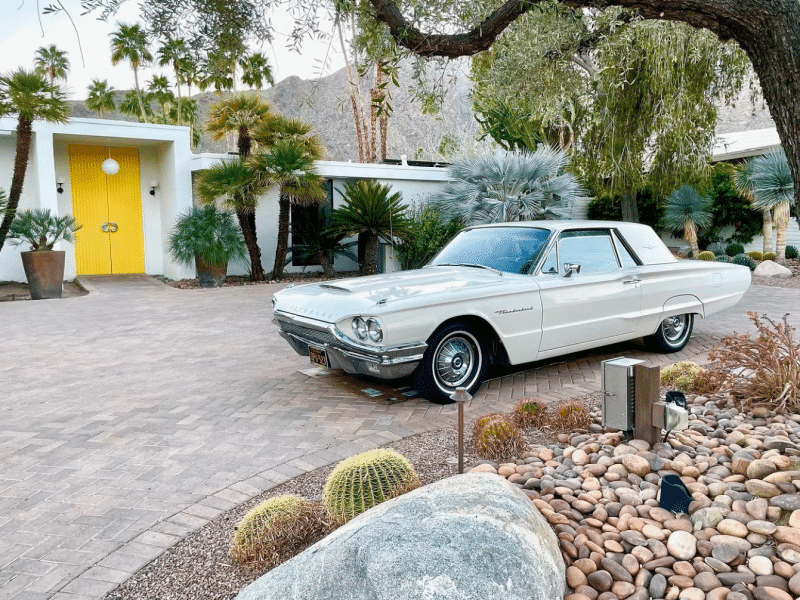
Palm Springs board approves designation for Late Modern period home
Historic Site Preservation Board members pointed out the city’s own historic survey only goes through 1969, leaving out important structures from the 1970s.
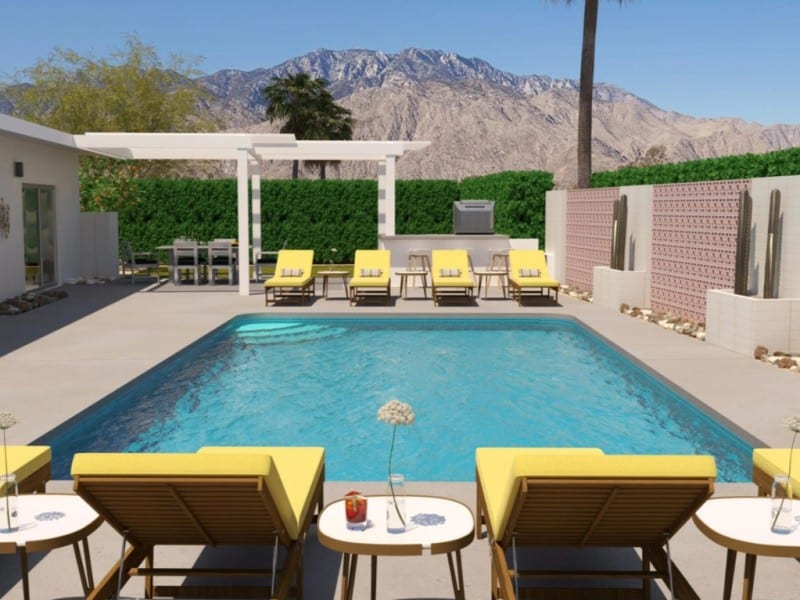
Modernism Week to feature more than 450 events in February
The 11-day festival in Palm Springs will include home tours, architectural bus rides, parties and educational talks celebrating midcentury modern design. Tickets go on sale Nov. 1.