
Palm Springs zoning update: Draft maps drew on disputed state guidance, officials say
Planning staff told the City Council Wednesday that draft maps showing buildings up to five stories tall were based on outdated state guidance, with major decisions still a year away.
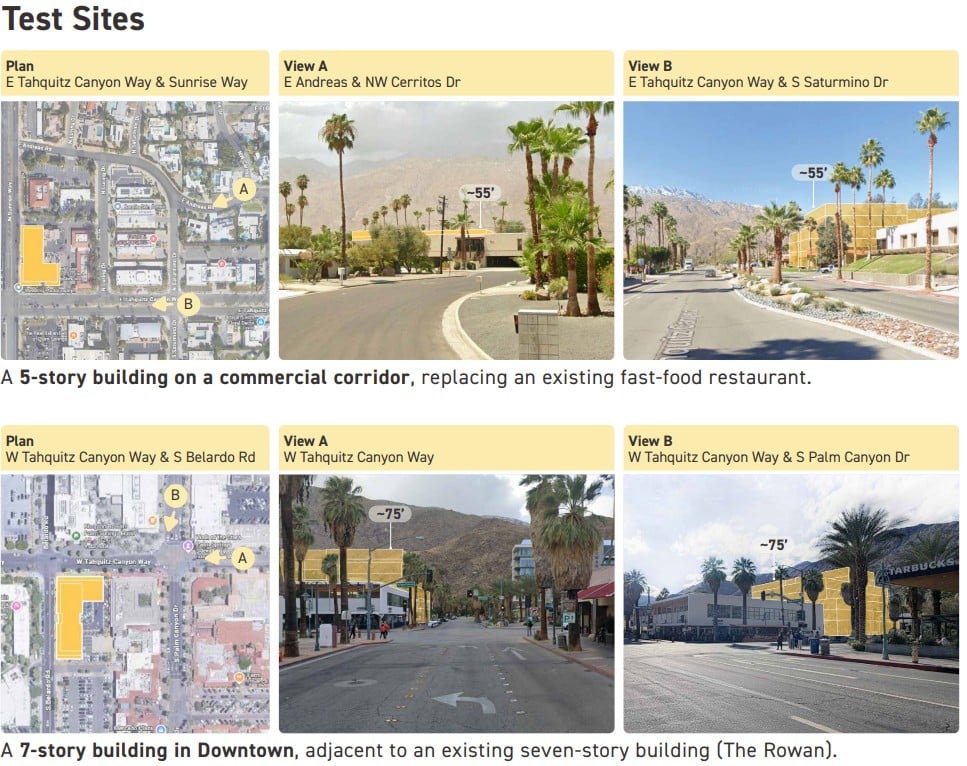
Palm Springs planning officials told the City Council on Wednesday that early draft maps showing buildings of up to five stories along commercial corridors were based on state guidance that has since changed, and that the city is still working to determine exactly what state law requires as it moves through a sweeping overhaul of its zoning code.
Director of Planning Services Christopher Hadwin said the zoning code update — which began in mid-2024 and involves the first comprehensive rewrite of the city’s development rules since the 1980s — remains in early stages, with roughly another year of work ahead before the council will be asked to make final decisions.
Local reporting and journalism you can count on.
Subscribe to The Palm Springs Post
“I want to stress the word draft and preliminary a lot tonight, because everything is very, very early in process,” Hadwin told the council Wednesday. “You’ll see that we have another year or so to go before we wrap this process up, and before it’s before you all to make an ultimate decision on it.”
The draft maps drew sharp criticism from residents at a Jan. 26 in-person session at the Palm Springs Convention Center, where they showed areas along commercial corridors — including those adjacent to established low-density neighborhoods — where three- to five-story buildings could be built. Hadwin told the council Wednesday that those maps were developed based on an interpretation of state law that has since evolved.
“The maps that were on the screen showing where those five stories were, were based again on direction we had received that has since been backed off,” Hadwin said. “We started that whole conversation believing we had an obligation to do the things that were on that map. We’re now being told we may have more ability to interpret things in a way that works better for us.”
City staff is working with the City Attorney’s office to determine what state law actually requires of Palm Springs, a task complicated by what Hadwin described as inconsistent guidance from state officials and laws that have not yet been tested in court. Staff plans to return to the council later this spring with a formal recommendation and options for direction.
Council members echoed those concerns and pressed Hadwin on next steps, asking that staff work to correct the public perception that the draft maps represent an active proposal.
To do that, they asked that staff publish plain-language explainers about the relevant state legislation on the city’s Engage Palm Springs platform without waiting for the next round of community meetings, and requested that when staff members return to the the council, they present alternative density scenarios showing lower building heights distributed more broadly across the city rather than concentrated in specific corridors.
“I’m curious: What does it look like if there were three-story buildings, a little bit more throughout?” Councilmember Grace Garner said. “How do we get some of the density that we want without seven-story or nine-story buildings?”
Council members also suggested the city present data showing how much of Palm Springs’ land is actually buildable, noting that tribal land — which state housing allocation formulas are not supposed to include — makes up a significant portion of the city’s total area.
The broader zoning update is driven in part by state housing mandates. Data presented at the Jan. 26 open house showed that housing costs in Palm Springs have risen 83% over five years while wages increased only 30%, and that 84% of people who work in the city cannot afford to live there. The city must plan for 1,700 additional housing units by the end of 2029, having completed only 848 of the required 2,600 units allocated for the current state housing cycle.
Among the commitments Palm Springs made in its state-mandated housing element is an inclusionary housing policy that would require a share of units in some new developments to be priced as affordable. Hadwin described the target population at a Feb. 4 public meeting as working families.
“Typically, that’s the working population we’re talking about — families who make $70,000 a year,” he said. “We’re not talking public housing necessarily. We’re talking affordable housing to families.”
To date, the city has held 27 stakeholder meetings, drawn more than 180 attendees to its open houses, and collected nearly 1,000 responses to online surveys. Draft open house materials from late January and early February remain available for public comment through March 13 on the city’s website.
Author

Related Articles
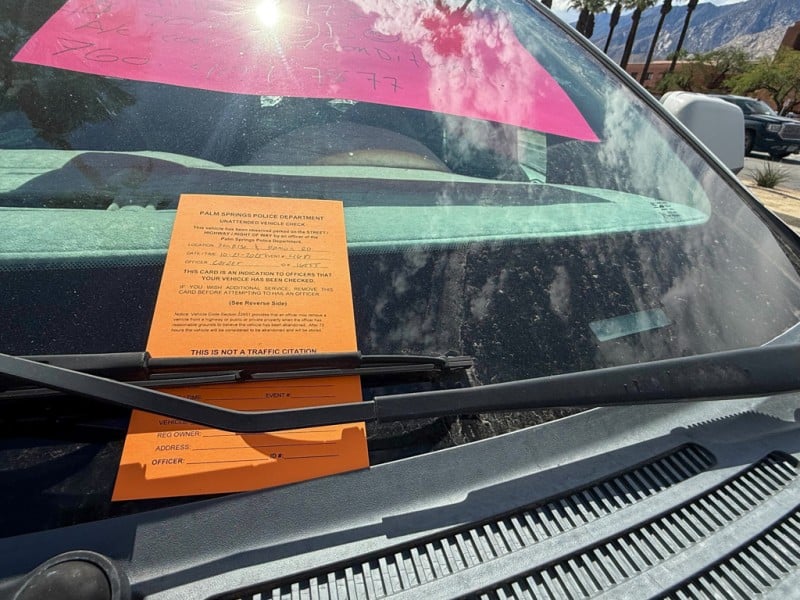
Palm Springs City Council approves ban on vehicle sales, rentals in public rights of way
The ordinance includes a narrow exception for residents occasionally selling their own vehicle near where it is normally parked, provided the vehicle is within one-tenth of a mile of the owner’s registered address.
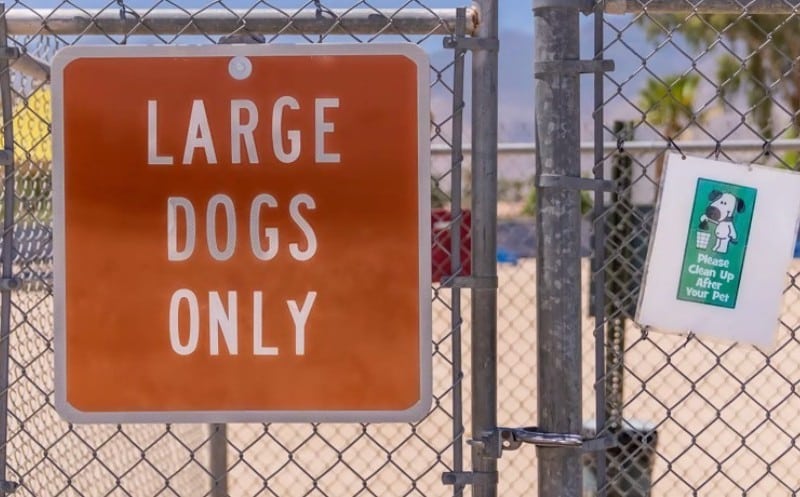
Demuth Park improvement project launching March 2, closing dog parks for months
The dog parks will be closed for most of the construction period, with residents asked to use the City Hall dog park while crews work toward an October completion.
Palm Springs appeals board moves to consider greater discretion in vacation rental cases
A representative of a local vacation rental group argued that treating every violation the same “undermines trust in the process.”