
Palm Springs secures more than $1 million in sustainability grants
Sustainability Director Lindsey-Paige McCloy detailed three recently awarded grants that will fund projects related to heat mitigation, street safety, and food waste reduction.
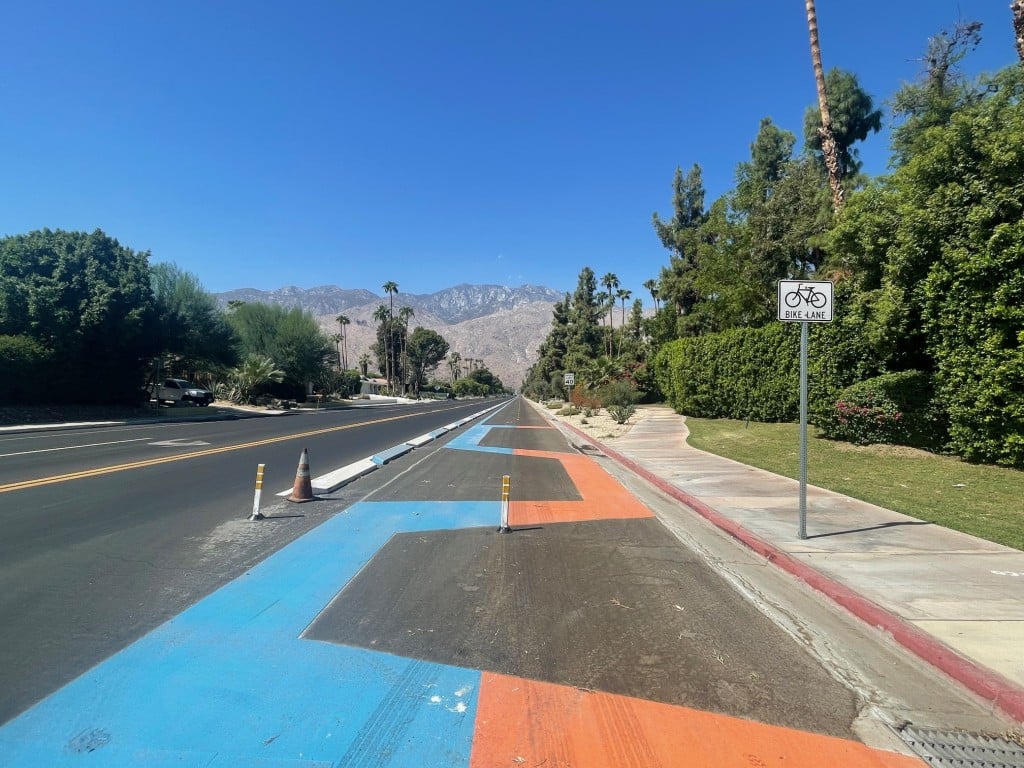
The Palm Springs Sustainability Commission received updates on several new grants totaling over $1.3 million at its Tuesday meeting. Sustainability Director Lindsey-Paige McCloy detailed three recently awarded grants that will fund projects related to heat mitigation, street safety, and food waste reduction.
The largest grant, $770,000 from the U.S. Department of Transportation’s Safe Streets for All program, will be used to update various city planning documents with a focus on safety and sustainability.
Local reporting and journalism you can count on.
Subscribe to The Palm Springs Post
“We’re going to use this funding to basically help us update all of those plans and really keep almost like a vision zero approach,” McCloy explained, referring to efforts to eliminate traffic fatalities and injuries.
The updates will include the city’s pedestrian master plan, traffic calming manual, and bike and non-motorized transportation plan. McCloy noted that Palm Springs has a high ratio of traffic injuries for a city of its size.
A $450,000 grant from Caltrans will fund a heat and shade study related to transportation. The study aims to analyze how to make transportation recommendations that account for Palm Springs’ extreme heat.
“We really need to kind of be thoughtful about how we make recommendations and pursue projects for our transportation system with heat in mind,” McCloy said.
The study will include a shade equity analysis, temperature assessments of urban heat hotspots, and exploration of creative solutions like shade structures and nighttime safety improvements.
The third grant, $120,000 from CalRecycle, will support an edible food recovery extension program. This initiative will work with local food banks to match large food generators like hotels and convention centers with organizations that can use excess prepared food.
McCloy explained that this program aims to comply with SB 1383, which requires reducing methane emissions from landfills partly by recovering more edible food.
“We’ll be working with some local food banks to set up a system to basically match the food coming from these generators to people who need it,” she said.
The director also mentioned that the city is considering applying for an EPA Climate Change grant but is leaning away from it due to low chances of receiving it as a California city. She noted that other regional projects may be more competitive for that funding.
McCloy emphasized the city’s strategy of leveraging various funding sources: “We’re trying to pull together the different resources that are coming from the state and the federal government to see where there are holes that we might want to plug with other grants.”
Implementation timelines vary for the projects. The heat and shade study is expected to begin in November and take about 18 months, while the Safe Streets for All work is anticipated to start in early 2025.
Author

Related Articles
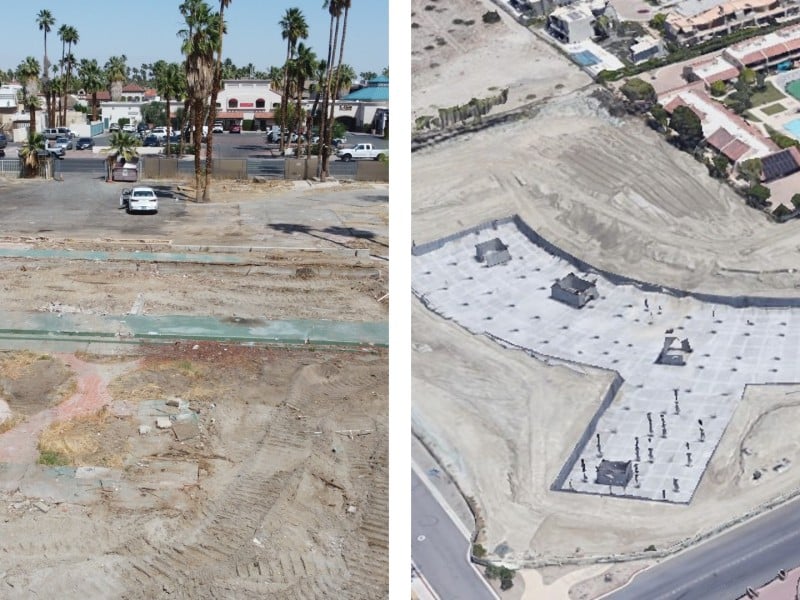
Council to review updates on Dream Hotel, Orchid Tree Hotel projects
City leaders will review a revised development agreement for the Dream Hotel and a milestone update for the Orchid Tree Hotel proposal when they meet next week.

Palm Springs waste audits reveal recycling gains citywide, but one neighborhood tops 50% contamination
Commercial properties showed the largest numerical improvement, with passing audits rising from 154 in 2024 to 229 in 2025, an increase of 75.
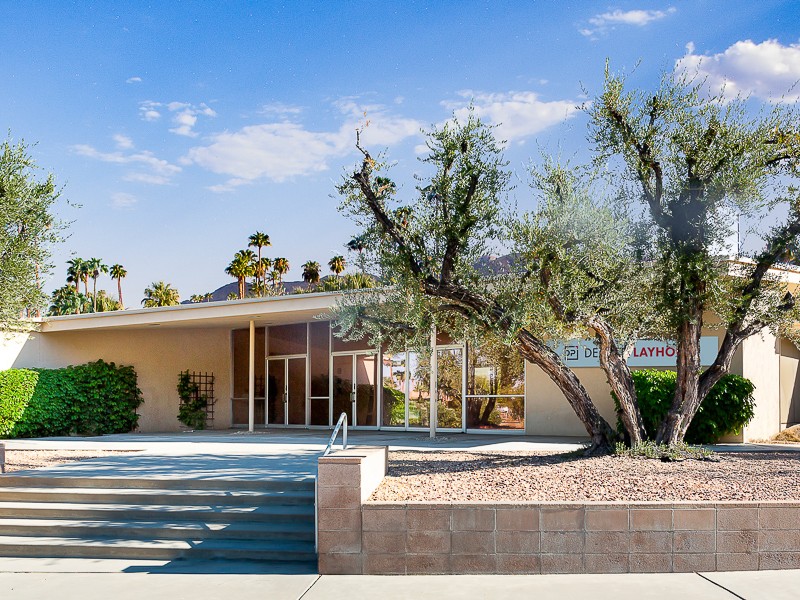
Palm Springs board approves historic designation for Albert Frey-designed church turned theater
Dezart Performs purchased the modernist First Church of Christ Scientist in December 2024 to use as its new playhouse; the City Council must grant final approval.