
Palm Springs moving forward with plans to modernize three aging fire stations
Fire Chief Paul Alvarado presented conceptual designs to the City Council last week for Fire Stations 1, 3 and 5 — facilities that range from 44 to nearly 70 years old.
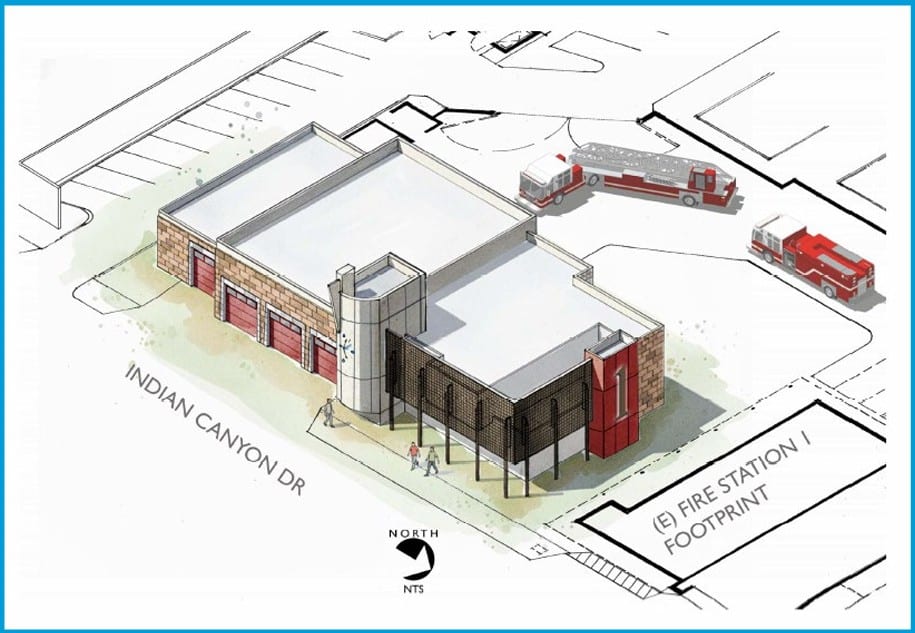
Palm Springs is advancing plans to rebuild or renovate three fire stations that have served the community for decades but no longer meet modern standards, with construction on the downtown facility targeted to begin this year.
Fire Chief Paul Alvarado presented conceptual designs to the City Council last week for Fire Station 1 on Indian Canyon Drive, Fire Station 3 on East Racquet Club Road, and Fire Station 5 on Bolero Road, facilities that range from 44 to nearly 70 years old.
Local reporting and journalism you can count on.
Subscribe to The Palm Springs Post
“We’re building these fire stations for the people who aren’t working for the city of Palm Springs yet,” Alvarado told councilmembers. “I have no female firefighters working for the fire department, so it’s very important that we’re also thinking about the people who don’t have a voice yet.”
All three stations currently lack gender-inclusive facilities, with single bathrooms and shared sleeping areas where everyone bunks together. The proposed designs include individual sleeping quarters with assigned restrooms for different genders, addressing a key barrier to recruiting female firefighters.
Fire Station 1, built in 1957 and approaching 70 years old, is deemed a historic site that cannot undergo major renovation. The city evaluated seven potential locations for a rebuild, including parking lots, Frances Stevens Park, tribal property, and allottee lands, before determining the current location on Indian Canyon actually best serves downtown response times.
“Seventy years ago, a small station served a couple people well,” Alvarado said. “But … we have vertical growth in downtown [and] expanding call volume, it’s important that we meet those needs with a modern fire station and staffing.”
The proposed design would construct a new facility on seven adjacent parcels, including parking lot space, while preserving the historic Albert Frey-designed building. The new station would more than triple the crew quarters from three firefighters to 10 and more than double the apparatus bay to accommodate four bays for modern equipment, including ladder trucks needed to reach upper floors of downtown hotels and buildings.
“Even the Thompson Hotel, we could look at that – three, four stories – but the setback is so far, it requires a long ladder just to reach if we had to rescue people from the upper floors,” Alvarado said.
Architect Maria Song said the design allows firefighters to remain in the existing 1957 building during construction, with crews able to move into the new facility over a single weekend when complete. The design includes multiple access points from both Palm Canyon and Indian Canyon for emergency vehicle circulation.
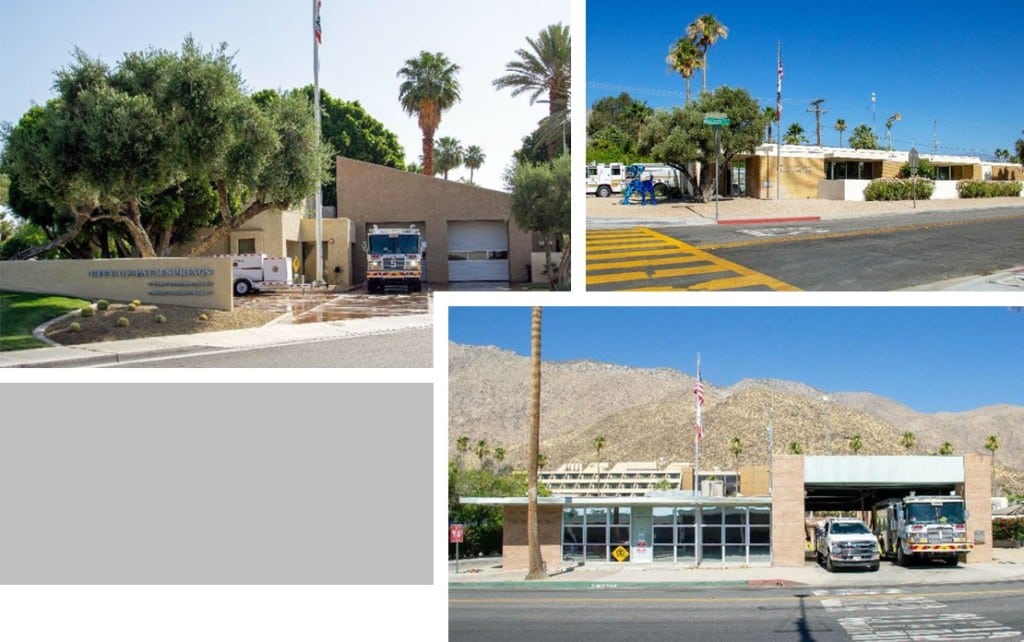
Fire Station 3, just over 60 years old, is also deemed a historic site and is too small for current fire service needs. The proposed plan adds approximately 20% to the building’s footprint, including six individual sleep rooms with private restrooms, new kitchen and fitness areas, and improved apparatus bay access.
Fire Station 5, at 44 years old, was described as undersized, worn, in poor condition, and lacking drive-through capability, requiring fire engines to back in every time they return. No architectural work has been completed yet for that facility.
City Manager Scott Stiles said the city is not asking for council approval at this stage but wanted to provide an update on the design process and receive feedback. The next steps include community meetings and open houses, followed by a request for proposals for a progressive design-build agreement with a guaranteed maximum price.
The downtown fire station expansion would reduce public parking in that area by approximately two-thirds, though Song said the design relocates about 35% of current parking spaces and adds 10 spaces for firefighter parking within the fire station campus.
Councilmember Ron deHarte emphasized the importance of addressing all three stations.
“If we are going to address the other key stations in the city, we cannot not address [fire station 5], or we’re never going to get there,” deHarte said. “It’s going to be 25 years from now and then our firefighters are going to be living in conditions that are just beyond anything that we should expect anybody to be working in.”
Authors


Related Articles
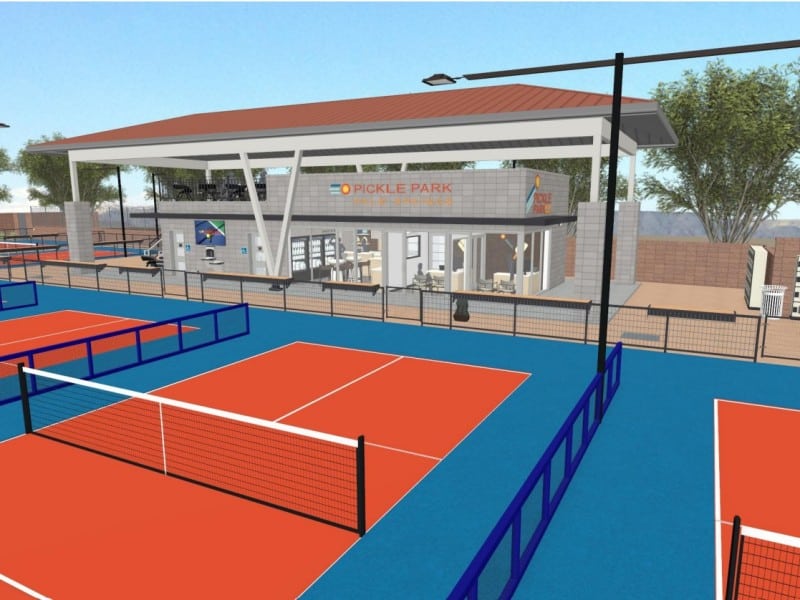
Architectural committee sends 16-court pickleball facility back for design restudy
ARC asks for design refinements, including reduced roof mass, entry changes and additional studies on shade, materials and acoustic fencing before the project returns for review.
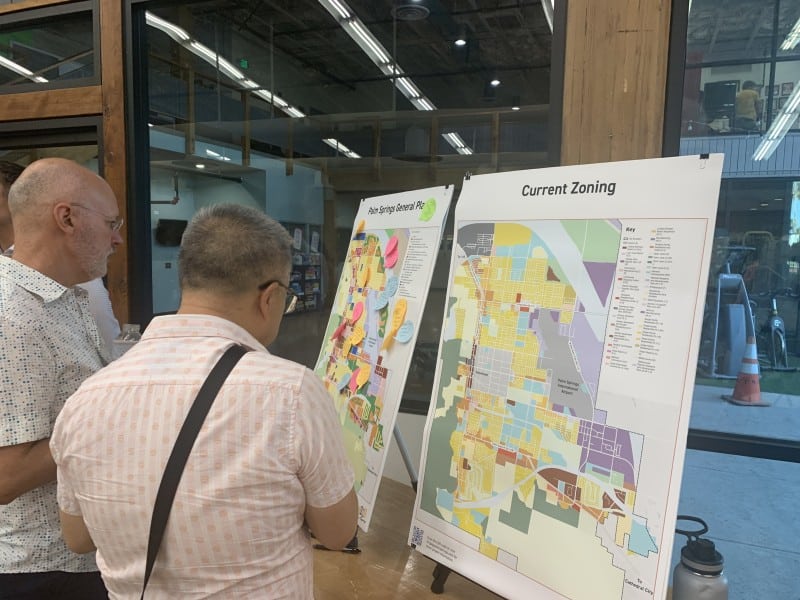
City schedules more community meetings on zoning overhaul, stresses nothing approved yet
An early draft of zoning changes calls for streamlining single-family home zones, allowing up to five stories along corridors like Tahquitz Canyon and South Palm Canyon, and boosting downtown heights to seven stories.
Palm Springs City Council upholds approval of 82-unit affordable housing project
Homeowners who submitted an appeal expressed concerns that residents of the apartments would be able to look down into their backyards from third-story windows.