
Palm Springs gives final approval to new rules governing co-owned homes amid controversy
The City Council’s 3-2 vote allows up to 30 co-owned properties with strict regulations, while future amendments aim to address ongoing concerns.

The Palm Springs City Council voted 3-2 Thursday evening on final approval of a new ordinance allowing up to 30 co-owned homes in the city, ending years of debate and negotiations with co-ownership companies like Pacaso.
The decision, which came after the ordinance’s second reading, includes strict regulations on noise, occupancy, and neighborhood density.
Local reporting and journalism you can count on.
Subscribe to The Palm Springs Post
Mayor Jeffrey Bernstein had hoped to postpone the vote, arguing there were still unanswered questions that could leave the city open to lawsuits from Pacaso or their owners.
The new regulations limit how many co-owned homes can be in each designated neighborhood and require them to be at least 500 feet apart. Neighborhoods that have already met the short-term vacation rental cap will not be allowed to have a co-owned home.
Additionally, co-owned homes must be valued at least twice the median home price, currently around $2.5 million.
Councilmembers and city attorney Jeffrey Ballinger addressed concerns about potential conflicts of interest that were raised by residents of the Vista Las Palmas neighborhood. Some councilmembers had received campaign contributions from an individual with ties to Pacaso, raising questions about whether they should recuse themselves from voting.
Ballinger clarified that state law prevents lawmakers who received such campaign contributions from voting on a license, permit, or other entitlement for use. Because councilmembers were voting on an ordinance, it does not apply.
The approval of the ordinance marks a shift in Palm Springs’ approach to co-owned properties, which have been a contentious issue in the city for years and previously frowned upon by city leaders.
Supporters of the ordinance argue that it strikes a balance between allowing co-ownership opportunities and protecting neighborhood character. They believe the strict regulations will prevent over-concentration of these properties and mitigate potential nuisances.
Critics, however, worry that even with the regulations in place, co-owned homes could still disrupt residential areas and drive up property values, potentially pricing out long-term residents.
The ordinance’s passage doesn’t mark the end of the discussion. Councilmembers have agreed to hear three amendments when they return from their August vacation.
These amendments include a provision that would force the issue to be brought back before the council within three years, allowing for a review of the ordinance’s effectiveness and impact.
Another proposed amendment concerns rules on daytime guests, addressing concerns about potential party houses or excessive noise during the day.
The third amendment seeks confirmation that Pacaso has no intention of suing the city, a move aimed at addressing Bernstein’s concerns about potential legal challenges.
These amendments reflect the council’s commitment to refining the ordinance and addressing ongoing concerns from both supporters and critics.
The co-ownership model, popularized by companies like Pacaso, allows multiple parties to purchase shares in a single property. Proponents argue it makes second-home ownership more accessible, while critics contend it can lead to a revolving door of short-term visitors in residential neighborhoods.
Author

Related Articles
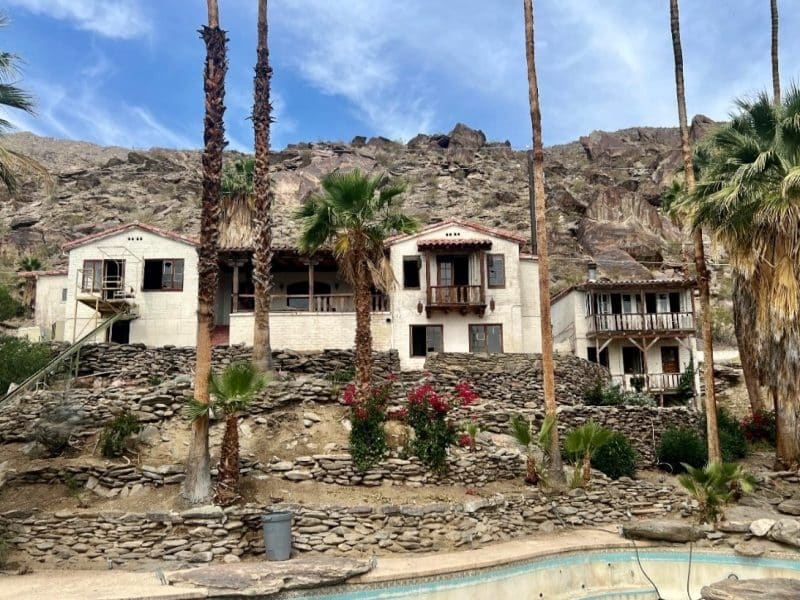
Historic board recommends landmark status for director Edmund Goulding’s ‘Little White House’ estate
The home, built eight years before the city of Palm Springs was incorporated, represents the Spanish Colonial Revival architecture that dominated in the interwar period.

Garner seeks re-election with focus on affordable housing, infrastructure, youth programs
Palm Springs native Grace Garner, the City Council’s most senior member, launched her campaign Sunday at Demuth Park and has already secured multiple endorsements.
Fire department plans open house as downtown parking concerns surface over Station 1 expansion
Business owners warn removing existing lot could harm foot traffic as city moves forward with modernization plans.