
Palm Springs City Council unanimously approves of proposed economic development plan
The council voted 5-0 following a study session that drew residents and business owners who largely praised the initiative but stressed that its success hinges on tackling housing affordability.
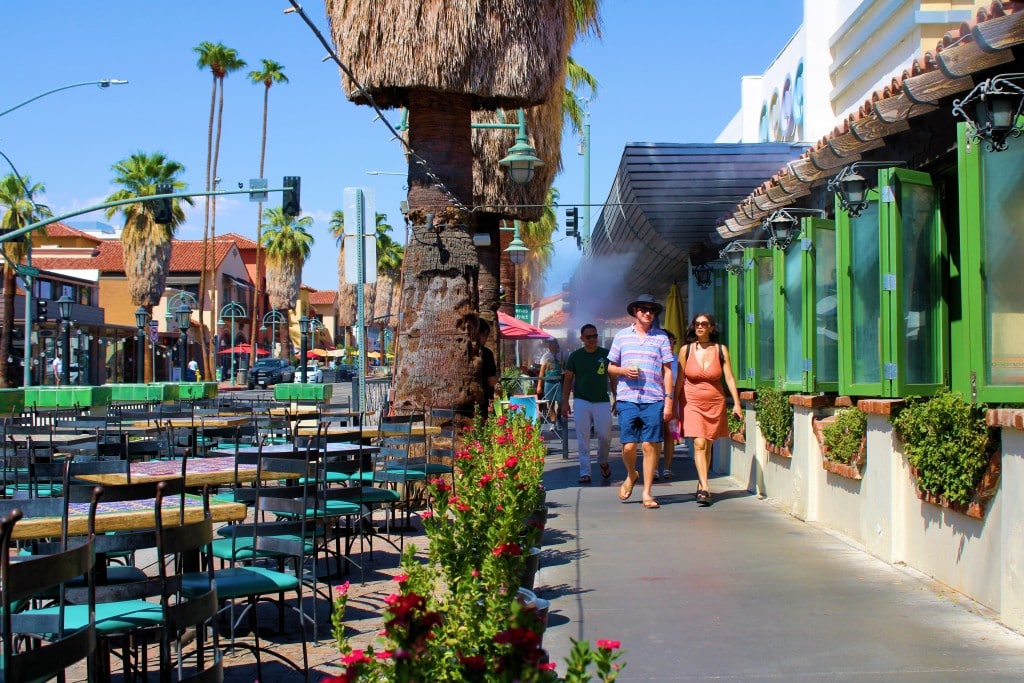
The Palm Springs City Council on Monday unanimously agreed to move forward with a new economic development strategic plan focused on diversifying the local economy, strengthening sustainability efforts and fostering year-round economic activity. Much of the early discussion centered on what many speakers described as the plan’s most essential ingredient: workforce housing.
The council voted 5-0 following a study session that drew residents and business owners who largely praised the initiative but stressed that its success hinges on tackling housing affordability.
Local reporting and journalism you can count on.
Subscribe to The Palm Springs Post
Philip Hodges told the council the city must address the cost of living if it hopes to benefit local workers.
“New jobs for people who can’t afford to live here is not a win,” Hodges said. “New jobs for Bay Area transplants like me is not really a win either. The real win is if a young family in Palm Springs today can build a career here, can afford to stay here, can see a future for their kids here.”
Longtime resident and former Architectural Advisory Committee member Kenny Cassady echoed that message, saying the city must accelerate efforts to provide attainable housing.
“The challenge is clear. We need to build more affordable homes,” Cassady said. “Recent rental projects are a step forward, but we also need home ownership pathways for the people who keep our economy running.” He added that nearby cities offer more opportunities for middle-class buyers and said Palm Springs could create similar options through targeted incentives, partnerships and zoning tools.
While housing dominated public comments, councilmembers also worked to correct misconceptions about the plan’s intent. Councilmember Jeffrey Bernstein rejected suggestions circulating in press reports and on social media that Palm Springs is turning away from tourism.
“I’ve seen some press reports and social media, that we are abandoning tourism or turning away from tourism, and I just want to reiterate that that can’t be further from the truth,” Bernstein said. “Our two biggest projects in the city are the airport and the convention center.”
Councilmembers then shifted to questions about implementation and accountability. The plan outlines 38 short-term actions to be completed within one to two years, 43 medium-term actions over three to five years, and 22 long-term transformational investments spanning five to 10 years.
Among the earliest steps, the city intends to spend $450,000 to contract with a management firm for a process and code audit and to hire a marketing team to develop an economic development marketing plan. Both items will return to council through separate request-for-proposal processes.
Several councilmembers stressed the importance of creating a structure to track progress. Mayor Pro Tem Naomi Soto suggested forming a committee or establishing a standing meeting to keep residents informed, while Councilmember David Ready emphasized the need to ensure the city dedicates sufficient resources to carry out the work.
For Councilmember Grace Garner, the plan represents not only an opportunity to attract young professionals but also a chance to persuade those who grew up in Palm Springs to stay—or return.
“There are kids who grew up here that leave and then come back, right? There’s me, and a lot of my friends, and a lot of those friends have come back and really invested in this city,” she said. “We left because we didn’t think that there was anything for us in Palm Springs, that there weren’t any jobs, there weren’t any opportunities, and it took us a while to get ourselves back, even though we always wanted to.”
Garner said keeping young people in Palm Springs will require improvements to infrastructure, walkability and shade—all of which are linked to the city’s ongoing zoning code update, expected early next year.
With Monday’s vote, city staff will bring back a formal ordinance and outline next steps for implementing the plan.
Author

Related Articles
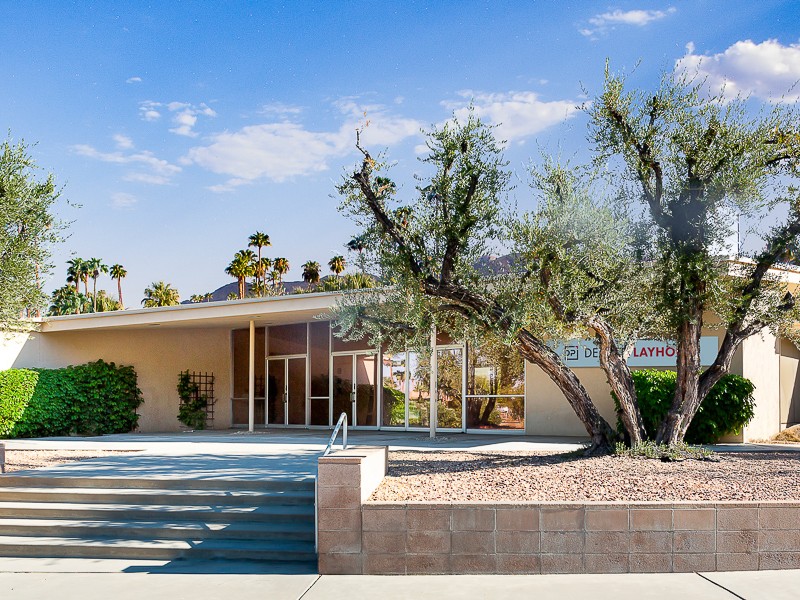
Palm Springs board approves historic designation for Albert Frey-designed church turned theater
Dezart Performs purchased the modernist First Church of Christ Scientist in December 2024 to use as its new playhouse; the City Council must grant final approval.
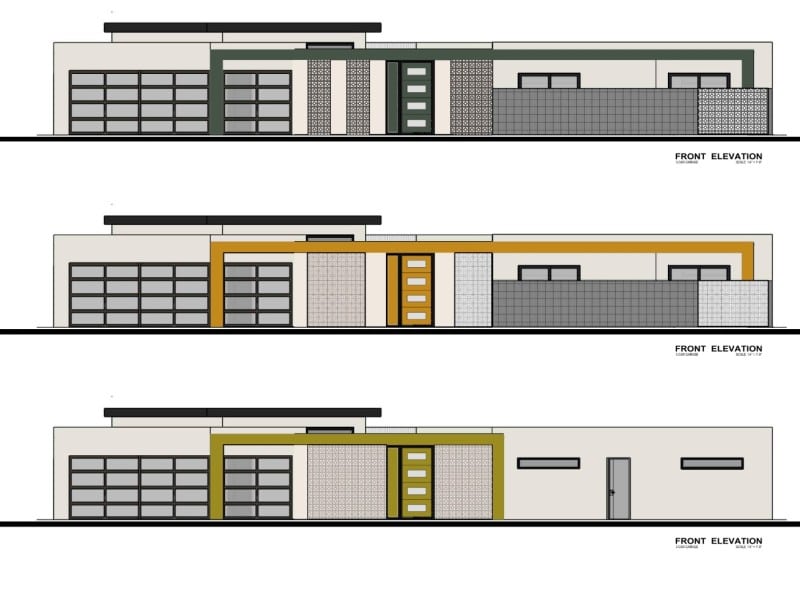
Architectural Review Committee sends back plans for eight-home development, votes for a restudy
The Architectural Review Committee preferred a monochromatic palette, rejecting a Planning Commission request for more color. “I just don’t want it to be atomic ranch and kitschy,” one member said.
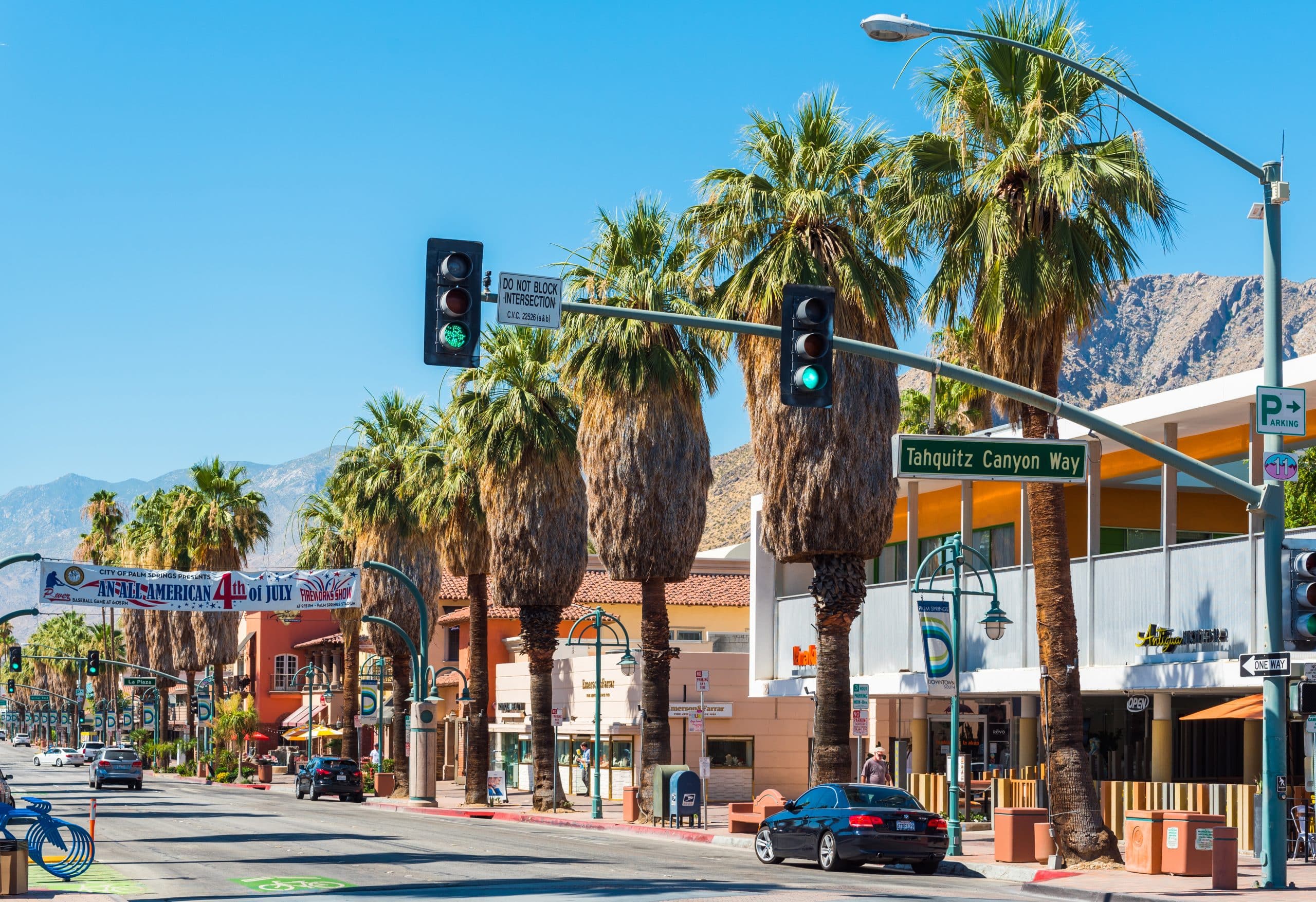
City on track to close fiscal year with nearly $7 million surplus, report shows
The city’s three core revenue sources — Transient Occupancy Tax, Property Tax, and Sales and Use Tax — are up a combined 11.5% from the prior year’s mid-year numbers.