
Palm Springs City Council approves ban on vehicle sales, rentals in public rights of way
The ordinance includes a narrow exception for residents occasionally selling their own vehicle near where it is normally parked, provided the vehicle is within one-tenth of a mile of the owner’s registered address.
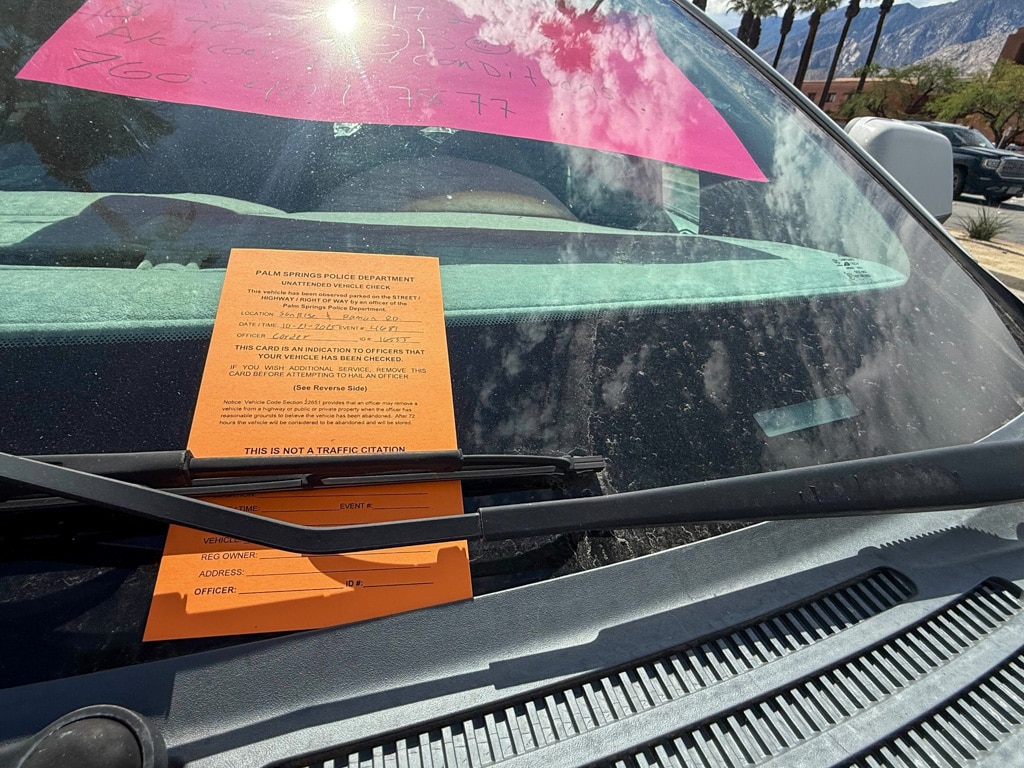
The Palm Springs City Council on Wednesday approved an ordinance that largely prohibits vehicle sales and rentals in the public right-of-way, responding to concerns that car-rental apps like Turo have led to an increase in cars parked along city streets for commercial purposes.
The ordinance aims to “promote traffic and pedestrian safety, and protect residential parking,” according to a city staff report.
Local reporting and journalism you can count on.
Subscribe to The Palm Springs Post
Palm Springs already has parking time limits and other related restrictions in place throughout the city, but enforcement has proven difficult.
“In practice however, residents and staff have reported ongoing challenges in addressing vehicle parking patterns associated with vehicle commercial activity, including circumstances where vehicles are moved short distances to avoid citation or where sign-based time limitations are not in place,” the staff report states. The city also has existing prohibitions on storing vehicles on city streets and on using them for repairs, waxing, and washing.
The new ordinance is “content neutral,” meaning a vehicle does not need to display an explicit “For Sale” or “For Rent” sign for the ban to be enforced. It bans “vehicle commercial activity” in the public right-of-way, defining that term to include “parking, standing, stopping, placing, or leaving a vehicle in the public right-of-way for the primary purpose of facilitating the sale, exchange, lease, or transfer of ownership of the vehicle for value, including conduct intended to coordinate viewings, inspections, test drives, or otherwise facilitate any such transaction,” according to the staff report.
Enforcement will be triggered when a vehicle is parked or left within the same 1,000-foot radius for more than 72 consecutive hours, “unless credible evidence demonstrates a lawful purpose unrelated to facilitating a commercial transaction.” Enforcement may also occur when city staff have independent reasons to believe a parked vehicle is for sale or rent — such as an admission by the owner or other supporting evidence.
“As we’ve experienced with Airbnb and VRBO, those apps sometimes provide the evidence itself,” said City Attorney Jeff Ballinger.
Ballinger also noted that commercial vehicle activity on private property could be addressed separately through the city’s zoning ordinance — for example, if a residential property is being used for vehicle rental activities.
Fines for violations start at $100 for a first offense, $250 for a second, and $500 for a third.
The ordinance includes a narrow exception for residents occasionally selling their own vehicle near where it is normally parked, provided the vehicle is within one-tenth of a mile of the owner’s registered address.
Author

Related Articles
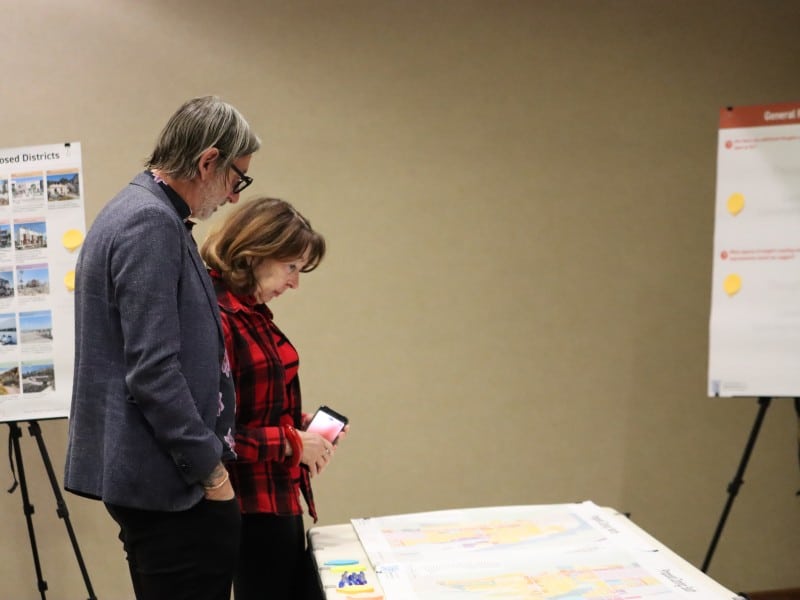
Palm Springs zoning update: Draft maps drew on disputed state guidance, officials say
Planning staff told the City Council Wednesday that draft maps showing buildings up to five stories tall were based on outdated state guidance, with major decisions still a year away.
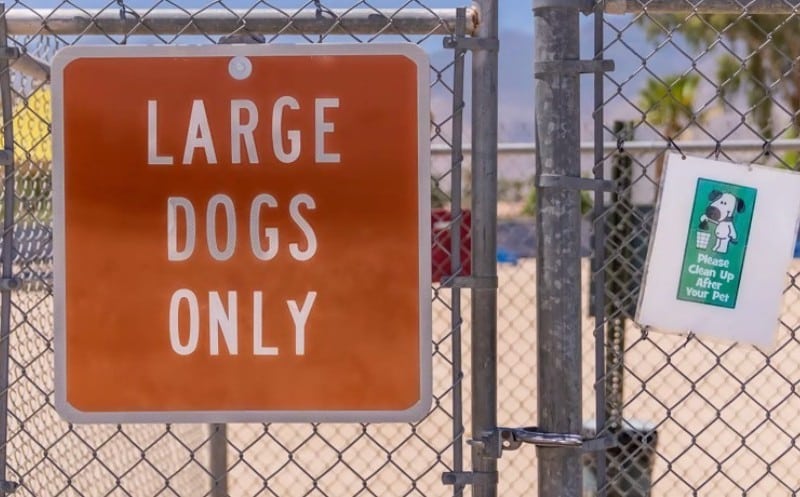
Demuth Park improvement project launching March 2, closing dog parks for months
The dog parks will be closed for most of the construction period, with residents asked to use the City Hall dog park while crews work toward an October completion.
Palm Springs appeals board moves to consider greater discretion in vacation rental cases
A representative of a local vacation rental group argued that treating every violation the same “undermines trust in the process.”