
City Council approves fee increases for city services after six-year gap
The new fee structure covers more than 500 city services and aims to achieve full cost recovery rather than subsidizing through the general fund, with officials citing inflation and personnel cost increases since the last fee study.

The Palm Springs City Council unanimously approved a comprehensive fee schedule update at its last regular meeting that will see some fees increase after a six-year gap since the last fee study.
The new fee structure, developed by consultant Willdan Financial Services, aims to achieve full cost recovery for city services rather than subsidizing them through the general fund. Assistant Finance Director Heather Cain said the increases reflect nationwide inflation and personnel cost increases that have occurred since the last fee study.
Local reporting and journalism you can count on.
Subscribe to The Palm Springs Post
“The last time the fee study was conducted was about six years ago, and salaries have increased by a significant amount since that time,” Cain said. “Those salary and benefit increases directly contribute to the proposed fee and the full request of full cost recovery.”
The schedule discussed Sept. 25 covers more than 500 different city fees, including services across multiple city departments including building and safety, fire, planning, police, parks and recreation, and engineering. Some fees that appeared to show dramatic increases were actually corrected during the meeting.
Staff said the Building Department’s new fee schedule is meant to be simple and fast — so applicants can see costs quickly and the system can auto-calculate — while rebalancing to actual costs (lowering fees for big projects like new homes and tenant improvements, raising smaller items like block walls and pools); local builders were supportive of the moves.
For the Parks & Recreation Department, a cost-of-service review and the Master Plan drive a clearer, flexible pricing range with seasonal rates, group/family/sibling discounts, and more consistent, competitive rental prices to meet rising demand and improve cost recovery.
The fee schedule establishes maximum rates the city can charge, but officials retain discretion to charge less in certain circumstances. For example, Mayor Pro Tem Naomi Soto requested that accessory dwelling unit (ADU) permit fees remain flat to support the city’s housing goals.
“We want to make ADUs as easy as possible in our city,” Soto said during the discussion.
One notable reduction came for domestic partnership registration fees, which Cain said would be set at $35 for registration and termination rather than the initially proposed $197 to avoid being prohibitive.
City Manager Scott Stiles noted that updating fees every five years is recommended by California code and helps prevent dramatic increases that can occur when fees fall behind actual costs. The fee study included eliminating obsolete fees and changing methodologies in the building department and parks and recreation.
“If we don’t increase the fees, then the general fund has to subsidize services that really only benefit one person or one small group,” said Willdan’s Mike Medved. “By setting these fees at cost recovery, we’re freeing up general fund money to do things that benefit the general public.”
The council also approved annual inflation adjustments to keep fees current with rising costs, avoiding the need for large increases in future comprehensive reviews.
The new fee schedule takes effect immediately. A preliminary — not final — version that was presented to the City Council can be viewed here.
Author

Related Articles

Concerns about convention center financing process addressed at Measure J commission meeting
The $135 million modernization plan includes using Measure J funds for debt service. The city is also pursuing a Tourism Improvement District to help reduce pressure on the general fund.
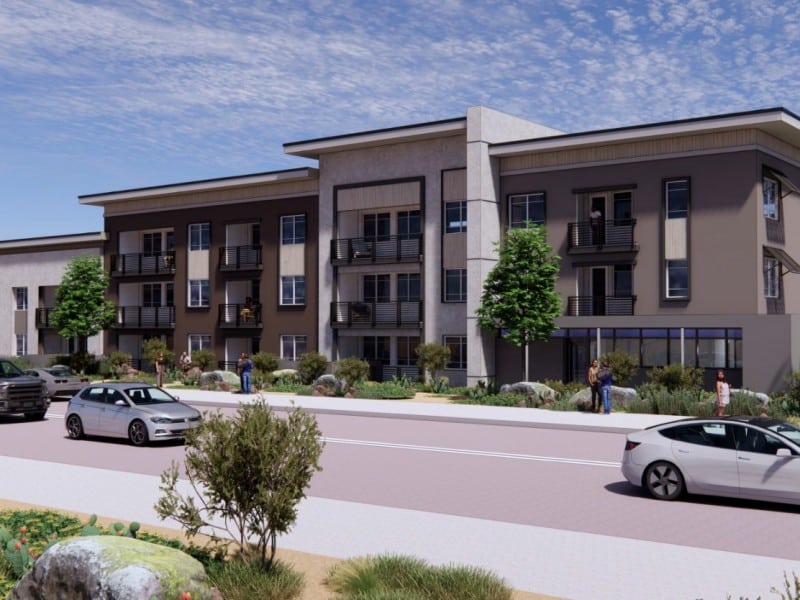
Palm Springs City Council upholds approval of 82-unit affordable housing project
Homeowners who submitted an appeal expressed concerns that residents of the apartments would be able to look down into their backyards from third-story windows.

Bogert statue to remain in storage after city voids Arts Commission decision
Worried that a Brown Act violation may have occurred during a November City Council meeting, the city attorney advised that a decision made about the statue at a Jan. 8 meeting of the Arts Commission be voided.