
Blue Zones Project aims to engage thousands of residents as it officially kicks off in Palm Springs
The project, based on research of the world’s longest-lived populations, focuses on creating environments where healthy choices become the easy choices through changes in restaurants, schools, workplaces and public policy.
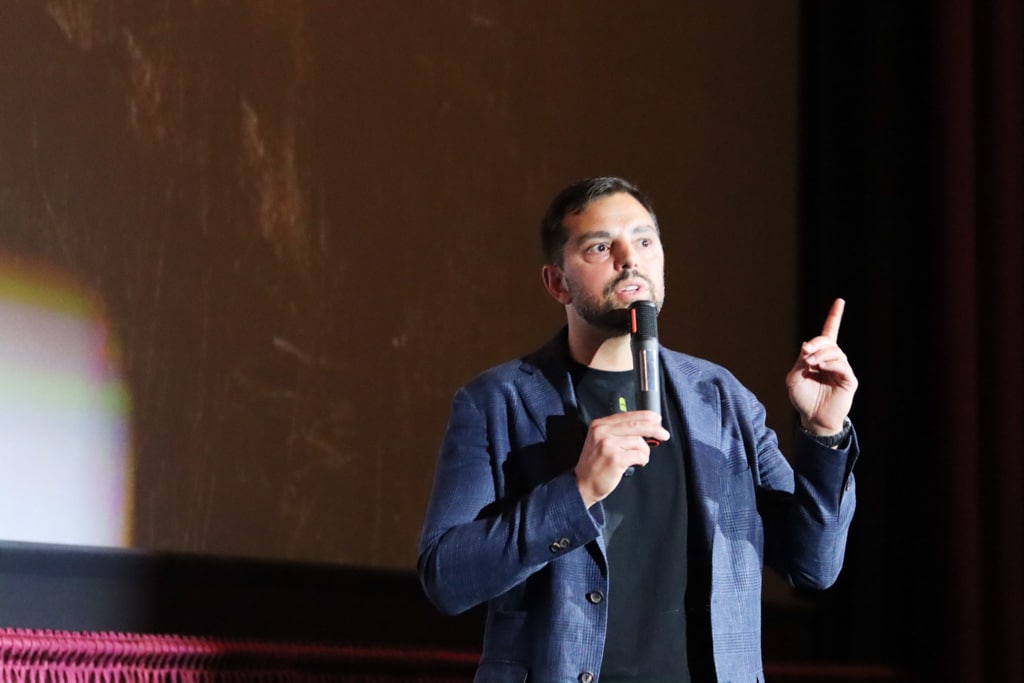
An enthusiastic and receptive audience of nearly 280 residents gathered Thursday evening at Festival Theaters in Palm Springs for the official launch of the Blue Zones Project, a three-year initiative aimed at transforming the city into a community where residents live longer, healthier lives.
The project, based on research of the world’s longest-lived populations, focuses on creating environments where healthy choices become the easy choices through changes in restaurants, schools, workplaces and public policy. City officials have agreed to contribute $60,000 per year to the effort during the next three years. Local healthcare organizations are providing a larger amount of funding.
Local reporting and journalism you can count on.
Subscribe to The Palm Springs Post
“Palm Springs is already known for its beauty, its diversity and its creativity. And compared to national averages, we’re doing quite well. But we all know we can do better,” said Martin Massiello, president and CEO of Eisenhower Health, one of the project’s key partners.
“With this initiative, we have the opportunity to build on those strengths and become a national model for what it looks like when a community truly commits to the health and well-being of all of its residents.”
The Blue Zones concept originated from research identifying five regions worldwide where people routinely live to 100 years old at rates far exceeding global averages. These “blue zones” include Sardinia, Italy; Okinawa, Japan; the Nicoya Peninsula in Costa Rica; Icaria, Greece; and surprisingly, a community of Seventh-day Adventists in nearby Loma Linda.
During his 45-minute presentation, Dan Buettner Jr., senior vice president and chief development officer with Blue Zones, explained that residents in these regions share common lifestyle elements: they move naturally throughout their day, eat predominantly plant-based diets, have strong social connections, and maintain a sense of purpose.
“None of these people were pursuing health or longevity or love or purpose or fellowship,” Buettner said. “It was ensuing as a byproduct of where they lived and who they lived with.”
The Palm Springs project sets an ambitious goal of engaging 15% of the population – approximately 6,000 residents – to create a tipping point for community transformation.
“When we did our blueprint in Palm Springs, we learned and developed this tipping point that for this community to shift, we’re going to have to engage 6,000 people, which is 15% of the population,” said Chris Ruetz, community engagement lead for the local effort.
The initiative focuses on three main areas: people, places, and policy.
The “people” component includes creating “moais” – social groups that walk together, share meals, and support each other in developing healthy habits. The project will organize potlucks, cooking demonstrations, and volunteer opportunities to strengthen community connections.
“We’re going to connect, so we’re going to talk, we’re going to get to know our neighbors,” Ruetz said. “Isolation is an issue. So let’s go beyond the hedges and meet our neighbors and connect.”
For “places,” the project works with restaurants, grocery stores, schools and workplaces to create healthier environments.
“We are working with large and small employers to help create healthier work environments,” said Franchesa Forrer, organization and well-being lead. “We’re going to create employees who become happier, healthier and more productive.”
The project is also partnering with Palm Springs Unified School District to support programs for students’ emotional, social and physical well-being, while creating similar support systems for teachers and staff.
The “policy” component addresses built environment, food systems, alcohol and tobacco through collaboration with city officials.

“In our blueprint, we actually have a policy recommendation to create a master shade plan,” said Diane Morales, public policy lead. “Wouldn’t it be great if we could take a walk during summer, enjoy our beautiful mountains, go hiking and not melt?”
Other policy initiatives include expanding farmers markets to address food deserts in northern Palm Springs and improving public transit to food sources throughout the city.
“People just don’t understand that if you don’t have a car it’s a really long and hard walk from the north side to Albertsons,” Morales said, quoting a resident’s feedback. “It’s hot and there is also a three-bag limit on Sunline.”
Palm Springs Mayor Pro Tem Naomi Soto closed out the session, emphasizing that that the project aligns with priorities residents have discussed for years.
“This work will be Palm Springs work by its very nature. It’s about bike lanes, it’s about active transportation, it’s about safe sidewalks, it’s about radical, beautiful shade,” Soto said. “It’s about access to healthy food, among so many other things that we have been talking about here in Palm Springs for years.”
The project will host its first community activity, a purpose workshop, on June 11 at the Mizell Center. Residents can also participate in a donation day on June 18 at The Center to help provide food for families in need.
“This is a community-led movement,” Soto said. “Your voice matters, your involvement matters, whether that’s on the policy level, whether that’s in your workplace, talking to your neighbors, whatever you feel most comfortable in, wherever you want to share that energy and purpose, there’s a space for you in this work.”
Author

Related Articles
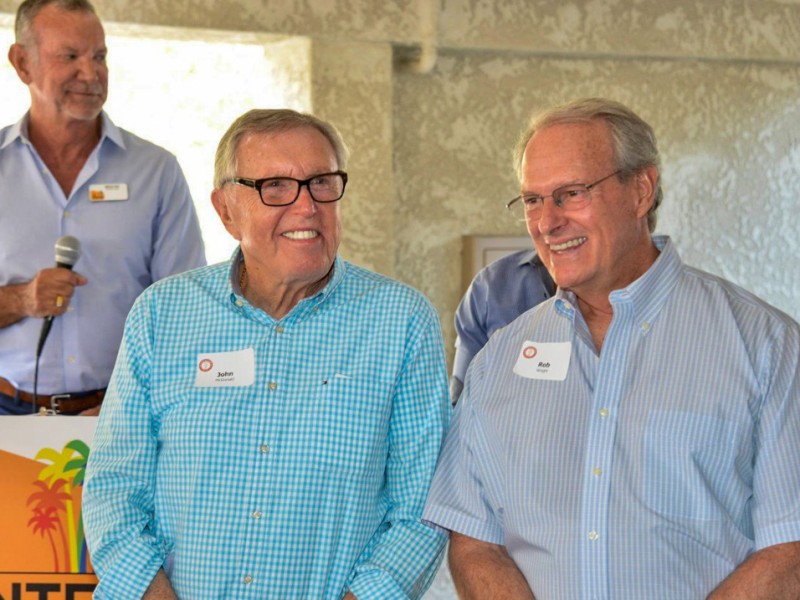
John McDonald, philanthropist who gifted building to LGBTQ Center of the Desert, dies at 93
McDonald, a former healthcare executive turned philanthropist, spent decades supporting LGBTQ+ causes across California alongside his husband, Rob Wright.
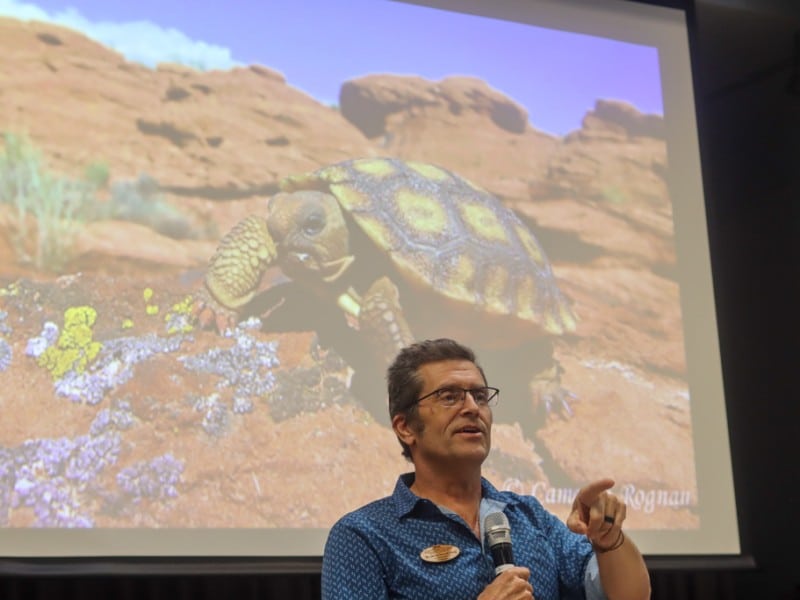
‘Rip out the grass’: Desert expert says residents can help save native species with simple yard changes
Speaking at a Mizell Center talk hosted by the city library, The Living Desert’s Dr. James Danoff-Burg pointed to a beetle found only in Palm Springs as a vivid example of what’s at stake in preserving Coachella Valley biodiversity.
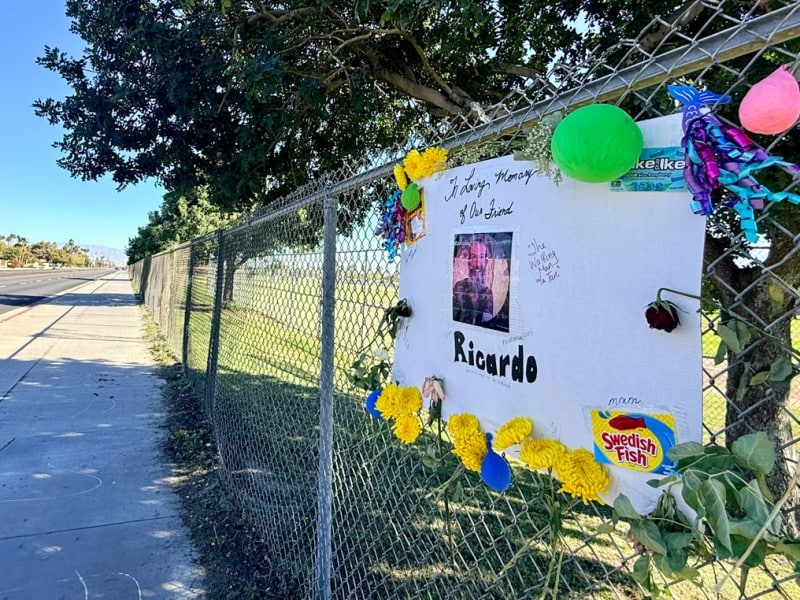
Neighbors, community honor ‘Walking Man’ Ricardo Marano with memorial walk, vigil
Those who knew him and strangers alike came together to remember a man seen daily across the city — and to talk afterward about keeping pedestrians safe.