
‘Beautiful shade’: Proposal could see public art and utility united, provide health benefit
By combining attractive public art with functional structures, the city would improve its “shade equity,” providing everyone access to safe and comfortable outdoor areas.
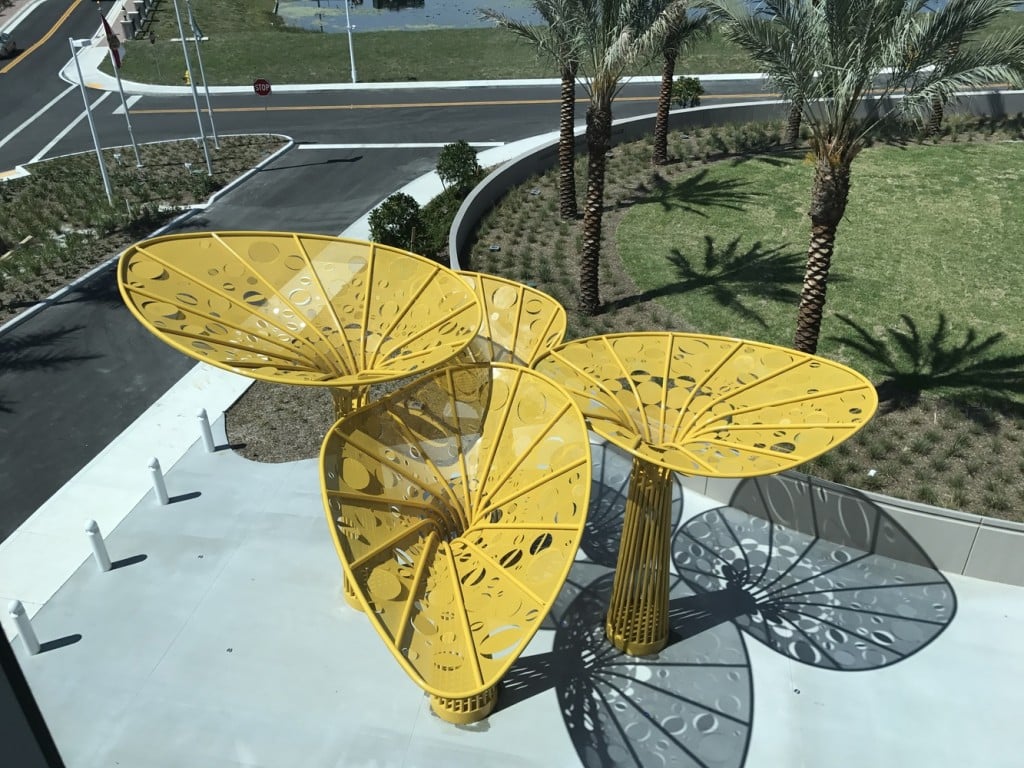
Hoping to transform the landscape of city parks, some community leaders have floated the idea of public art with a purpose.
At issue is that, even as we bask in comfortable 70-degree, sunny weather each winter, we all know the punishing desert sun will be back in the summer. Because palm trees can only offer so much shade, the city has stepped up to try and provide some relief. But the efforts have resulted in primarily utilitarian shade structures using large poles and fabric over public areas like playgrounds.
Local reporting and journalism you can count on.
Subscribe to The Palm Springs Post
Still, something is better than nothing. While heat exhaustion and even heatstroke can start to set in after too long in the sun, shade can reduce heat stress in the body by up to 30%. Shaded surfaces can be up to 45 degrees cooler than the hottest unshaded surfaces, reducing the urban heat island that occurs in areas heavily built up with concrete and asphalt.
In many cities, people of color and low-income residents are disproportionately affected by heat-related illnesses due to the unequal distribution of shade and vegetation.
But Gary Armstrong, chair of Palm Springs Public Arts Commission, thinks there could be a better way. Armstrong presented the “Beautiful Shade” idea to the Palm Springs Sustainability Commission last week.
The idea is to combine attractive public art with functional shade structures to improve the city’s “shade equity,” ensuring everyone has access to safe and comfortable shaded areas while also bringing in more public art.
Armstrong pointed to Victoria Park, James O. Jessie Desert Highland Unity Center, and Demuth Park as parks high on the list to receive these structures. He said initial designs and prototypes could be paid for with Arts Commission funds. Later, manufacturing of the pieces could be funded by Measure J taxes or other city funding.
Tom Dolle, creative director at Tom Dolle Design, has floated the idea of artistic shade structures to Palm Springs City Council members and other city leaders as a part of his pitch to transform Sunrise Park.
Another part of Dolle’s presentation brought up the city’s need for water features and children’s splash pads like the ones found in almost every neighborhood in Houston.
Councilmember Christy Holstege asked Parks and Recreation Director Yvonne Wise about ensuring water features were prioritized in the forthcoming Parks Master Plan. That issue is of particular concern to parents of young children in the city.
Wise assured Holstege that water elements are being considered and that the department may soon create a water play feasibility team to figure out how best to incorporate water features into most or all city parks.
Author

Related Articles
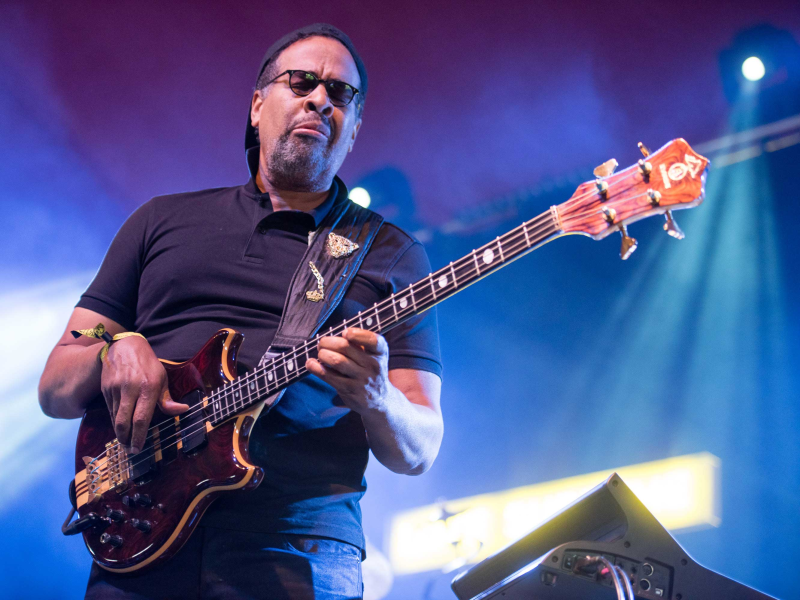
When the bass steps into the spotlight
At the Palm Springs International Jazz Festival, an instrument long consigned to the background becomes the through line of a century of jazz history — from New Orleans parades to fusion, funk and the future.
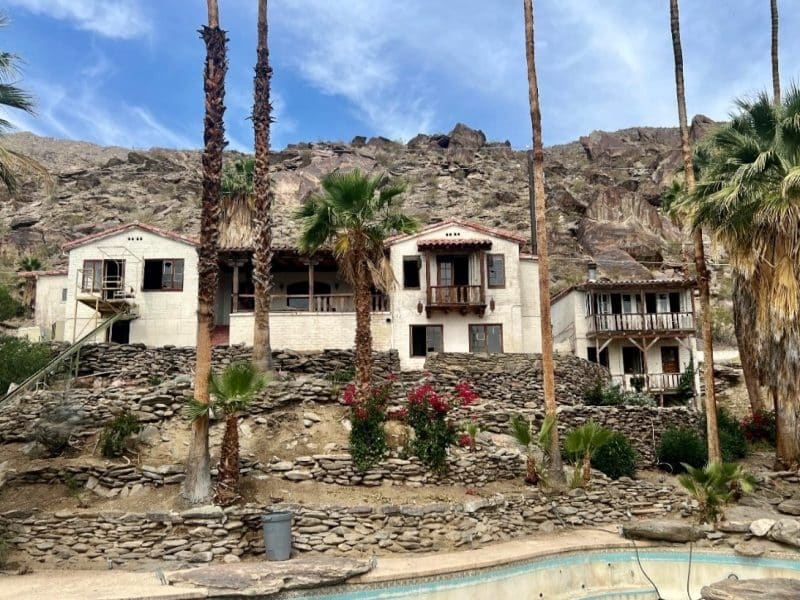
Historic board recommends landmark status for director Edmund Goulding’s ‘Little White House’ estate
The home, built eight years before the city of Palm Springs was incorporated, represents the Spanish Colonial Revival architecture that dominated in the interwar period.
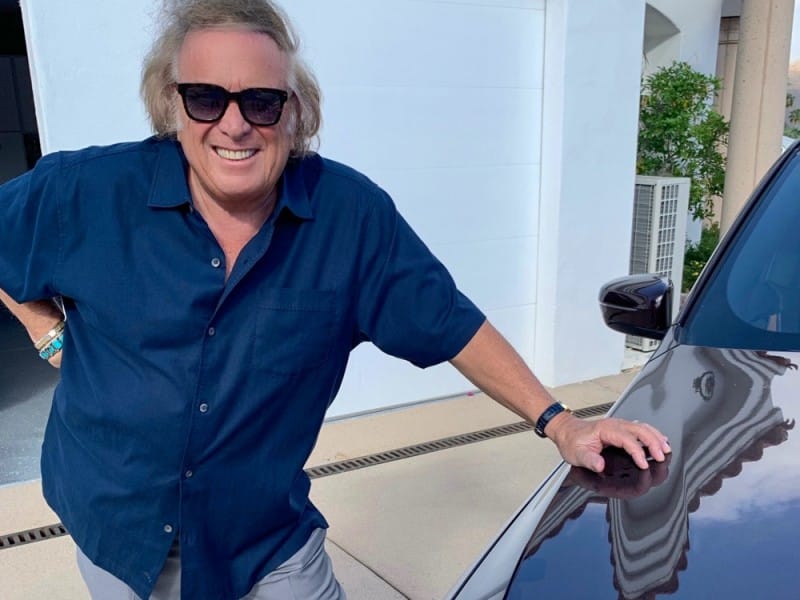
Don McLean brings a lifetime of song to the Plaza Theatre
Ahead of his Palm Springs show, the “American Pie” songwriter reflects on six decades of music, creative independence and why he’s still performing at 80.