
Arts Commission begins weighing new rules to distinguish public art from memorial works
A subcommittee reviewed public arts ordinances from 25 California cities but found that few choose to subdivide their collections.
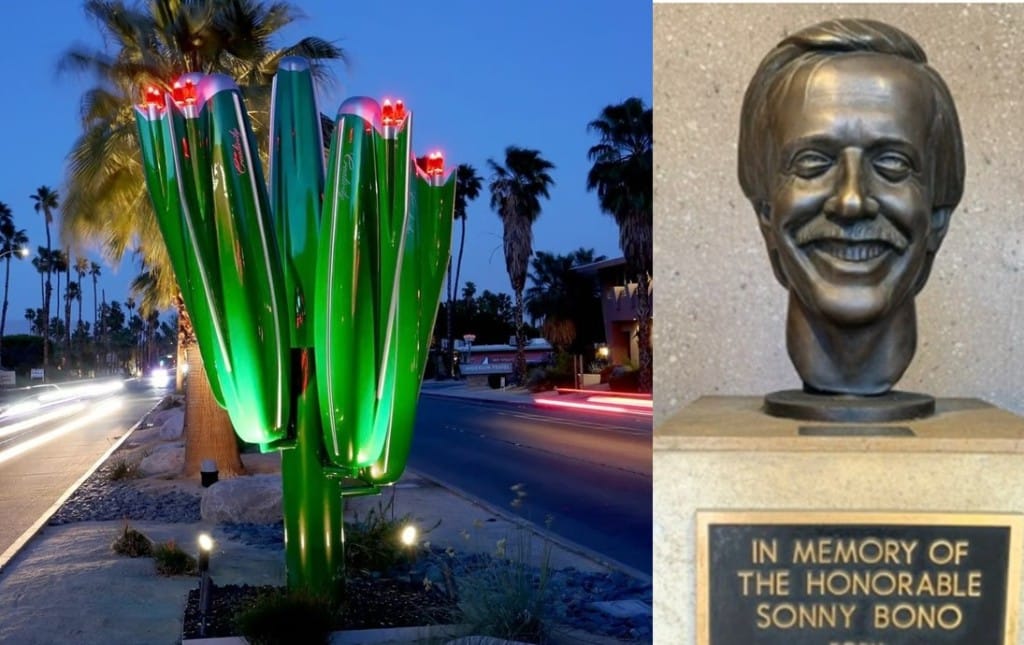
The Palm Springs Public Arts Commission on Thursday discussed details of a proposal to split the city’s arts collection into two categories: one for commemorative or memorial pieces, and another for public art.
In July, the commission decided to rename the city’s art holdings as the Palm Springs Art and Culture Collection, creating two separate categories. The public art collection will include curated pieces chosen through the city’s existing process, while the cultural collection aims to house civic and commemorative works that are often donated to the city outside of the typical approval process.
Local reporting and journalism you can count on.
Subscribe to The Palm Springs Post
A subcommittee working on recommendations for how to define commemorative works shared its findings Thursday. The subcommittee reviewed public arts ordinances from 25 California cities but found that few choose to subdivide their art collections. Two exceptions are Los Angeles and San Francisco, which each have a separate “memorial” subcollection.
“What we’re doing is we’re classifying our architecture collection into two pieces: Civic art… and then memorial or commemorative art,” said one commissioner. “They’re equally important. You don’t get a demotion because your art piece was moved to the memorial collection. They’re equally as important, and they carry the same weight.”
Proposed eligibility criteria for commemorative works include that the subject’s local or regional significance be demonstrated. For works depicting actual people or historical events, the individual must have been deceased or the event must have occurred at least five years prior, although commissioners also discussed the possibility of allowing works honoring more recent events or individuals who are not yet deceased.
The proposed site of the commemorative work must be “contextually appropriate,” and the work “must not duplicate an existing commemoration within the city.” A long-term maintenance plan and signage must be provided.
Any proposed new works for the collection would still be considered for approval by the Public Arts Commission, and the works must come from a formal gift, donation, or commission. Proposed works must go through the regular application and approval process and must show documentation of adequate funding and demonstrate meaningful public engagement.
Author

Related Articles
Palm Springs Arts Commission approves new process for categorizing city art
The new subcollection will be called the Commemorative Collection, and the commission has spent the past several months discussing the best criteria to distinguish a commemorative work from other pieces of public art.
Remembering Billy Steinberg: Hitmaker, farm kid and Palm Springs original
From “Like a Virgin” to “True Colors,” Steinberg shaped pop history — but in Palm Springs, he was a rock rebel and loyal friend who never forgot his roots.
When the bass steps into the spotlight
At the Palm Springs International Jazz Festival, an instrument long consigned to the background becomes the through line of a century of jazz history — from New Orleans parades to fusion, funk and the future.