
‘A moment of healing and justice’: Transfer of land to Agua Caliente tribe part of historical shift
The return of 320 acres, combined with 280 acres returned last April, brings the total amount to 600 acres of ancestral land once again in control of the Agua Caliente Band of Cahuilla Indians.

For the second time this year, the State of California Coachella Valley Mountains Conservancy (CVMC) has returned a parcel of ancestral land back to the Agua Caliente Band of Cahuilla Indians. This return of 320 acres, combined with a 280-acre transfer made by the Friends of the Desert Mountains with the help of the conservancy last April, brings the total amount to 600 acres of ancestral land back in tribal control.
“It is a very special day,” proclaimed Agua Caliente Tribal Chairman Reid D. Milanovich in an opening statement at a news conference marking the land transfer Tuesday at the tribe’s Cultural Museum in Downtown Palm Springs. “We are honored, and we are proud to be the recipients of 320 acres of land donated to the Agua Caliente Band of Cahuilla Indians.”
Local reporting and journalism you can count on.
Subscribe to The Palm Springs Post
Milanovich thanked the conservancy for respecting and honoring the fact that the land has belonged to the Agua Caliente people for thousands of years.
“It’s a major achievement, a major step forward for two governments working together in the state of California and our tribe. … We see what happens with positive relationship building and what can be done when we work together,” Milanovich said.
This is the first direct tribal land-back transfer for the conservancy, a state agency founded in 1991 that protects the Coachella Valley’s natural and cultural resources.
“No one has done a better job of that since time immemorial than the Agua Caliente Band of Cahuilla Indians,” said Elizabeth King, the conservancy’s executive director, as she described the unique flora and fauna located in the valley and the animals who depend on untouched and protected land.
“Unlike most places in the world, nature is still here, and it depends on our partnership and stewardship to continue to thrive. Today is a moment of healing and justice.”
The land transfer is part of a larger state effort to right the wrongs done to Native Americans over the past two centuries. That effort began in June 2019 when Governor Gavin Newsom invited tribal leaders to Sacramento and offered an unconditional apology on behalf of the state for the history of land dispossession, discrimination, and violence against California Native American tribes.
Newsom read from the Inaugural Address of California’s first governor, where a financial bounty, paid for by the state, was placed on the heads of native women and children. His apology was the first time a California governor formally acknowledged the state’s historical mistreatment of Native Americans.
“This is a big moment, not just for my tribe, but I believe, for the state as well. To have this land donated back into the rightful hands of the Agua Caliente people in order to preserve and conserve these lands, that’s amazing.”
— Agua Caliente Tribal Chairman Reid Milanovich
“Tribal leaders and the governor agreed that if that apology was all that we accomplished in the administration, the governor’s administration, it wouldn’t be nearly enough, and ultimately would be counterproductive,” said Wade Crowfoot, secretary of the California Natural Resources Agency, which oversees the conservancy, during remarks on Tuesday.
In acknowledging that agencies like the one he leads historically perpetuated that disconnection, dispossession and discrimination, Crowfoot said, “What we needed to do from that reckoning, from that acknowledgement, is listen and learn from our tribal partners and ultimately act to redress those historic wrongs.”
According to Crowfoot, Newsom formed a Truth and Healing Council led by the first-ever cabinet-level tribal affairs secretary, Christina Snider-Ashtari. Agencies like the California Natural Resources Agency then began to reshape their mission to redress those wrongs, build tribal partnerships, and respect tribal leadership on their mission.
Part of that is California’s 30 by 30 initiative, which aims to give back 30% of ancestral land by 2030, which Governor Newsom signed as an executive order in the fall of 2020.
Crowfoot said California is driving a global movement, and conservancies like the CVMC are on the forefront. Four months after California’s executive order was signed, President Joe Biden followed suit with a national 30 by 30 initiative.
Within two years, through the United Nations treaty process, virtually every country in the world committed to a treaty to protect biodiversity that called for 30% of the globe to be protected by 2030.
“This is a big moment, not just for my tribe, but I believe, for the state as well,” Milanovich told The Post, expressing excitement to begin looking at ways to better maintain cultural resources on the land and pull information on how to better preserve it moving into the future.
“To have this land donated back into the rightful hands of the Agua Caliente people in order to preserve and conserve these lands, that’s amazing.”
Author

Related Articles
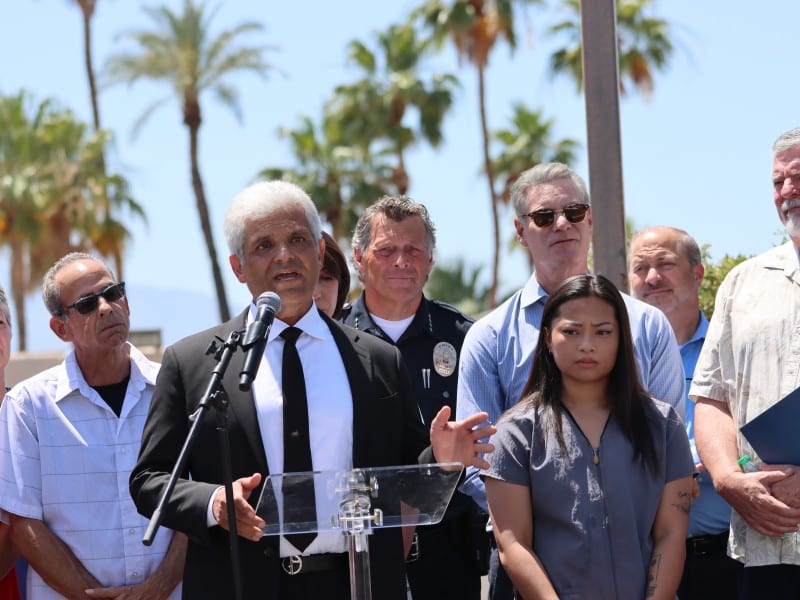
Readers name fertility-clinic bombing as Palm Springs’ biggest story of 2025
Taken together, the responses to our annual poll tell the story of a community shaken by an act of violence and bracing for a year defined by competing pressures — economic, political, and environmental.
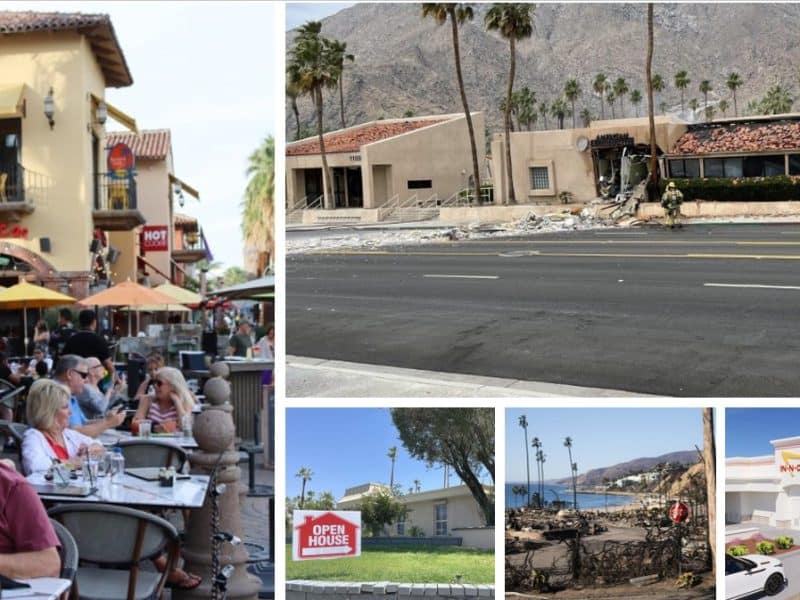
Palm Springs 2025 Year in Review: Our top 5 stories
Your clicks told a story of a year defined by crisis, change, and a few surprises — including Palm Springs’ most anticipated hamburger.
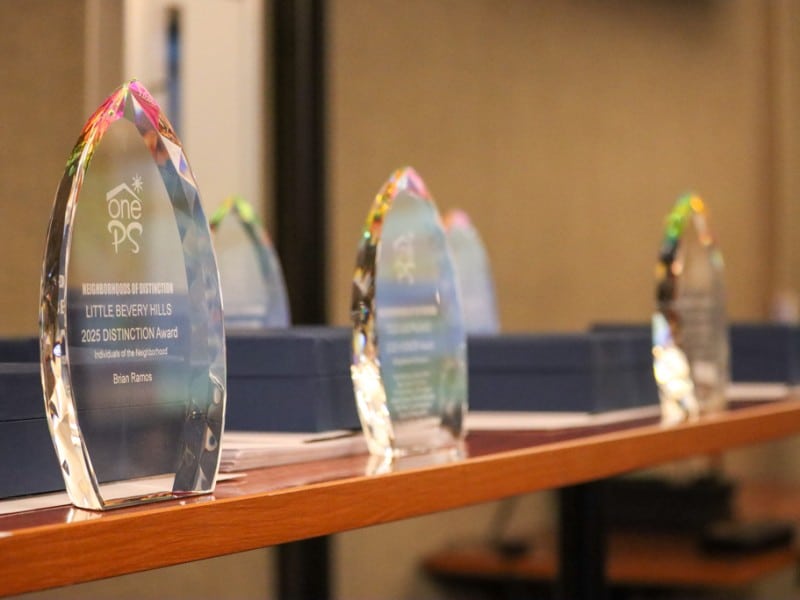
Palm Springs neighborhoods, residents honored at inaugural Distinction Awards
Four individuals and four neighborhoods were recognized for their efforts during the past year at what organizers hope will become an annual ceremony.