
After shift in leaf blower enforcement strategy, city sees fewer repeat violations
After years of citing landscaping workers with little effect, the city began holding property owners accountable in 2024 — and the approach is producing results, code compliance officials told the Sustainability Commission Tuesday.
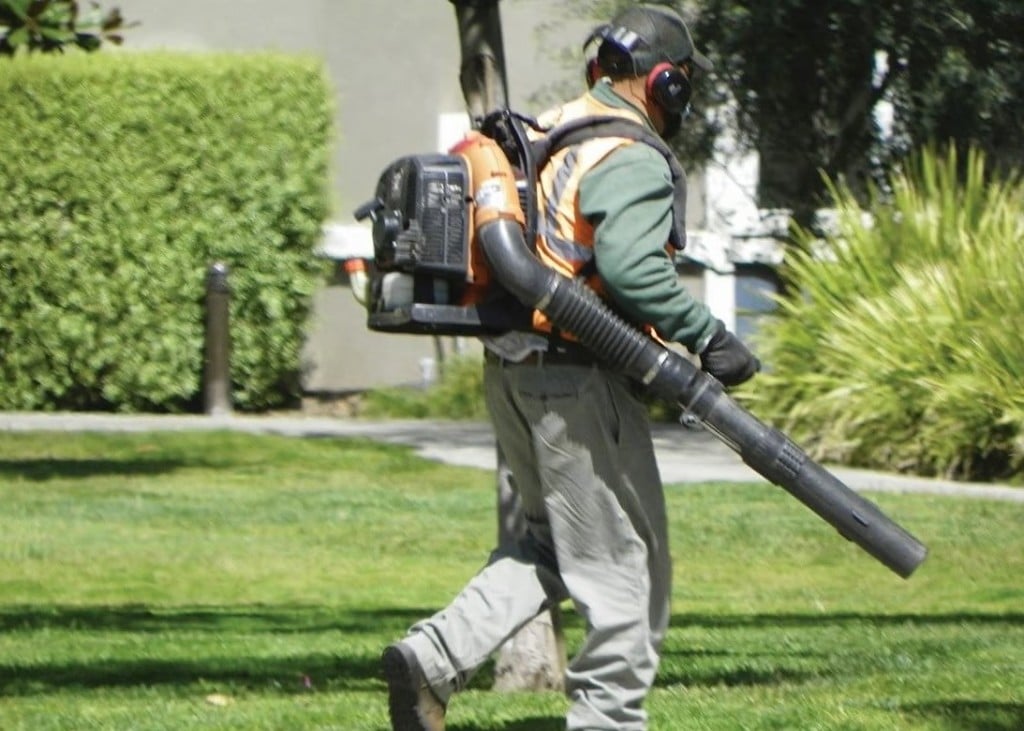
A Palm Springs code compliance official told the city’s Sustainability Commission Tuesday that a strategic shift in enforcing a gas-powered leaf blower ban has produced an increase in citations and a reduction in repeat violations since the change took effect in 2024.
Mitch Nabhan, code compliance supervisor for the city’s Department of Special Program Services, presented three years of enforcement data to the commission, saying the department moved away from a compliance-by-education model and toward more assertive enforcement at the start of 2024.
Local reporting and journalism you can count on.
Subscribe to The Palm Springs Post
“In the beginning of 2024, the code compliance department made a bit of a shift in our enforcement strategy,” Nabhan said, noting that the earlier approach of outreach, engagement, and warnings “didn’t see a big compliance atmosphere kind of taking over.”
The data Nabhan presented showed that total complaints received increased about 7% from 2023 to 2024, and another 15% from 2024 to 2025. Code cases opened saw modest increases over the same period. Citations, however, jumped sharply — from 28 issued in 2023 to higher numbers in each of the two subsequent years — reflecting the department’s more assertive posture.
A key element of the 2024 strategy shift was redirecting enforcement away from landscaping workers and toward property owners. Nabhan said the city’s municipal code treats noise ordinance violations — where the prohibition on gas-powered leaf blowers is codified — as strict liability administrative offenses, meaning property owners are responsible for violations that occur on their property regardless of whether a contractor committed them.
The earlier approach of citing landscaping companies directly had run into significant practical obstacles. Workers in the field rarely carried identification, language barriers complicated enforcement interactions, and landscaping companies operated across multiple cities throughout the day, making it difficult to keep gas-powered equipment off their trucks entirely.
“They knew that there wasn’t really any consequence to using it,” Nabhan said, adding that word had spread through the landscaping community that the likelihood of being caught during the brief window of actual use was small, and that even if an officer did arrive, the worker would simply stop and switch to an electric blower.
When the city began sending certified notices to property owners in early 2024, Nabhan said his office was flooded with calls from owners who were unaware the ordinance even existed, despite it having taken effect in 2019.
“I probably got 50 phone calls the first four months,” he said. “Is this a new rule?”
Many of the property owners who contacted the department after receiving a $100 notice of violation indicated they lived outside of Palm Springs and were unaware of what equipment their landscapers were using. That feedback prompted the department to explore sending a citywide mailer to residents as an additional outreach measure.
Despite the challenges, holding property owners accountable produced results. Repeat violations for specific properties declined, and many owners told the department they had warned their landscapers that a second violation would cost the worker the account.
“Having that engagement with them, having that sink in with them, really helps to motivate them to not do it, at least on that property,” Nabhan said.
Of the approximately 522 code cases opened in 2024 and 2025 combined, Nabhan said 258 were documented as proactive enforcement actions, while 264 were complaint-based — an almost even split. He noted that proactive enforcement is often informed by prior complaints, with officers targeting locations and times identified through earlier reports.
Code officers work seven days a week, with shifts beginning as early as 6 a.m. and running as late as 1 a.m., giving the department the ability to respond to reports on weekends when violations are most likely to occur in residential areas.
On the complaint side, Nabhan said gas-powered leaf blowers are consistently the top reported concern the city receives every month. A significant share of complaints are submitted anonymously — 54% in 2023, 68% in 2024, and 51% in 2025 — which limits the department’s ability to follow up with reporting parties or inform them of outcomes.
The department has worked to encourage residents to include contact information and photographs with their reports. The share of reports that included contact information rose to 33% in 2025. When a submitted photo substantiates a complaint even without a direct officer observation, the department sends a courtesy notice to the property owner.
Nabhan also told commissioners that the city offers grants of up to $750 to help landscaping companies offset the cost of purchasing commercial-grade electric leaf blowers, and that officers routinely direct landscapers to the sustainability department’s resources during enforcement contacts. The department provides outreach materials in English and Spanish, and officers use translation apps in the field to work through language barriers.
Author

Related Articles
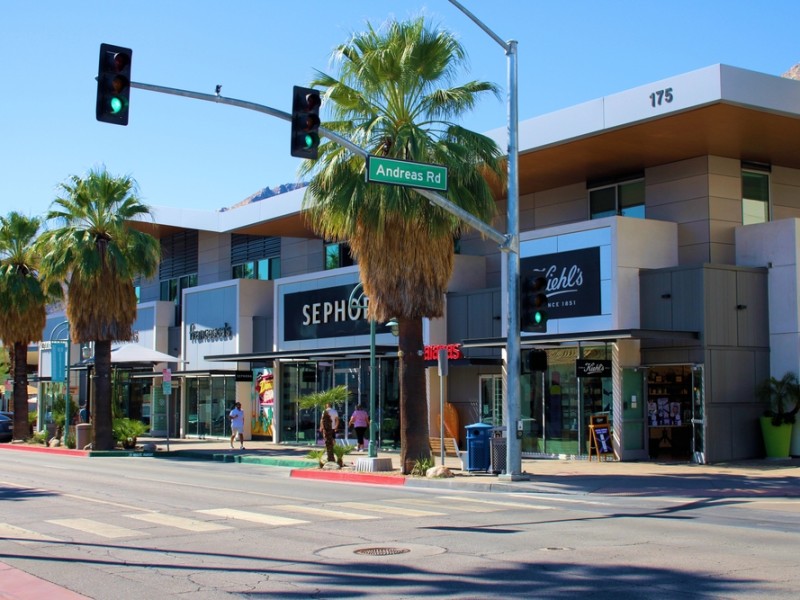
City plans to study downtown walk buttons, Belardo bike markings in safety plan
Members of the Active Transportation Subcommittee this week urged faster action on pedestrian crossings and shared-lane confusion.
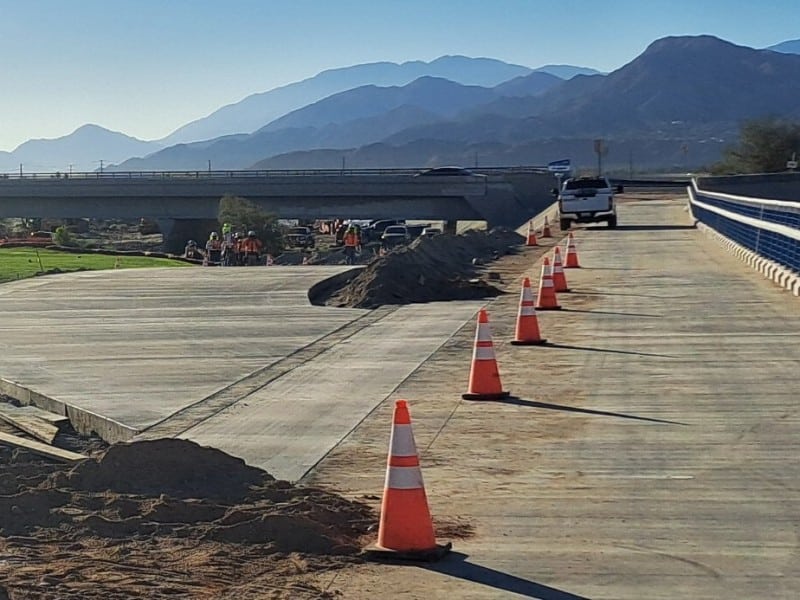
CV Link path under Ramon Road to close fully for two-year bridge reconstruction
City staff say no part of the path can stay open while crews dig 23 feet down while a preferred detour along Sarah Street in Cathedral City is stalled over property access.
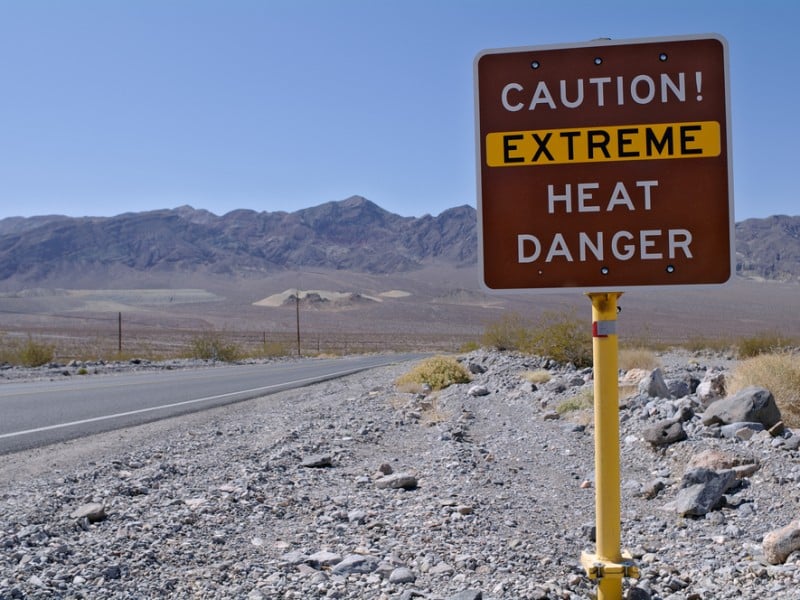
City to host listening sessions on heat and shade mitigation plan this fall
The $400,000 state-funded plan will target vulnerable residents who walk, bike or take transit amid rising heat-related illness.