
Palm Springs boards, council tackle transportation, housing and hotel incentives this week
A relatively light City Council agenda includes major overhaul of hotel tax rebate program.

Palm Springs City Hall hosts a full week of public meetings touching on transportation planning, housing development, human rights issues and economic policy, beginning Monday afternoon and concluding with a relatively short City Council agenda Wednesday night.
The week opens Monday at 1 p.m. with a special meeting of the Sustainability Commission’s Active Transportation Subcommittee (see the agenda here). Members are scheduled to hear a presentation on the CV Link Community Connectors project and revisit priorities from the city’s 2021 Pedestrian Plan, a framework that continues to guide long-term investments in walking and bicycle infrastructure.
Local reporting and journalism you can count on.
Subscribe to The Palm Springs Post
Later Monday, at 5 p.m., the Human Rights Commission (see the agenda here) will meet to hear a presentation from leaders at Martha’s Village and Kitchen, review plans for upcoming community service awards and discuss future agenda items related to social services, equity and inclusion.
On Tuesday at 5:30 p.m., the Planning Commission will hold a public hearing on a request to extend approvals for a mixed-use development planned for East Sunny Dunes Road (see the agenda here). The proposal seeks a two-year extension for a previously approved project that has not yet moved forward, reflecting ongoing challenges in financing and construction timelines.
The City Council meets Wednesday at 5:30 p.m. with a shorter-than-usual agenda (see it here), though one item carries significant policy implications. Council members are expected to reintroduce an ordinance that would restructure the city’s Hotel Operations Incentive Program, replacing the current framework with a tiered system that ties tax rebates to the level of investment made per hotel room.
The revised program would offer larger, longer-term incentives for higher-cost hotel renovations and new construction, impose firm deadlines for starting and completing projects, and strengthen enforcement for hotels that fall behind on tax payments. City staff say the changes are intended to encourage reinvestment in aging properties while protecting future tax revenue.
Approval Wednesday would constitute a first reading of the ordinance, with further action expected later this month.
Authors


Related Articles
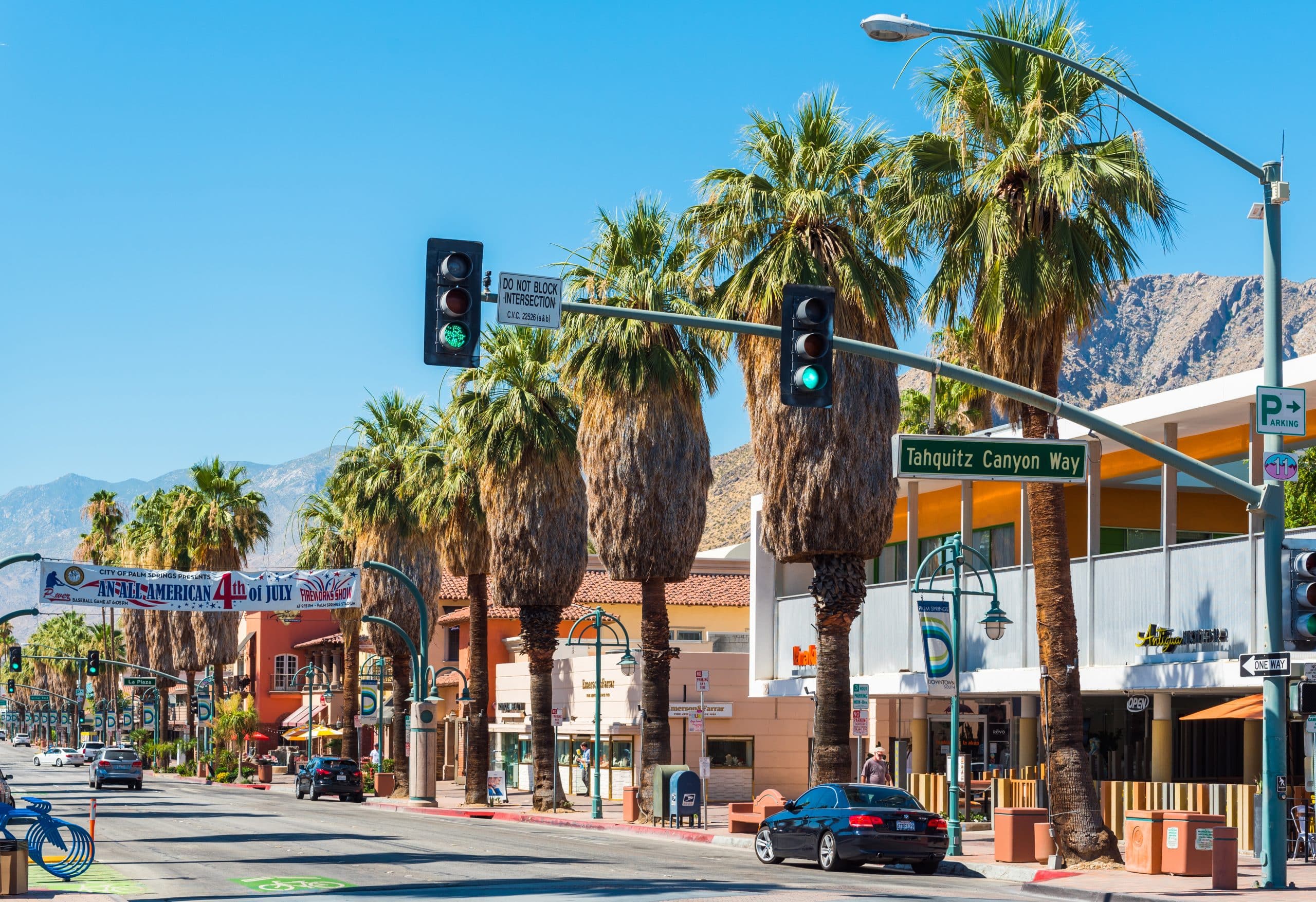
City on track to close fiscal year with nearly $7 million surplus, report shows
The city’s three core revenue sources — Transient Occupancy Tax, Property Tax, and Sales and Use Tax — are up a combined 11.5% from the prior year’s mid-year numbers.
This week: Palm Springs boards to review housing project, historic designation, library budget
Architectural Review, Historic Preservation and Library boards meet this week, with one other meeting possible on Thursday.
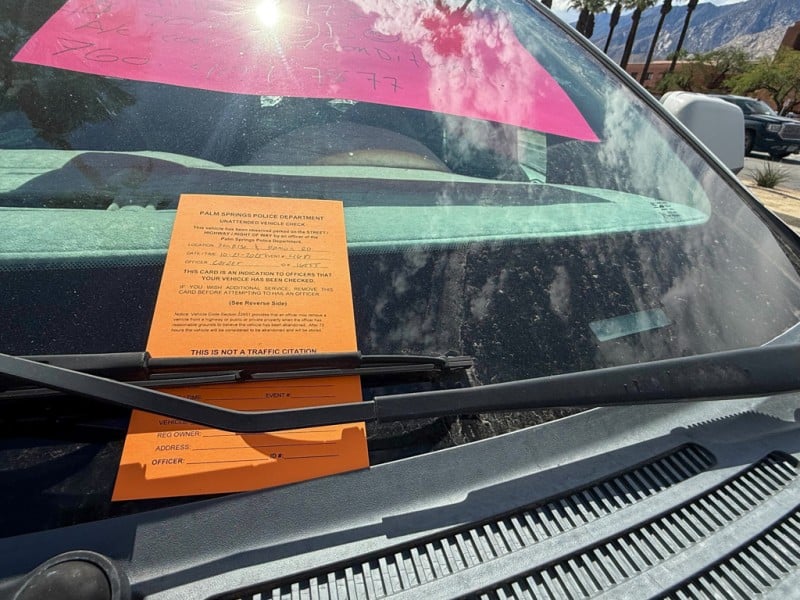
Palm Springs City Council approves ban on vehicle sales, rentals in public rights of way
The ordinance includes a narrow exception for residents occasionally selling their own vehicle near where it is normally parked, provided the vehicle is within one-tenth of a mile of the owner’s registered address.