
Palm Springs board recommends historic district designation for Sagewood Condominiums
The designation for the neighborhood — built by the same developers of Levittown — was a “no brainer” for Historic Site Preservation Board members at their Tuesday evening meeting.
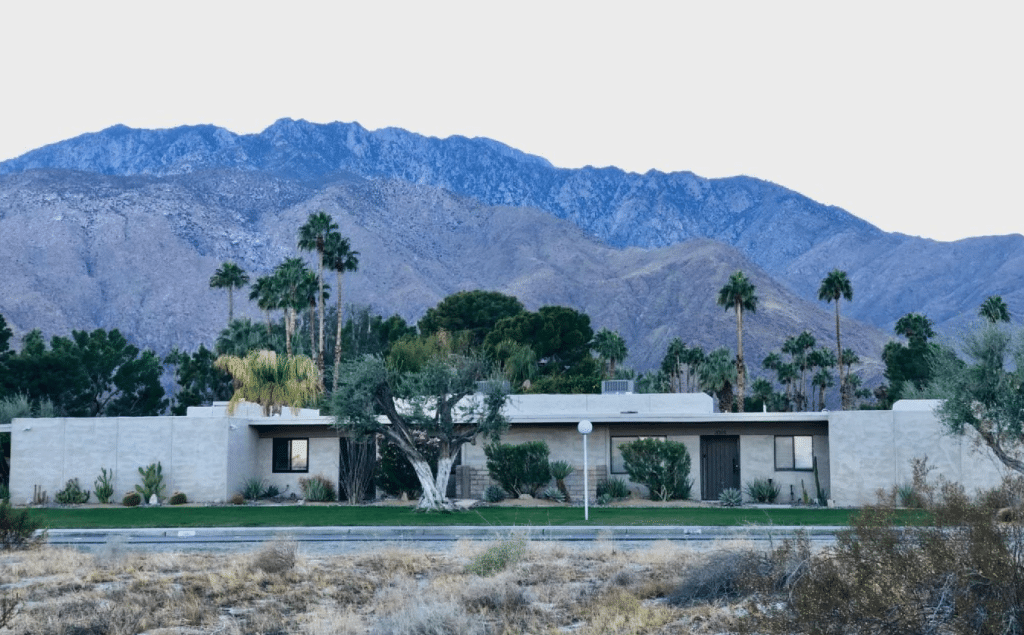
The Palm Springs Historic Site Preservation Board voted unanimously Tuesday evening to recommend historic district designation for Sagewood Condominiums, a 107-unit residential complex designed by architect Donald Wexler and completed in 1972.
The Sagewood Homeowners Association submitted the application for historic district designation, with 76 voting in favor of the nomination, representing 70% owner support. There were several residents in attendance at the meeting to show their support.
Local reporting and journalism you can count on.
Subscribe to The Palm Springs Post
The 18-acre development is located east of North Sunrise Way and south of Vista Chino, consisting of 27 detached buildings with four units each. Wexler designed the complex in the mid-century modern aesthetic, while landscape architect David Hamilton created the site’s landscape design.
“The site is identified as one of the largest condominium complexes designed by Donald Wexler in Palm Springs and reflects housing developed for the emerging middle class during the 1960s and 1970s,” according to the staff report.
The development was built through a collaboration between Wexler and East Coast residential developer Levitt & Sons, responsible for Levittown, New York, one of the first mass-produced suburbs. Board members noted the significance of the connection with Levitt, and said it represented a unique example of Levitt & Sons expansion into California and the only Levitt development in the valley.
“Given Levitt’s reputation for building architecturally nondescript, low-cost postward suburban housing, Sagewood stands out for its distinctive and refined site plan, landscape, and architecture,” according to the report on the development prepared by Claude Peck and Steven Keylon.
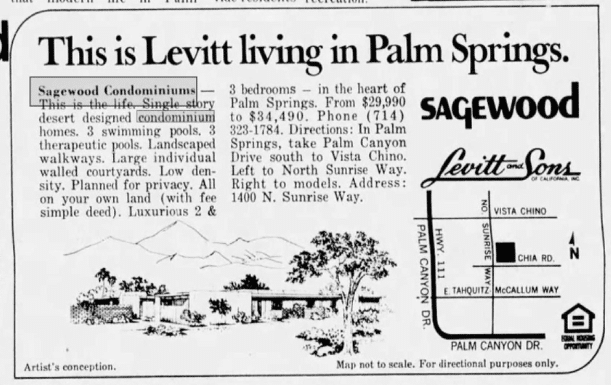
The design features low-slung, one-story buildings with flat roofs, cantilevered overhangs and rough stucco finish exterior walls arranged around substantial open green spaces with walking paths leading to common amenities including swimming pools and a tennis court.
City staff determined the property meets historic designation criteria for reflecting a particular period of local history, presenting the work of a master architect, and representing a significant entity whose components create distinction as a collective district.
Before calling for a vote on the recommendation, board Chair Janet Hansen said, “This is what I like to call professionally a ‘no brainer.’”
The board’s recommendation now goes to the City Council for final designation.
Author

Related Articles
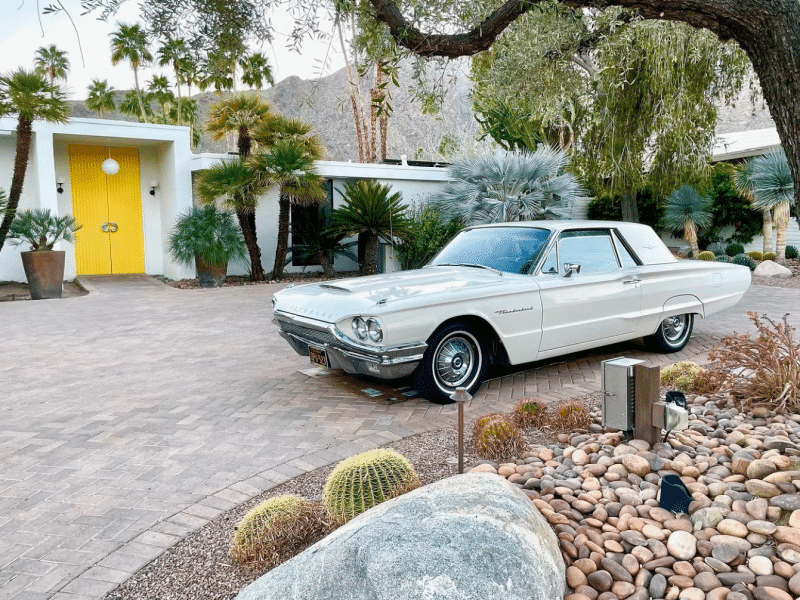
Palm Springs board approves designation for Late Modern period home
Historic Site Preservation Board members pointed out the city’s own historic survey only goes through 1969, leaving out important structures from the 1970s.
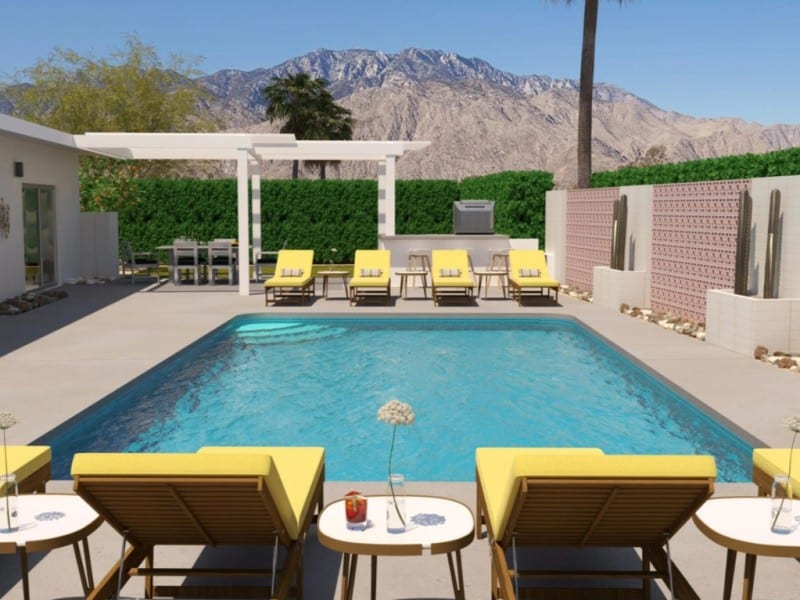
Modernism Week to feature more than 450 events in February
The 11-day festival in Palm Springs will include home tours, architectural bus rides, parties and educational talks celebrating midcentury modern design. Tickets go on sale Nov. 1.
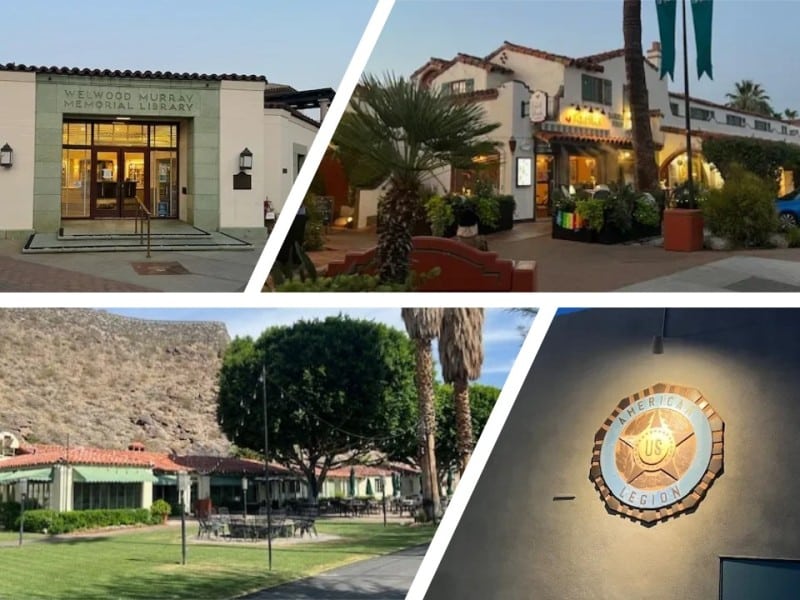
Palm Springs historical walking tour to offer rare interior access to city’s pre-modernist landmarks
The tour serves as ONE-PS’s only major fundraising event of the year, supporting all the organization’s activities throughout the year, including the citywide picnic in March.