
Palm Springs board approves designation for Late Modern period home
Historic Site Preservation Board members pointed out the city’s own historic survey only goes through 1969, leaving out important structures from the 1970s.
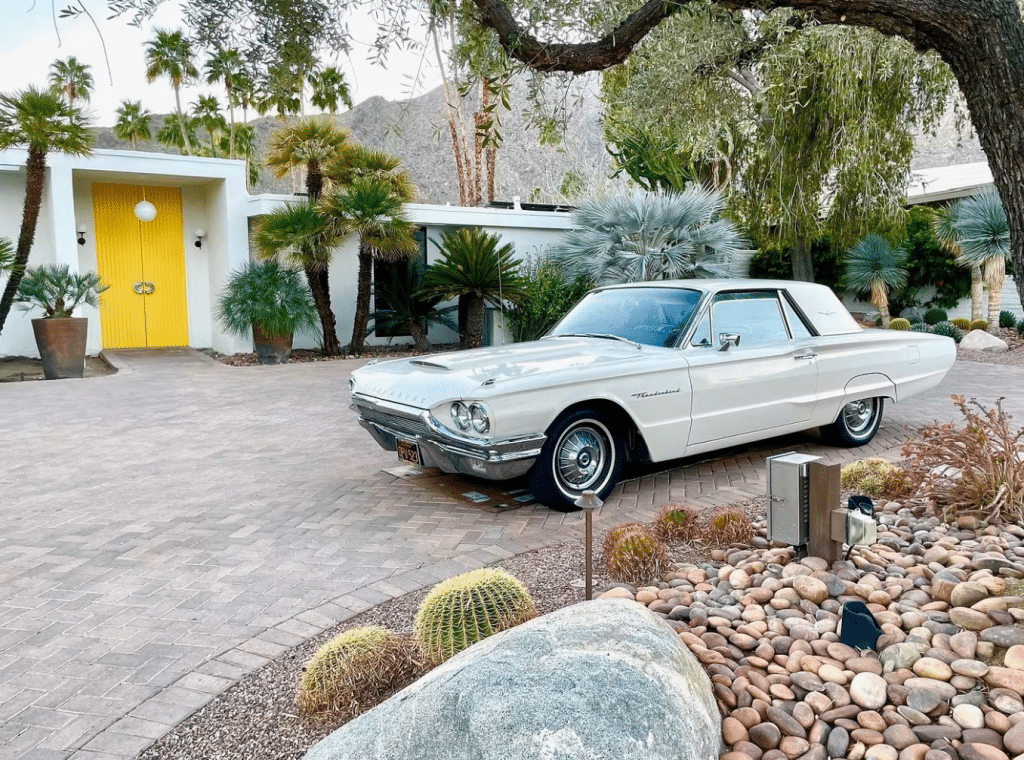
The Palm Springs Historic Site Preservation Board grappled with questions about the boundaries of midcentury modernism as it considered a 1970s-era home for historic designation at its Tuesday meeting.
The Fallows Residence in the Vista Las Palmas neighborhood sits at the center of a broader discussion about how Palm Springs should extend its historic preservation efforts beyond 1969, the current endpoint of the city’s historic context statement and survey of significant properties.
Local reporting and journalism you can count on.
Subscribe to The Palm Springs Post
Completed in 1972, the single-story home was designed by architect Tom Jakway for Dr. Alan Fallows, a prominent Palm Springs optometrist. The property features distinctive Late Modern characteristics including bold geometric volumes, deeply recessed openings, flat rooflines with large overhangs, and floor-to-ceiling glass walls.
“The 1970s are being realized as a significant period of late modernism,” according to the historic resources report prepared for the board. “The architecture of this decade was laden with divergent reactions to Modernism.”
The home was Jakway’s first residential commission. The architect grew up in Palm Springs as the son of prominent builder Jerry Jakway, who constructed the residence and was responsible for notable projects including the Tropic Hotel and condominiums at the Tennis Club designed by William Cody.
Tom Jakway, in attendance at Tuesday’s meeting, said growing up in Palm Springs was like living in an architectural lab, noting, “Every place you went, at least if you had your eyes open, you were learning things.”
Jakway advocated for the home’s designation, saying that a similar home a few blocks away is now an empty lot. If historic homes aren’t saved, the city could end up with “McMansion neighborhoods.”
Joan Gand, the owner of the building, said part of the reason she sought designation was to plant a flag for the importance of 1970s architecture and to make sure it is taken seriously.
The property was subsequently owned for 46 years by Dr. Lawrence Cone and his wife Mary before current owners Joan and Gary Gand purchased it in 2021 and undertook restoration work.
Dr. Cone lived at the house for 46 years, and as a part of his work he treated early patients of AIDS. The report notes his “energetic intervention and staunch advocacy on behalf of his patients.”
Associate Planner Sarah Yoon, who serves as the city’s Historic Preservation Officer, noted in her staff report that the home “clearly reflects the period in which it was constructed” but falls short of demonstrating “exceptional significance” required for Class 1 designation. Staff recommended Class 2 designation, which recognizes sites for their historic merit.
Board members disagreed, and voted unanimously for a Class 1 designation for the home, citing architectural significance, as well as community and cultural value because of the association with Dr. Cone.
The board’s recommendation now goes to the City Council which will vote on the official designation.
Authors


Related Articles

Modernism Week sets schedule for October festival in Palm Springs
Organizers say the four-day event will introduce new evening entertainment options, including curated dinners, social gatherings and a wine tasting, alongside returning tours and talks.
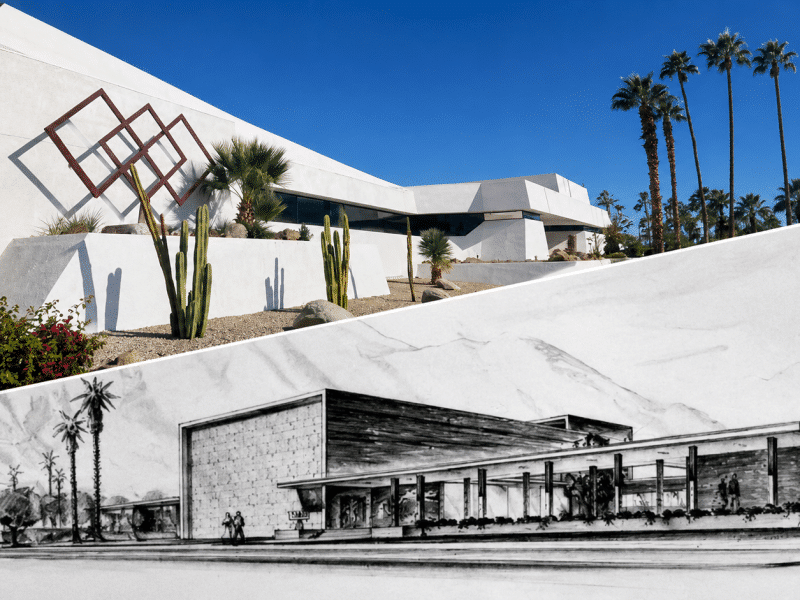
Palm Springs council approves historic status for Temple Isaiah
The council voted unanimously to designate the synagogue and Jewish community center a Class 1 landmark, citing its layered architecture and 75-year role as a cultural gathering space.
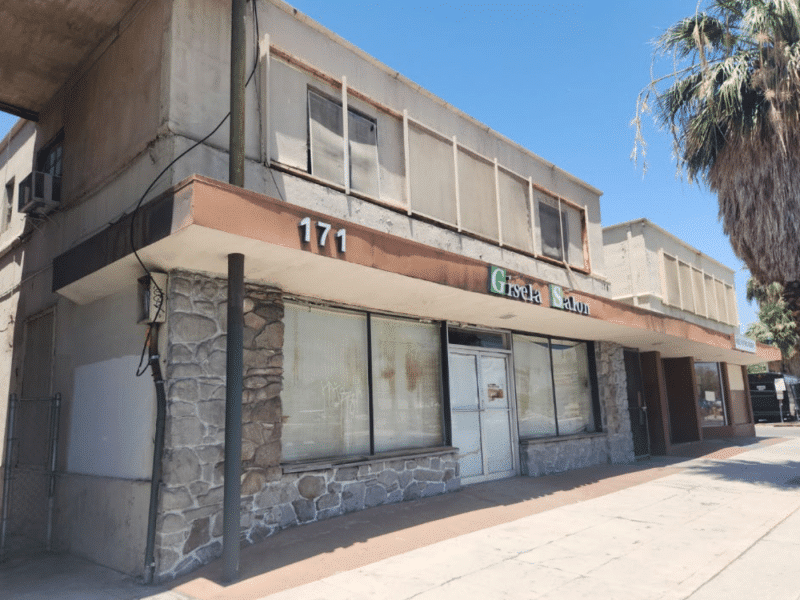
Historic site board backs demolition of a portion of Town and Country Center to make way for new Palm Springs fire station
The board greenlit the removal of two vacant buildings on North Indian Canyon Drive for a new Fire Station No. 1., though final plans have not yet been approved.