
Palm Springs at ‘defining moment’ as city officials unveil bold plan to break free from tourism dependence
A report being reviewed at City Hall proposes dozens of actions to address declining tax revenue, regulatory barriers, and overreliance on a sector that contracted 13.2% between 2019 and 2023.
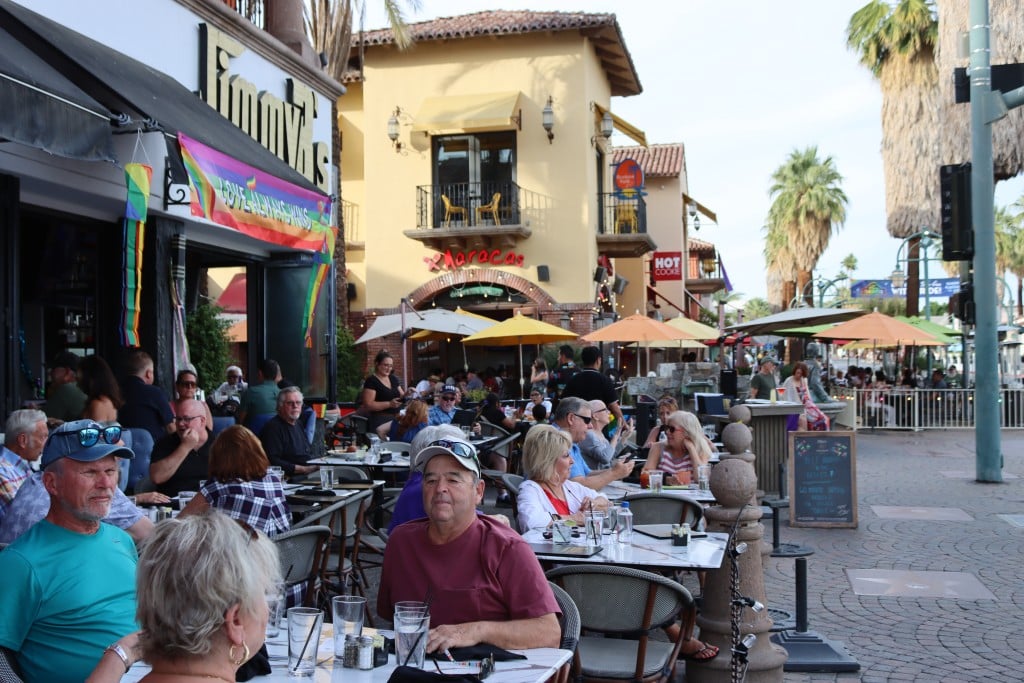
Palm Springs leaders will review a comprehensive economic development plan Monday that aims to transform the city’s tourism-dependent economy over the next decade. The effort comes as officials grapple with declining revenue, high operating costs, and growing frustration from businesses over regulatory barriers.
The Palm Springs Economic Development Strategic Framework — the city’s first formal economic plan — arrives as new Transient Occupancy Tax (TOT) data shows continued softening in the city’s primary revenue source. Total TOT collections for the first quarter of fiscal year 2025-26 fell 3.6% year over year, dropping to $6.62 million from $6.87 million.
Local reporting and journalism you can count on.
Subscribe to The Palm Springs Post
September’s monthly TOT report underscores the trend. Agency vacation rentals collected $214,847, down from $280,498 the prior year; individual vacation rentals fell to $243,071 from $265,774; and small hotels dropped to $502,086 from $572,896.
City officials note that these declines do not represent a return to pre-pandemic norms. TOT revenue surged to record highs coming out of Covid before beginning a multiyear slide, and even now remains above 2018–19 figures.
The concern, staff say, is that the softening reflects a broader structural shift. The city’s accommodation and food services sector shrank 13.2% between 2019 and 2023, and the recent downturn suggests the industry is losing strength rather than stabilizing. Leaders argue that trend underscores the need for long-term economic diversification.
“Palm Springs faces a defining moment,” the framework states. “What began as success — a powerful brand, thriving tourism, cultural cachet — has created new pressures that threaten long-term viability.”
The City Council will discuss the framework at a special study session Monday from 5:30 to 7:30 p.m. at City Hall. The session was moved from its regular meeting agenda last week to allow adequate time for in-depth discussion.
Chief Economic Development Officer Wayne Olson developed the plan following a competitive procurement process that began in May 2024. The city awarded a contract to CVL Economics LLC in July 2024 to facilitate creation of the framework.
“The question is not whether the city will change; external forces guarantee that it will,” the framework states. “The question is whether Palm Springs will direct that change or be reshaped by it.”
The plan builds on findings from extensive community engagement, including surveys that revealed significant business dissatisfaction. Among local businesses surveyed, 68% reported difficulty navigating permitting or licensing requirements, and 50% cited high regulatory compliance costs as major challenges.
Business climate concerns
The survey results show the severity of business climate concerns: 34% of business owners said they have considered closing down entirely, with 48% citing local regulations as the primary reason. Another 29% of business owners have considered relocating to another city in the Coachella Valley, with 51% identifying local regulations as the main factor.
“I beg you to please stop layering on more and more committees, boards, and bureaucratic regulations on local businesses,” one survey respondent wrote. “The City of Palm Springs has a reputation throughout the valley with service providers, vendors and contractors as being the most difficult to deal with.”
The business survey also revealed the depth of tourism dependence: 82% of respondents said tourism is important to their bottom line, with 68% stating tourism was either “essential” or “very important” to their business.
Strategic framework
The framework organizes its approach around five strategic principles designed to address core structural challenges. The plan calls for expanding the city’s economic development capacity, reinvigorating the business climate, bolstering existing industries, seeding and nurturing emerging clusters, and strengthening community assets and infrastructure.
To address the overreliance on tourism, the framework identifies several emerging industry clusters for development. The plan proposes establishing Palm Springs as a health and wellness technology hub, building a technology ecosystem, expanding the city’s creative economy footprint, and promoting Palm Springs as a leader in desert climate and energy innovation.
“What began as success — a powerful brand, thriving tourism, cultural cachet — has created new pressures that threaten long-term viability.”
— Palm Springs Economic Development Framework
“More than half of Palm Springs’ jobs concentrate in just four industries,” the framework notes. The accommodation and food services sector contracted by 13.2% between 2019 and 2023, while workers earned only $32,620 in annual wages on average.
The framework proposes establishing a Convention Center District through zoning updates to create a hub connecting hospitality, entertainment and commercial activities. The plan calls for implementing transportation connectivity between the Convention Center, downtown Palm Springs, nearby hotels and the airport.
Also proposed is a nighttime business zones and an entertainment district to extend commercial hours during hot summer months. Grants or tax breaks would be made available for businesses that extend operating hours, and marketing Palm Springs during summer months as a nighttime destination.
Challenges addressed
Addressing workforce challenges, the framework emphasizes workforce housing expansion as a key priority. Housing costs increased 83% between 2018 and 2023 while wages rose just under 30%. The median home price in Palm Springs exceeds $1 million, compared to an average annual wage of around $46,000. Only 15.5% of Palm Springs workers live in the city.
The plan encompasses dozens of specific actions across three implementation phases: 38 short-term actions for one to two years, 43 medium-term actions for three to five years, and 22 long-term transformational investments for five to 10 years.
Among the immediate priorities, the city plans to spend $450,000 on contracting with a management firm for a process and code audit, and hiring a marketing team for an economic development marketing plan. Both will require separate request for proposal processes.
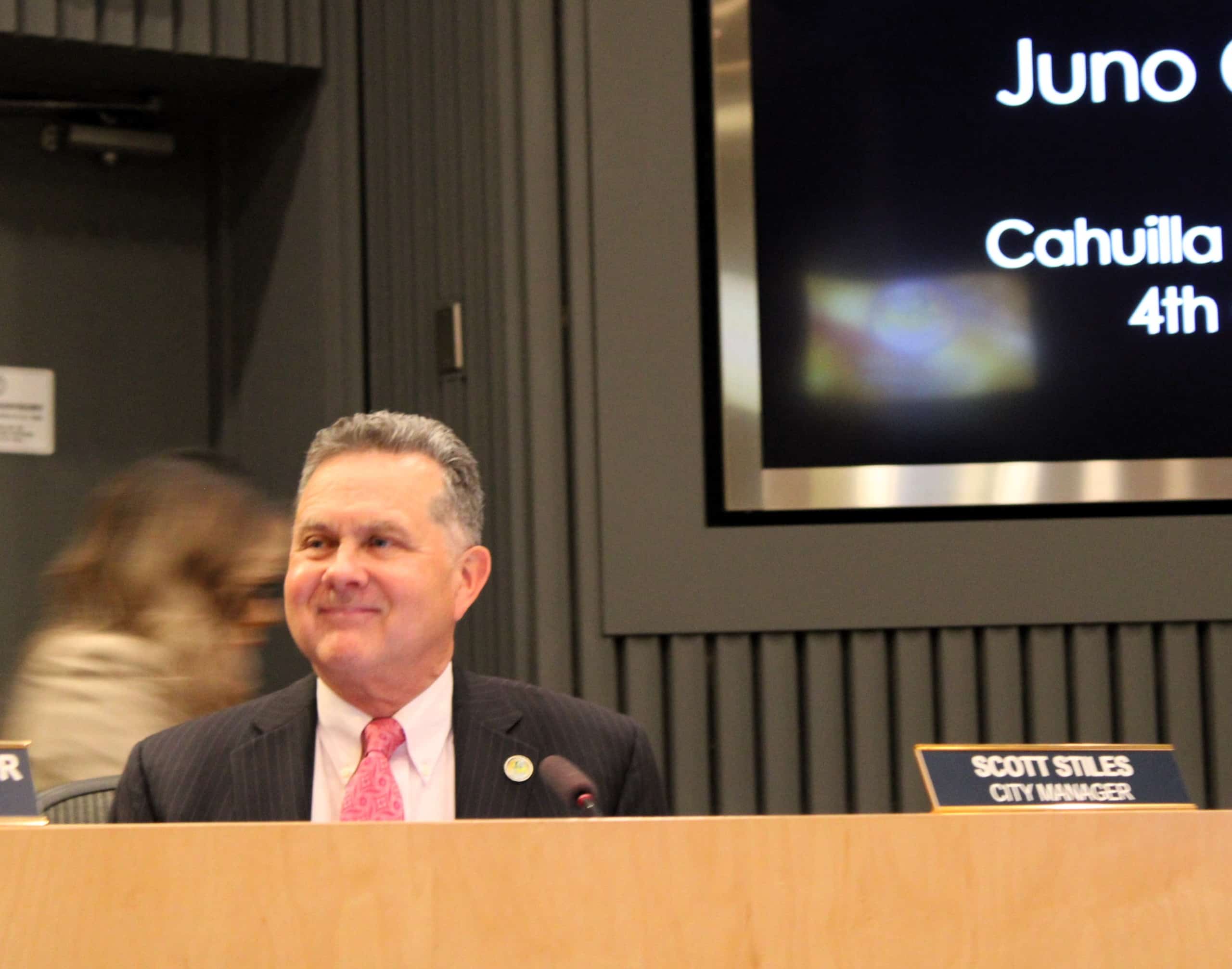
The current fiscal year 2026 budget for economic development is approximately $1.3 million. City Manager Scott Stiles noted that adopting the framework itself has no direct fiscal impact, but implementation of most strategies will require future budget allocations or grant funding to be presented to the Council for approval on a case-by-case basis.
Authors


Related Articles
Palm Springs City Manager Scott Stiles to retire Nov. 1
Stiles, who joined the city in March 2023, cited a public service career spanning more than four decades in an email sent to employees Tuesday morning.
City board debates how far a 1930s Palm Springs home can change for modern family
Members of the city’s Historic Site Preservation Board differed over whether additions to the historic Hal Forrest Residence enhance its preservation or simply adapt it to a family’s needs.
Seven Lakes Golf & Country Club takes step toward becoming Palm Springs’ largest historic district
The city’s Historic Site Preservation Board approved the designation for the 120-acre complex, which counts Dwight D. Eisenhower among its notable golfers.