
Mobile medical clinics expand healthcare services for residents at Palm Springs Navigation Center
The clinics, which debuted Wednesday, will provide primary care, mental health services, pharmacology, and referrals to brick-and-mortar clinics in the city when necessary.
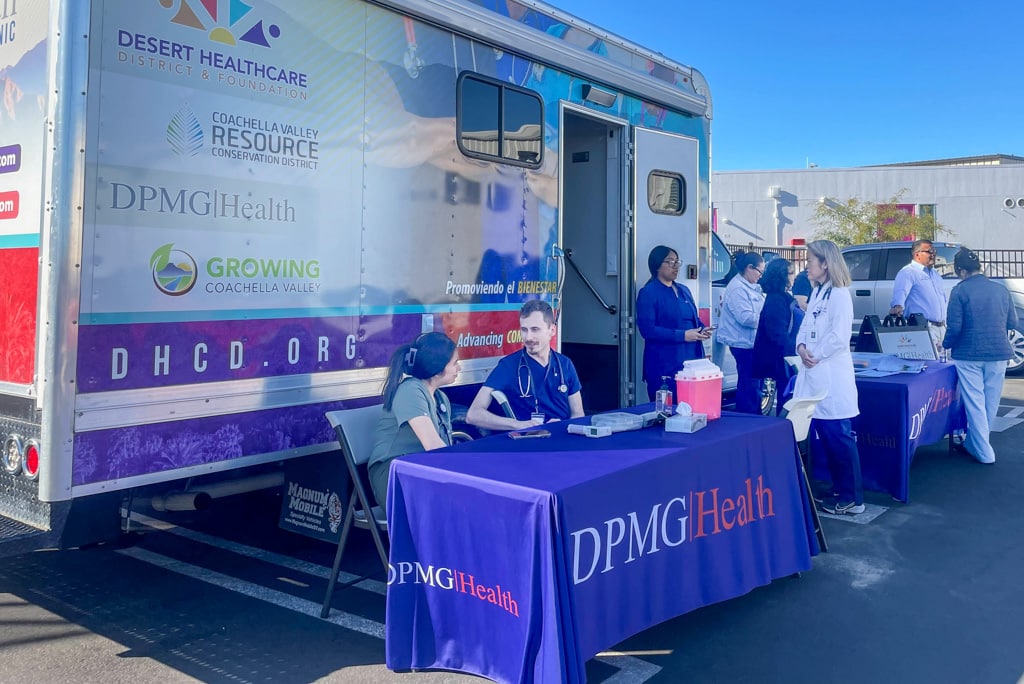
Mobile medical clinics are bringing healthcare directly to unhoused individuals at the Palm Springs Navigation Center, marking a significant expansion of services for the facility’s residents.
The Desert Healthcare District & Foundation launched its mobile health and wellness program at the center Wednesday, offering free medical care to long-term and overnight occupants.
Local reporting and journalism you can count on.
Subscribe to The Palm Springs Post
Two mobile clinics, operated by Desert Physicians Medical Group (DPMG), will visit approximately 110 residents at no charge monthly to address their medical needs.
The clinics will provide primary care, mental health services, pharmacology, and referrals to specialty care when necessary to DPMG Health’s brick-and-mortar clinic in Palm Springs.
The Navigation Center, which opened in 2024 at 3589 McCarthy Road, provides transitional shelter and support services for people experiencing homelessness. Martha’s Village and Kitchen staffs the facility. According to Alejandro Espinoza, chief of community engagement for Desert Healthcare District & Foundation, these services play a critical role in helping the unhoused get back on their feet.
“As we talk about the social determinants of health, the first step is getting these people housed, making sure that they have a roof over their head,” Espinoza said. “And now the next step is to ensure that they have good physical and mental health, and I think that’s what we are providing here.”
Services offered include primary care, chronic disease management, wound care, and mental health support. The clinics carry medications for common conditions such as diabetes, high blood pressure, and high cholesterol.
“We’re going to focus on the medical services and then hopefully add on additional mobile healthcare services like dental services,” Espinoza said.
The Navigation Center has provided office space for telehealth consultations for mental health services. Residents can schedule appointments with psychiatrists or psychologists Monday through Friday, 9 a.m. to 5 p.m.
The program aims to remove barriers to healthcare access for vulnerable communities. Patients do not need appointments, insurance, or documentation to receive care.
The mobile clinics will visit the Navigation Center on the first Wednesday of each month from 2 p.m. to 5 p.m. Three doctors and supporting staff, including administrative personnel and translators, will be on-site during these visits.
For DPMG Health, this initiative represents the evolution of its street medicine program. It began in 2013 with healthcare providers carrying backpacks of medical supplies to serve homeless individuals in parks and encampments.
Dr. Gemma Kim, chief academic officer for DPMG Health, emphasized the importance of building partnerships with local organizations like the Navigation Center to bring healthcare directly to those in need and help build relationships with unhoused residents.
“Because they have the ties within the community that can help us identify those areas of need. And then we’re able to partner, and we’re able to do fantastic events, not only like this, but we’ve done pap smears, we’ve set up mammograms patients, and really tried to deliver the health care to those people who need it,” Kim said.
The Desert Healthcare District & Foundation launched its first mobile clinic in 2022, adding a second unit a year later to include medications and behavioral health services. Both clinics were purchased with grant support from the Coachella Valley Resource Conservation District.
The Desert Healthcare District & Foundation and the Navigation Center partnership builds on previous collaborations with Martha’s Village and Kitchen at the Desert Hot Springs access hub. Kim said the work is especially rewarding for faculty and medical students involved because it reminds them why they went into the medical field.
“Physicians, sometimes, over time, lose their heart for why they actually went into medicine because there’s so much administrative work with it, and there’s so much of the grind every day,” said Kim. “So I think opportunities like this really matter a lot to them and really help them kind of refocus, kind of rejuvenate them into not only what their passion was that brought them into medicine, to begin with, but what it is to actually give back to the community and understand the community that they’re treating.”
Will Dean, director of communications and marketing for the Desert Healthcare District & Foundation, summarized the program’s mission as follows: “It’s really taking healthcare to the people.”
Author

Related Articles
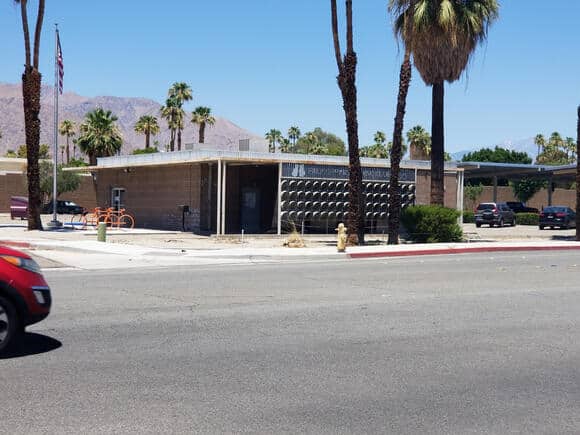
City Council moves to extend Access Center hours to help unhoused residents better deal with extreme conditions
Councilmembers also asked staff to explore limited overnight shelter during extreme weather events, at an estimated annual cost of $171,700.
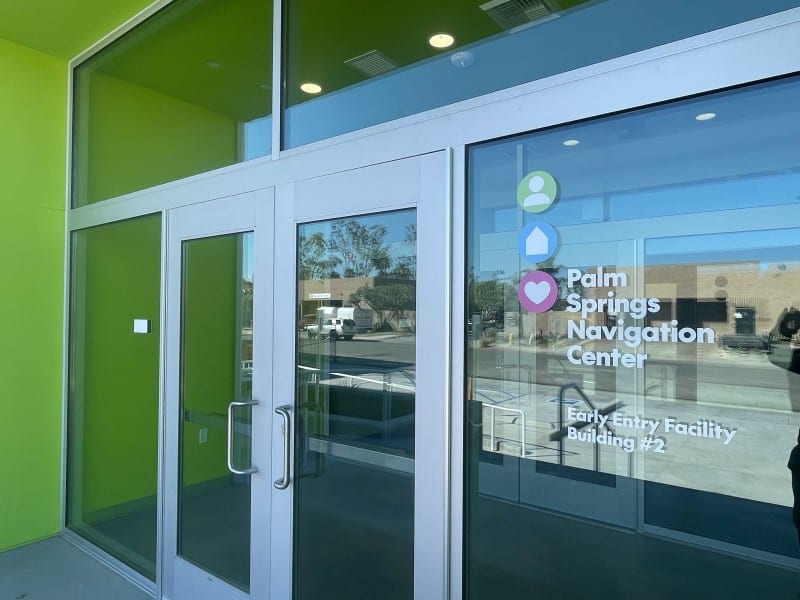
Palm Springs continues to seek sustainable funding for Navigation Center’s $5 million annual budget
No specific grant sources, funding commitments or timelines have been announced, but elected officials said last week they remain committed to securing long-term funding.
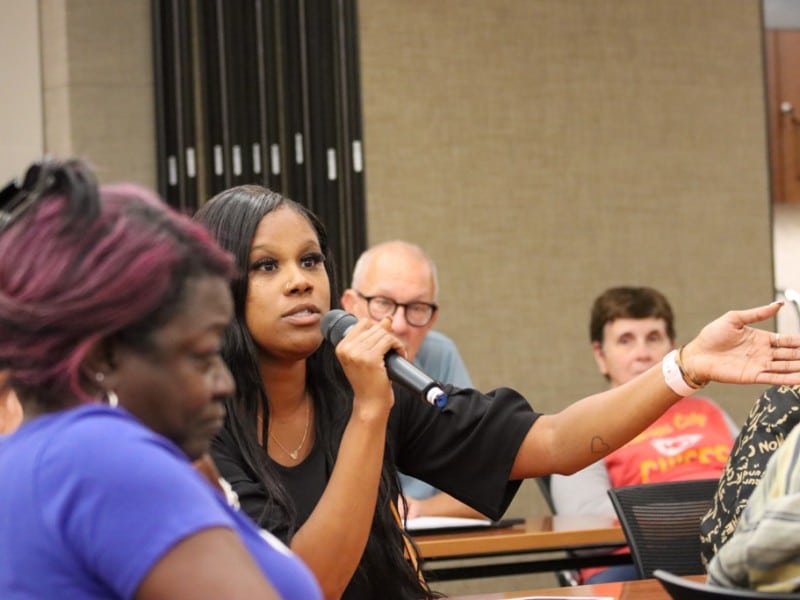
Police and residents share concerns about Navigation Center’s first year, note signs of progress
City officials say the facility has helped people find housing and jobs, but police and neighbors worry Palm Springs is becoming a magnet for the region’s unhoused.