
With COD campus underway elsewhere, vision for northern Palm Springs taking shape
Community members taking part in a series of workshops are sharing hopes for affordable housing, economic growth for area’s upcoming specific plan update.
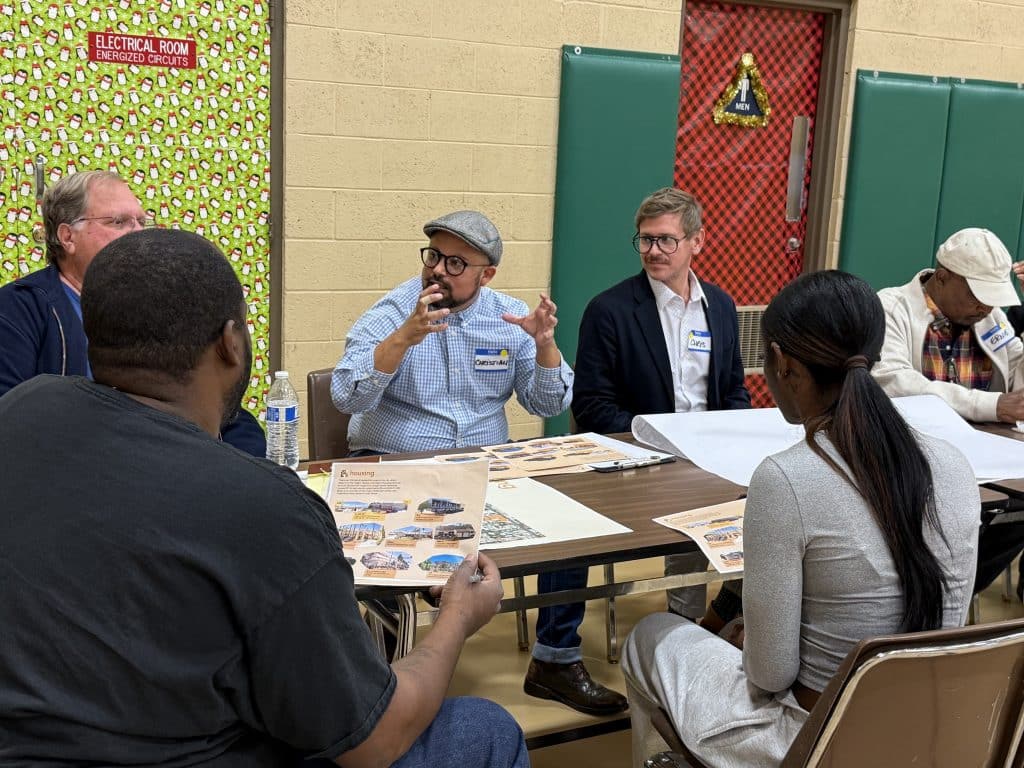
Residents in the north part of the city are actively participating in a series of workshops to update the specific plan for the former College Park area, now renamed Tramview Heights. The second of three planned workshops, held Tuesday evening at the James O. Jessie Desert Highland Unity Center, focused on reimagining zoning categories and land use for the entire planned area.
The new specific plan will replace one adopted in 2011 when College of the Desert had plans to build a Palm Springs campus on more than 100 acres of land surrounding the unity center. Those plans eventually shifted to the center of the city, but zoning that allowed for the college remained, as did COD’s ownership of the parcel.
Local reporting and journalism you can count on.
Subscribe to The Palm Springs Post
Now, residents are meeting with city planners and consultants to identify what, specifically, they want built in the area that includes not only the COD land but several neighborhoods. Residents there often note that, unlike other areas of the city, they are largely cut off from basic services like banks and grocery stores and instead must live near industrial buildings and convenience stores.
“The new specific plan will create a Tramview Heights that is safe, accessible, with a design that reflects community pride and supports economic growth and inclusivity while maintaining affordability,” said Christian Rodriguez, a senior associate with Kounkuey Design Initiative, the nonprofit organization facilitating the process.
The specific plan area encompasses four neighborhoods stretching from Highway 111 to Indian Canyon Drive: Desert Highland, Gateway Estates, Mountain Gate, and Palm Springs Villas. The planning document divides the area into nine planned areas, allowing for more detailed zoning and development guidelines.
During the Tuesday workshop, residents engaged in rotating group activities to learn about different zoning types and propose changes.
Participants were divided into five groups, each focusing on a specific aspect of zoning: commercial, residential housing, policies and special programs, manufacturing, and open space and transportation infrastructure.
“This is about redeveloping the area just as much as developing vacant land,” said one consultant on hand to guide the process. “A specific plan is the long-term vision. So are there possibilities for an area that is more than just a vacant lot?”
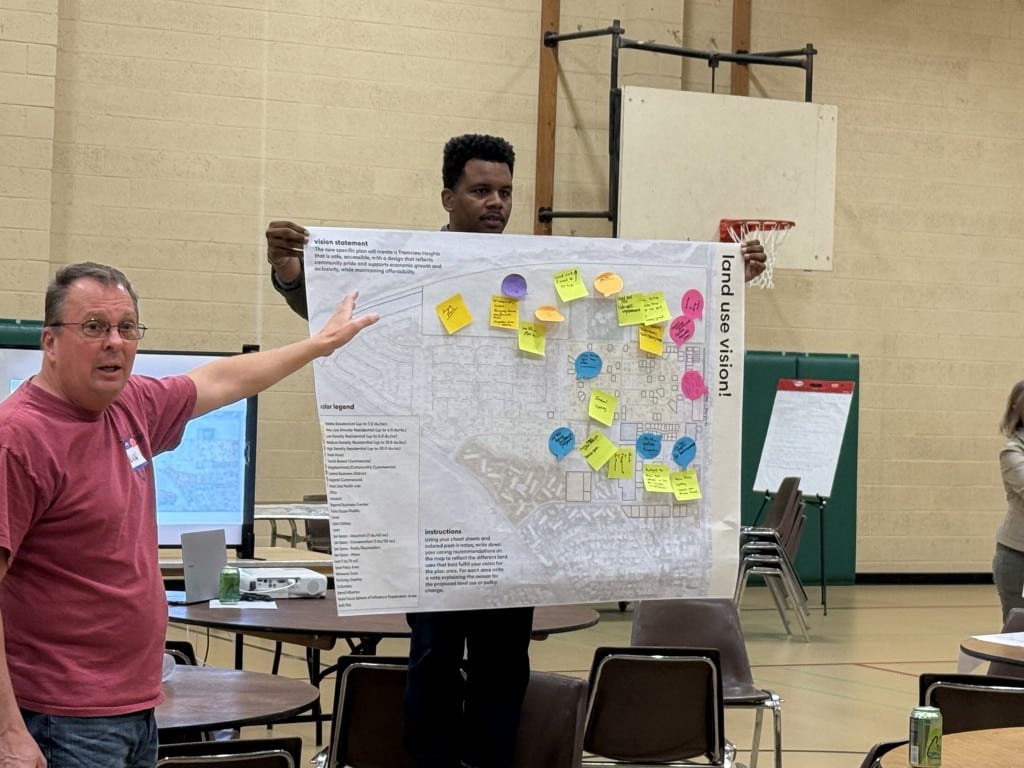
After an hour spent rotating between topics, each of the groups shared their ideas for the area.
Participants showed a strong preference for more affordable home developments, and also senior housing. The area’s industrial development was important, many agreed, but they hoped for more commercial projects mixed into the area fronting Indian Canyon Drive.
Also on the wish list, as they have been for decades, were access to fresh food, a pharmacy, a bank and other services. Not of interest were any additional fast-food restaurants, convenience stores with liquor, or cannabis operations.
City officials explained that while the current process focuses on the existing specific plan area, a parallel comprehensive update to the zoning code for the entire Palm Springs area is also underway.
To ensure broader community representation, organizers plan to conduct mobile engagement in the coming weeks. This outreach aims to gather input from residents unable to attend the workshops.
The third and final workshop is scheduled for Jan. 15, also at the Unity Center. After that session, consulting firm Terra Nova will begin drafting the specific plan, incorporating all the community input gathered throughout the process.That draft will then be presented to the community, allowing for additional feedback.
Author

Related Articles
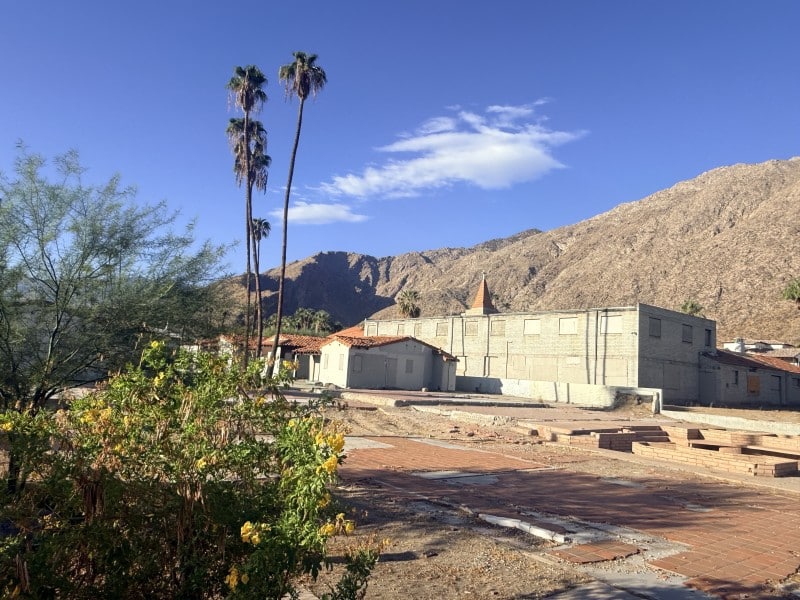
Preservation board delays decision on latest Orchid Tree hotel plans, sends four items back for restudy
Members want four staff-recommended changes restudied, including the location of a pool cabana, a step city planners said will add time to the Orchid Tree Resort & Spa schedule.
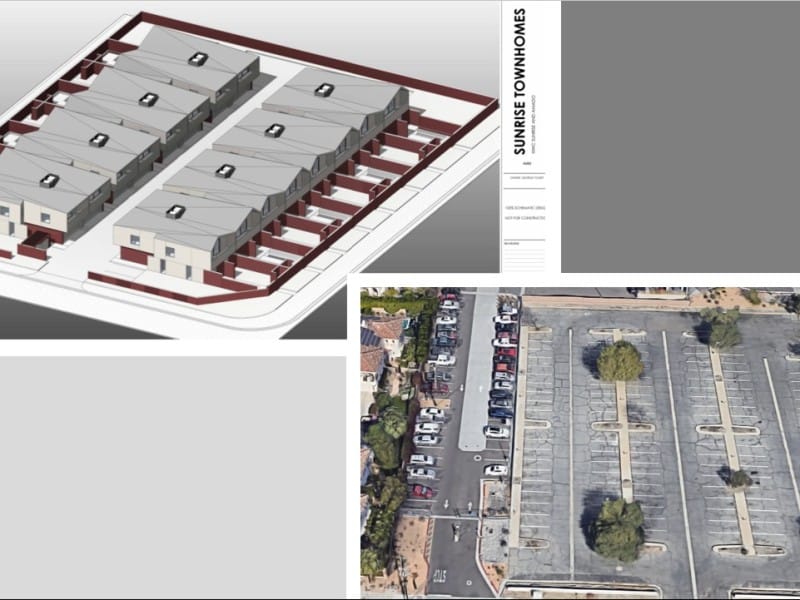
Planning Commission approves 16-unit townhome project at Sunrise Way and Amado Road after July delay
City staff noted that some of the commission’s earlier requests conflicted with state housing laws, though the developer did add a walkway so pool cleaners and landscapers can reach backyards.
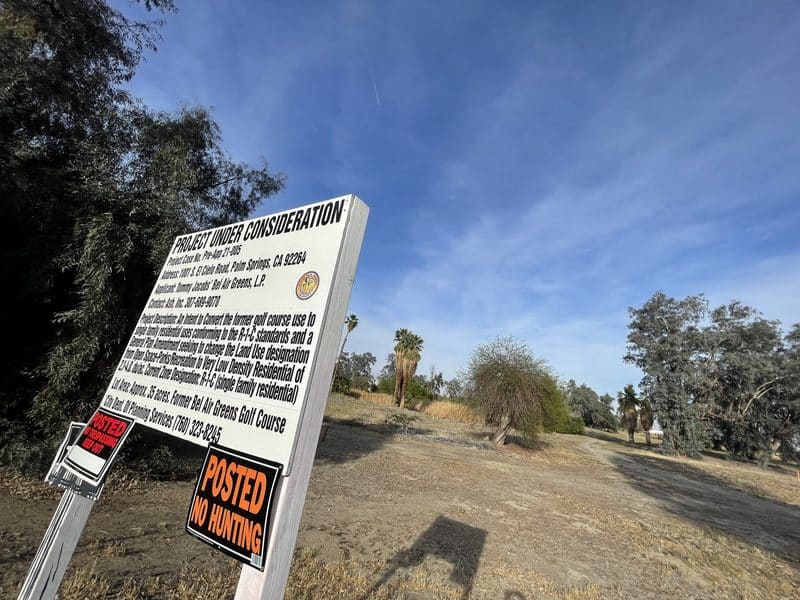
Planning Commission pulls Bel Air Greens housing plan from agenda after tribe acquires half the site
The property’s new tribal trust status means only part of the closed golf course would remain under city land-use review, commissioners learned Tuesday.