
‘Pain Street’: From owners to employees, Downtown Palm Springs is suffering after a drastic summer slump
A dramatic and unexpected decline in business, combined with rising rents and higher living costs (not to mention skyrocketing air conditioning bills) have local store owners and staff struggling.
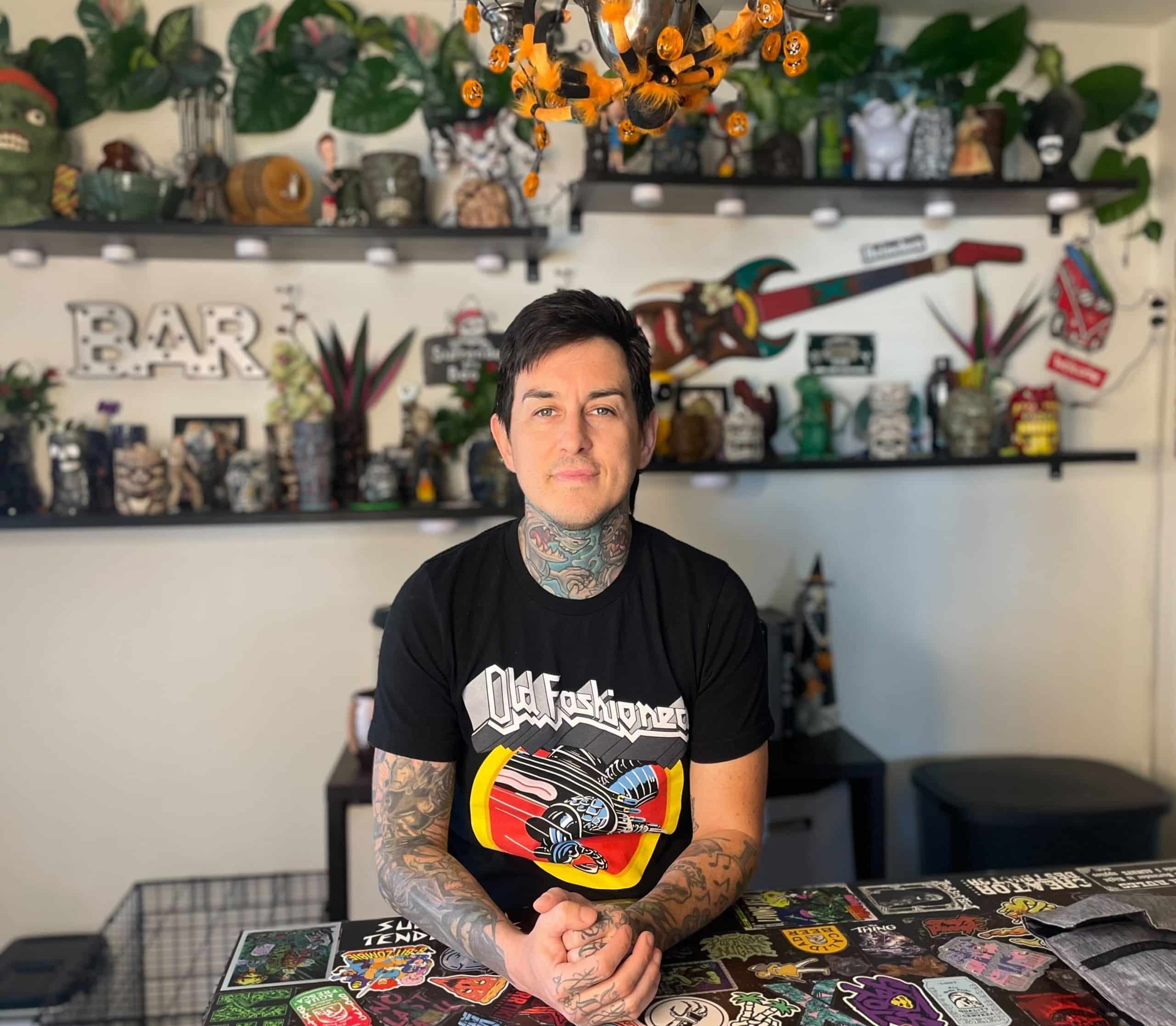
David Lopez realized something was wrong this summer when his time-tested formula for surviving the hot months in the Palm Springs restaurant industry went out the window.
Like many other local workers who’ve weathered the summers here, Lopez understood how to navigate the patterns — when things pick up, who gets busy first, and when it dies down. Over the years, he’s learned where to work and when — from hotels bringing in vacationers in the summer to the snowbirds returning in the fall.
Local reporting and journalism you can count on.
Subscribe to The Palm Springs Post
This summer, that playbook failed him.
“I’m sinking,” says Lopez, who’s currently juggling three bartending jobs to support his three children. “I’m borrowing money. I’ve dipped into my savings.”
It’s not just the restaurant and bar industries. Up and down the two streets that make up the core of Downtown Palm Springs — Indian Canyon and Palm Canyon drives — and in the adjacent roads that contain the hotels that feed those streets tourists, local business owners and employees are feeling the effects as Covid-era tourism dwindles, record-breaking heat lingers, and skyrocketing air conditioning bills arrive.
By every definition, it has been a very tough summer.
Tax revenues decline
At City Hall, the impact on tax revenue is becoming clear. At the Measure J Oversight Commission meeting earlier this month, city staff reported final revenue for the Measure J tax was $21.1 million for fiscal year 2024, which ended June 30. That figure falls short of both the $22.5 million that was predicted and the $21.9 million collected in fiscal year 2023.
The city doesn’t have summer 2024 data yet, but Director of Finance Kristopher Mooney said recently that, in general, total sales tax revenue has indeed been trending down.
“We’ve noticed that since early in the fiscal year,” Mooney said. “So, since this time last year, we started to see our sales tax numbers sort of generally declining. And the summer was no different. It was trending about the same. It’s down.”
But Mooney says that while sales tax revenue has been trending down since last year, including over the summer, it’s still relatively strong compared to pre-Covid levels.
There are two types of sales tax: regular sales tax that goes into the general fund and the Measure J tax that goes into a separate fund. Aside from the Measure J drop, city officials expect around $30 million this year for the general fund, which, despite a decline from last year, remains higher than pre-Covid levels of $25-$26 million.
But for small business owners and workers it doesn’t feel that way. Even though the sales tax numbers may be strong compared to pre-Covid levels, the current economic landscape is much different. Inflation, rising rents and insurance, high living costs, and skyrocketing air conditioning bills all put additional pressure on businesses and residents.
While the revenue may seem solid on paper, it doesn’t reflect the full financial strain many business owners say they are feeling in today’s economy.
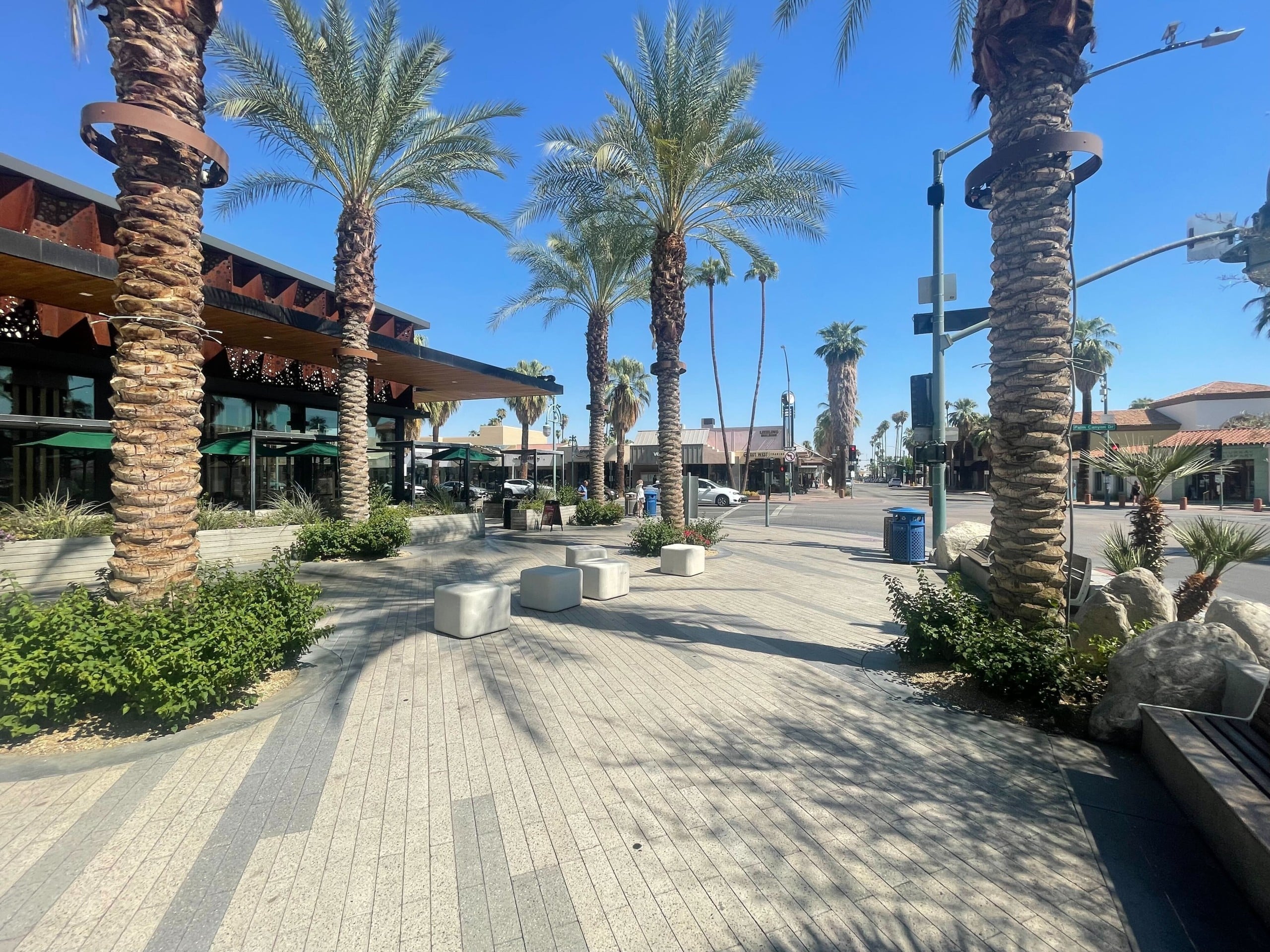
“It’s been extremely slow, certainly the slowest that many of us have seen in many years,” says Joy Meredith, owner of Crystal Fantasy and head of Main Street Palm Springs, an organization created to support business owners in Downtown and Uptown Palm Springs and elsewhere.
“It’s probably weather related, and probably also because people are traveling more now. The honeymoon we were having with people after and during Covid is now kind of over. People are traveling to Europe again. So there’s a lot more choices opening up for people, and it’s just something that we all have to deal with internally in our own way.”
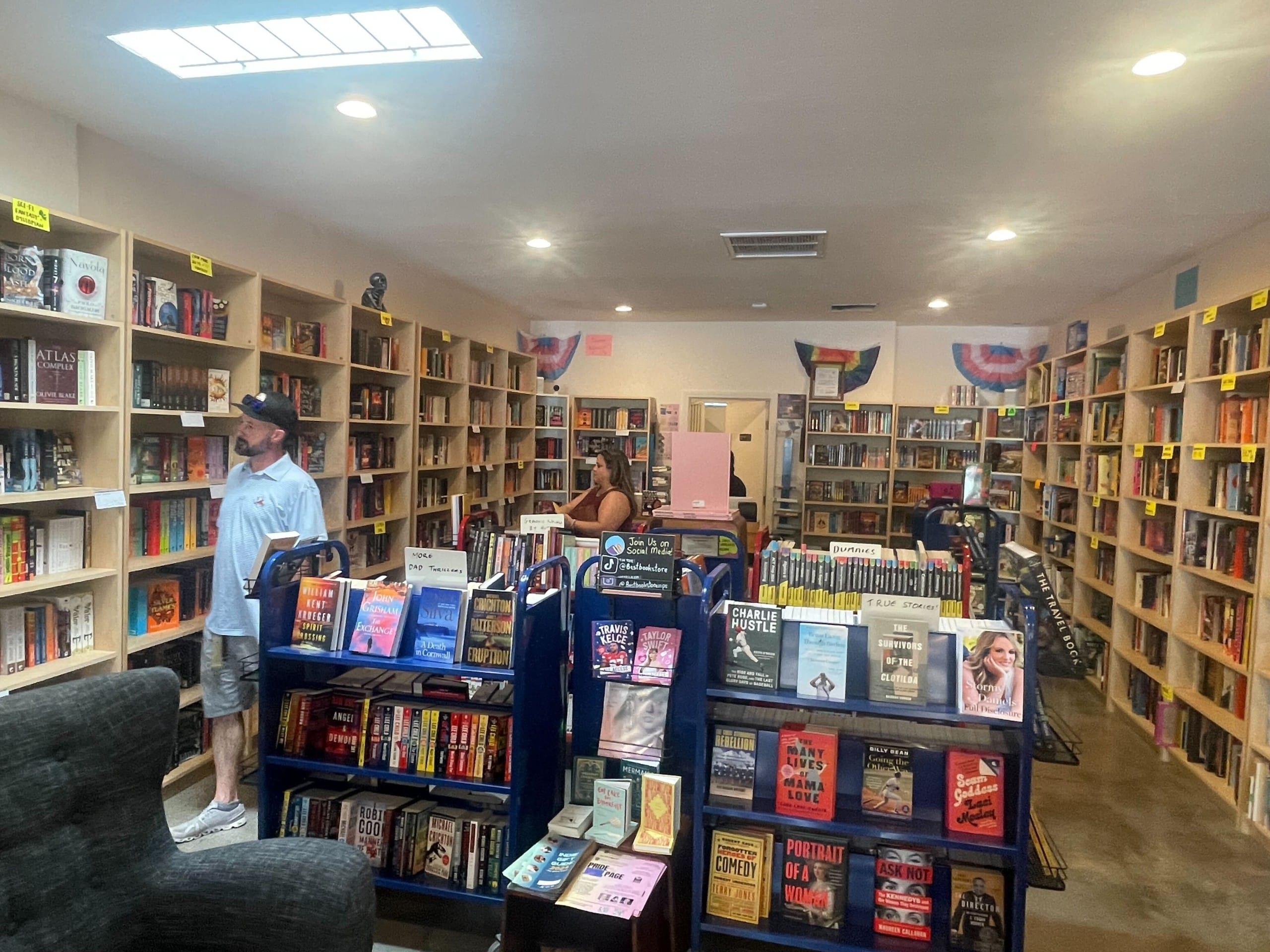
On East Tahquitz Way, between Palm Canyon and Indian Canyon drives, The Best Bookstore In Palm Springs’ co-owner Sarah Lacy echoes Meredith’s sentiments, adding that part of the problem is that the drop in tourism was unexpected. Only a few years ago there was already a narrative that Palm Springs was becoming a year-round town with new businesses emerging, she says, but that has all changed.
‘Not a year-round town’
When Covid hit, the city saw a big influx of visitors from Southern California throughout the year, reinforcing the idea that Palm Springs was transforming. This inspired Lacy and many other business owners to open shop during that time.
This summer, she and her partner Paul Carr, co-owner of the bookstore, have had to cut staff dramatically from six to seven staff members down to two. They themselves are not getting paid and have had to rely on e-commerce and bulk sales, as well as use tens of thousands of dollars of their own money from their past careers, just to keep the store afloat.
“I don’t want to say we were sold a bill of goods because it’s a lovely place to be in business, and our community and customers are so wonderful,” says Lacy. “But it is not a year-round town.”
Hotels also saw a dramatic shift.
In Uptown Palm Springs, David Rios, owner of The Velvet Rope, said he saw very low occupancy, with virtually no bookings during the week throughout much of the summer. Even the resort passes that allowed day use of the hotel’s facilities generated little revenue. According to Rios, his hotel and many others were only operating at 15-20% occupancy, down significantly from the typical 80-85% they would see.
The drop also affected local DJs, who typically rely on their summer programming at hotel pool parties to get through the summer. Quentin Coleman (DJ QBaby Worldwide), who had gigs at multiple hotels and restaurants the past few summers, had to fly back to his home state of Louisiana for gigs this summer because most of his programming got canceled.
“This summer feels extra slow compared to the last few years,” says DJ Pedro Le Bass, a prominent DJ in the area. “This is the first time in years that Sundays have been cut for music programming because it’s that slow at hotels and restaurants.
“It’s kinda rough. Luckily, I have a little saved up and some contracts in my pipeline.”
According to Meredith, whose business has been in operation since 1987, learning to get through the summer months comes with experience and coming up with strategies to help bring in more customers. For her, this meant opening up an hour earlier so people could come in before it got too hot and keeping her electricity bills down as much as possible. She also recommends that business owners find ways to support their local customers.
“I’ve always said that the locals are my bread and butter, and the tourists are just the icing on my cake,” says Meredith. “It’s nice to have them, but you don’t get to build those kinds of relationships with visitors that you do with locals.”
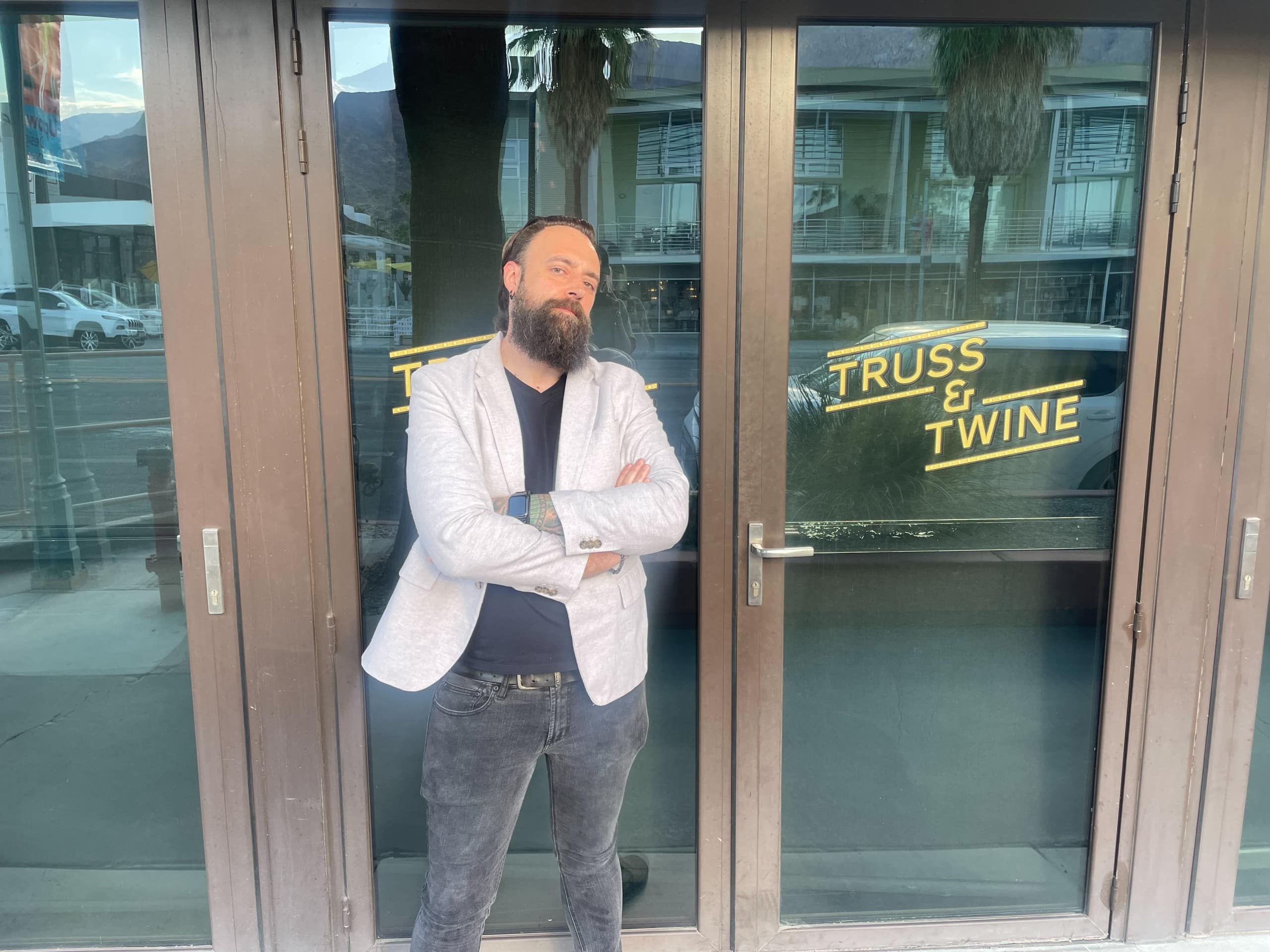
This was the strategy for Brandon Glass, bar manager at Truss and Twine, whose sales saw a 10% decline this summer. He took many proactive measures to attract more local business and lessen the impact on his employees.
In June, he boosted business with a successful “tiki month” featuring weekly specials, while a “breakfast for dinner” event helped counter a drop in July sales. He also introduced a happy hour from 6 p.m. to 8 p.m., for people who can’t get to an earlier happy hour at other restaurants.
He says that doing special events entices customers to come in and keeps the staff having fun during the summer.
“It’s a really great way of exploring creativity. It helps keep me sane,” laughs Glass. “Honestly, if I didn’t have that outlet, I would go crazy.”
Coachella impact
Across from the bookstore, Oscar’s manager Drew Fowler says his sales were also down 30% this summer, and he also got creative with ways to bring in customers.
Staff at Oscar’s opened a new Cuban restaurant to diversify their offerings and attract new business, continued hosting regular events like tea dances and drag brunches that remained popular, and launched a new Saturday night event called “The Bunker” to fill a gap left when the Barracks, a legendary LGBTQ bar in the area closed down.
Many business owners who spoke to The Post were concerned about the impact of climate change, with the extreme heat beginning early and lasting through September. Many business owners also emphasized the impact of festivals like Coachella and Stagecoach, which fill hotels with people who don’t stay and spend money in Palm Springs.
“Coachella really hurts Palm Springs businesses. I mean, it basically brings summer a full month earlier,” says Lacy. “I don’t think people can understand how terrible that’s been for businesses.”
Rios hopes the city will combat that by coming up with other summer events in the downtown area to bring more foot traffic to downtown streets. He emphasizes the importance of bringing these issues to the City Council to start a conversation about how hard it is in the summer and how we can combat that.
The city’s chief economic officer, Wayne Olson, says the city is working on solutions.
“Festival season is an exciting time for the region and for Palm Springs,” says Olson. “We want to help our local business capture that visitor dollar anytime someone comes to town.”
Olson mentioned the recently launched “Love Local” gift card program, in which the city contributed a 50% bonus, for a limited time, to the value of online gift card purchases to support local businesses. This program leveraged $150,000 of local spending in August and September and was among the top three most successful launches for the pilot program in the country.
“And now that we know the pilot was successful, we are hoping to run Love Local gift cards at various times throughout the year, including during festival season,” Olson says. “Love Local and establishing branded events is the first step in many strategies that we will need to develop as a community so we can all build towards a year-round, sustainable local economy.”
City efforts
In addition, Olson says the city piloted a $35,000 local grant program with The Caravanserai Project, which helps local businesses access capital and expand.
The city is also investing in the $400 million College of the Desert campus to develop hospitality and culinary skills and is working on a strategic plan to diversify the economy into sectors like tech, renewable energy, and arts and culture while continuing to support tourism and hospitality. In addition, the city is also investing a significant amount of money into the Palm Springs Convention Center to boost year-round convention activity.
To address climate change, the city is reviewing zoning codes to promote walkability and resilience to environmental impacts and developing a parks master plan focusing on climate change, including adding shade structures in local parks.
“Overall, we hope to have more growth as a local economy,” says Olson. “And you know, again, we’re going to see a change in the numbers from 2018, 2019, and 2020 because of the jump in Covid, both in TOT and in sales tax. So what we have to do is figure out what our baseline is post-Covid.
“And this isn’t just a local issue. This is a national issue as we look at how the economy restabilizes after the pandemic. It would be expected that we would have growth going forward. You know, most of the national figures indicate that the underlying economy is still strong, and so we hope that translates down to the local economy as well.”
Author

Related Articles

Palm Springs leads Coachella Valley in home sales as median prices dip to $1.13M
Palm Springs recorded 137 home sales in July, the highest volume in the valley, as single-family prices fell 5% and condo prices dropped 6%.
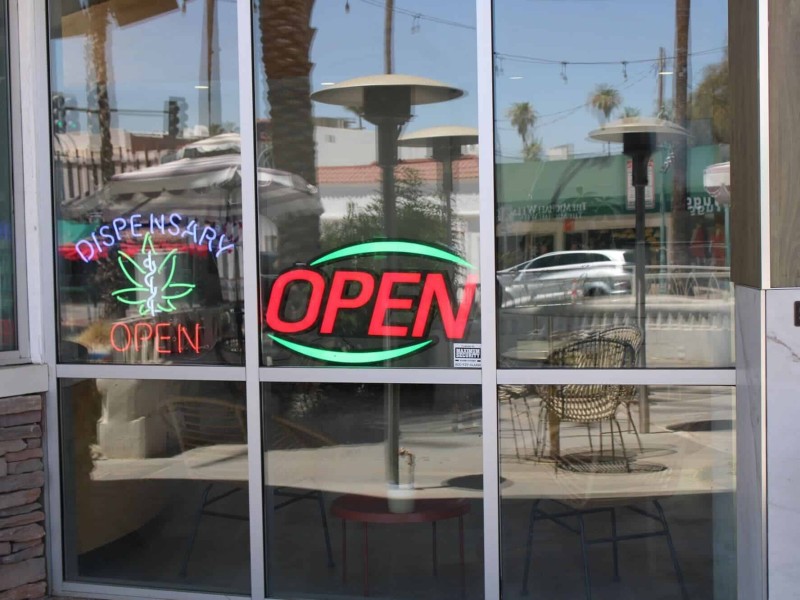
Palm Springs moves to let all cannabis lounges serve food, host entertainment and ticketed events
As the city’s cannabis tax revenue continues to decline., elected officials voted unanimously to advance rules allowing up to 24 ticketed events a year.
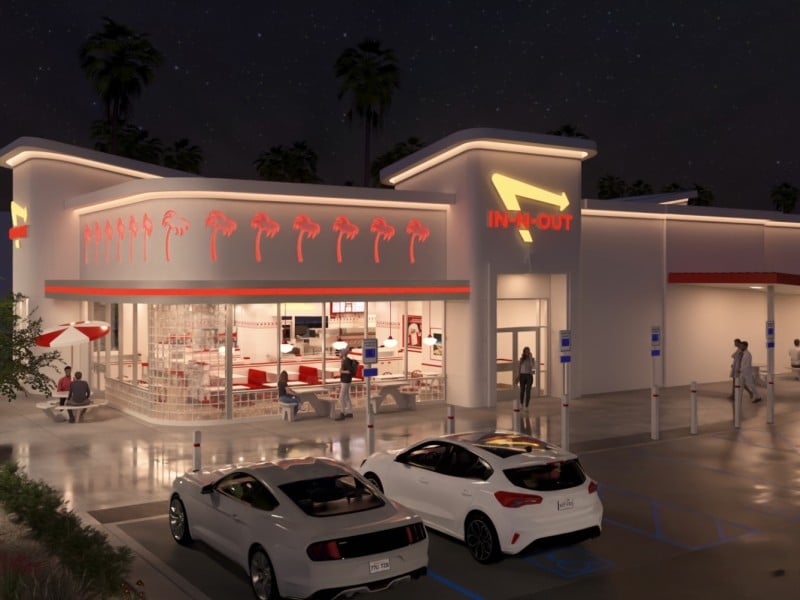
Palm Springs committee approves revised In-N-Out design, but wants one more look before final sign-off
Under pressure from state limits on project reviews, the committee conditionally approved designs for the restaurant planned for Smoke Tree Village along East Palm Canyon Drive.